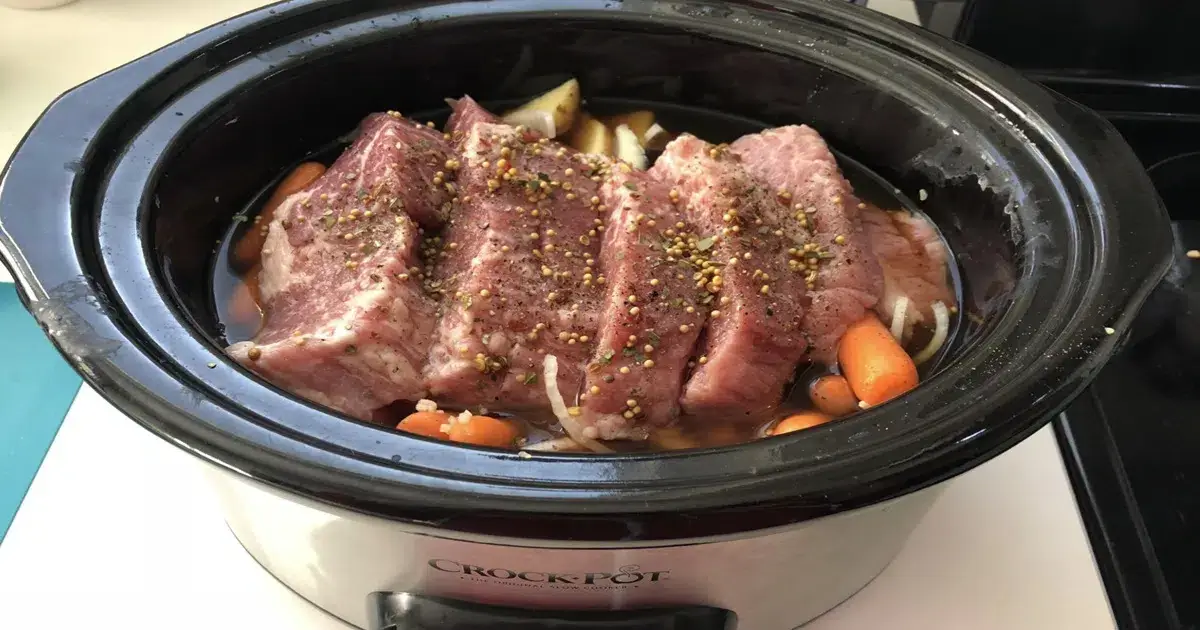
There’s something incredibly comforting about walking into a home filled with the warm aroma of a slow-cooked meal. A slow cooker quietly works its magic all day, wrapping your kitchen in rich, savory smells. For me, it all started when I moved into my first apartment. My mom handed me her well-loved Crock-Pot, and it quickly became my most-used kitchen appliance. Toss in the ingredients, set it to low, and eight hours later—dinner was ready.
It felt foolproof… until it wasn’t.
One evening, I decided to make a hearty beef stew. I added fresh herbs and crumbled bacon at the start, confident it would turn out flavorful and rich. Instead, I came home to a gray, slightly bitter, underwhelming mess. That’s when I learned an important lesson: not everything belongs in a slow cooker.
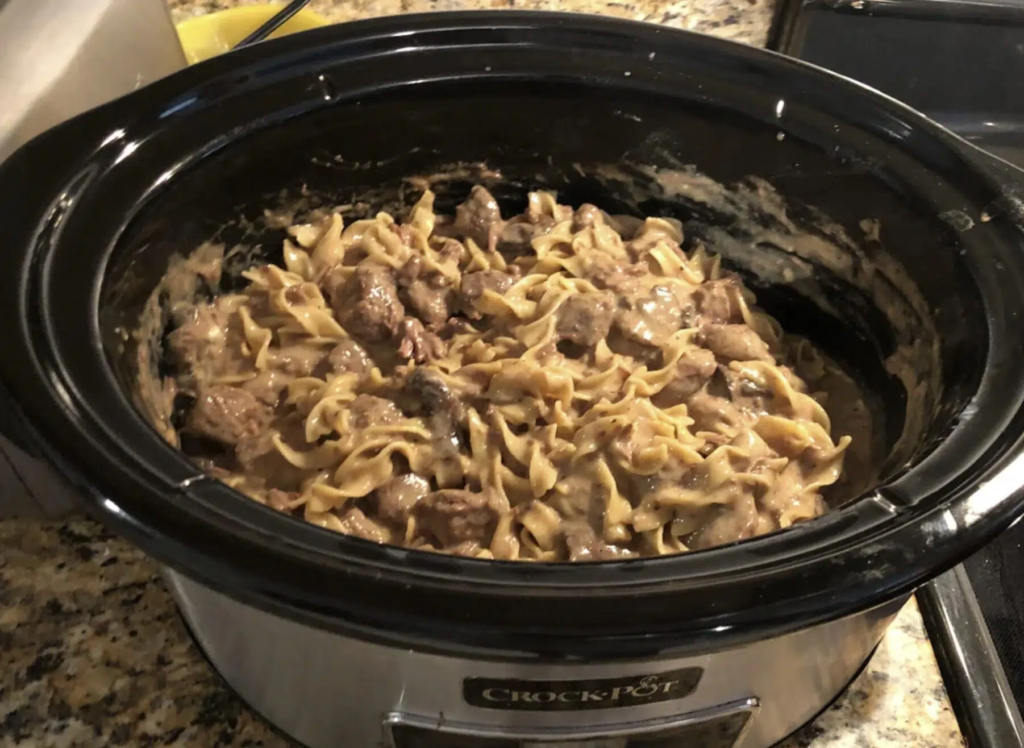
Here are 11 foods you should avoid putting in your slow cooker—and what to do instead.
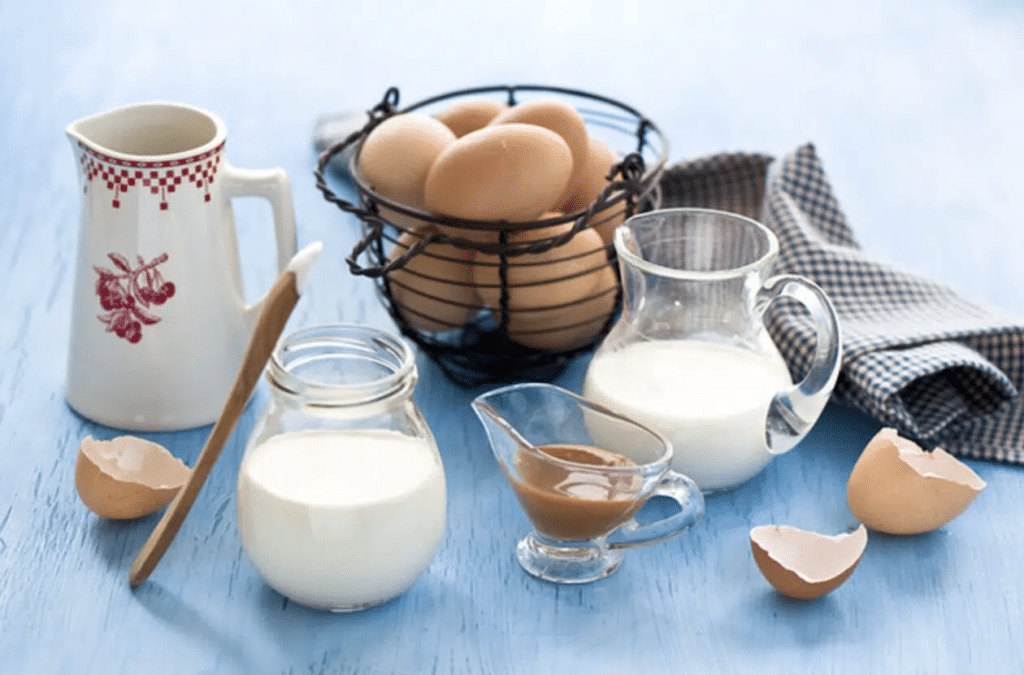
1. Dairy Products
Milk, cream, and cheese don’t hold up well during long cooking times. They tend to curdle and separate, leaving you with a watery texture and unpleasant consistency.
Better option: Add dairy during the final 30–60 minutes of cooking to maintain smoothness.
2. Seafood
Shrimp, scallops, and delicate fish cook very quickly. In a slow cooker, they often become rubbery and overdone.
Better option: Stir seafood in during the last hour of cooking—or cook it separately and add it at the end.
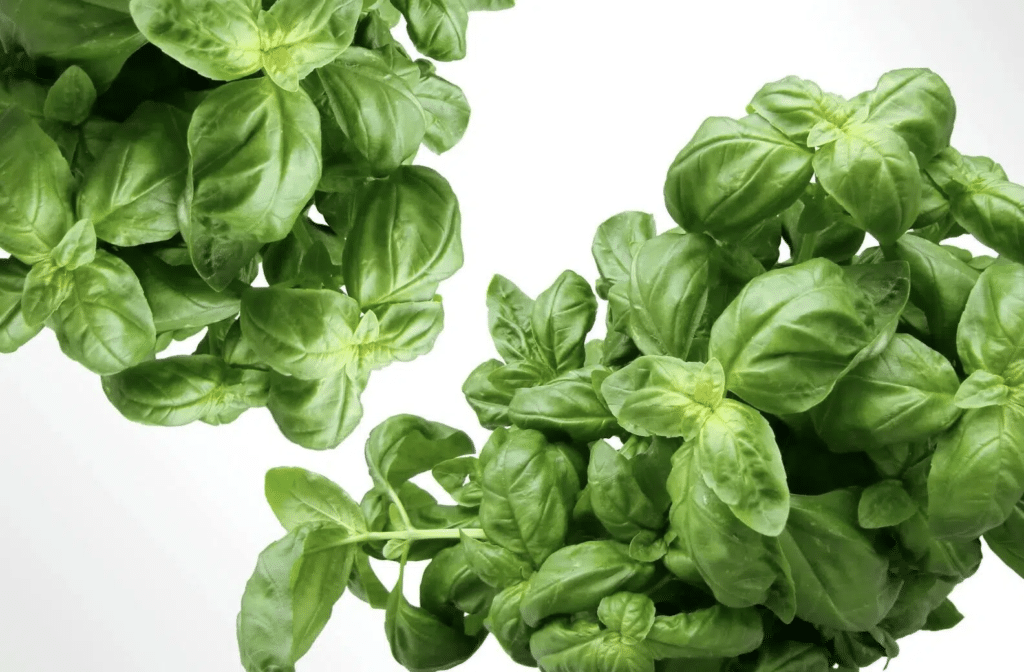
3. Fresh Herbs
Parsley, basil, and cilantro lose their bright flavor when cooked for hours. Instead of enhancing your dish, they can turn bitter.
Better option: Use dried herbs during slow cooking and sprinkle fresh herbs in right before serving.
4. Alcohol
Wine or beer can add depth to recipes—but slow cookers don’t allow alcohol to evaporate the way stovetop cooking does. The result? An overpowering alcohol taste.
Better option: Simmer alcohol on the stove first to cook off the harsh edge, then add it to your slow cooker.
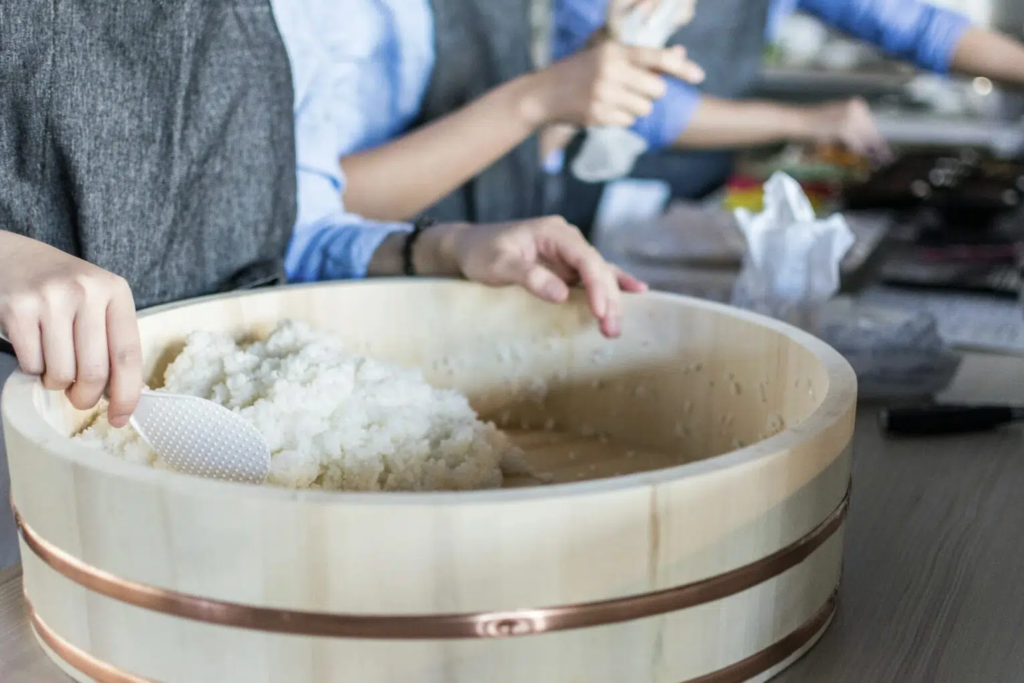
5. Rice
Rice absorbs liquid quickly and can stick to the bottom, turning mushy or burnt.
Better option: Cook rice separately and stir it in just before serving.
6. Pasta
Pasta doesn’t fare much better. After hours in a slow cooker, it becomes overly soft and clumps together.
Better option: Boil pasta separately and combine it with your slow-cooked dish at the end.
7. Leafy Greens
Spinach, kale, and arugula break down rapidly in low, prolonged heat. They lose texture and become watery.
Better option: Add leafy greens during the last 15–30 minutes of cooking.
8. Delicate Vegetables
Zucchini, bell peppers, and asparagus can turn mushy and bland after extended cooking.
Better option: Add these vegetables toward the final stage of cooking to preserve their texture.
9. Lean Meats
Chicken breast and pork loin often dry out in a slow cooker because they lack enough fat to stay tender during long cooking times.
Better option: Choose fattier cuts like beef chuck or pork shoulder. If using lean meats, add extra liquid or fat to help retain moisture.
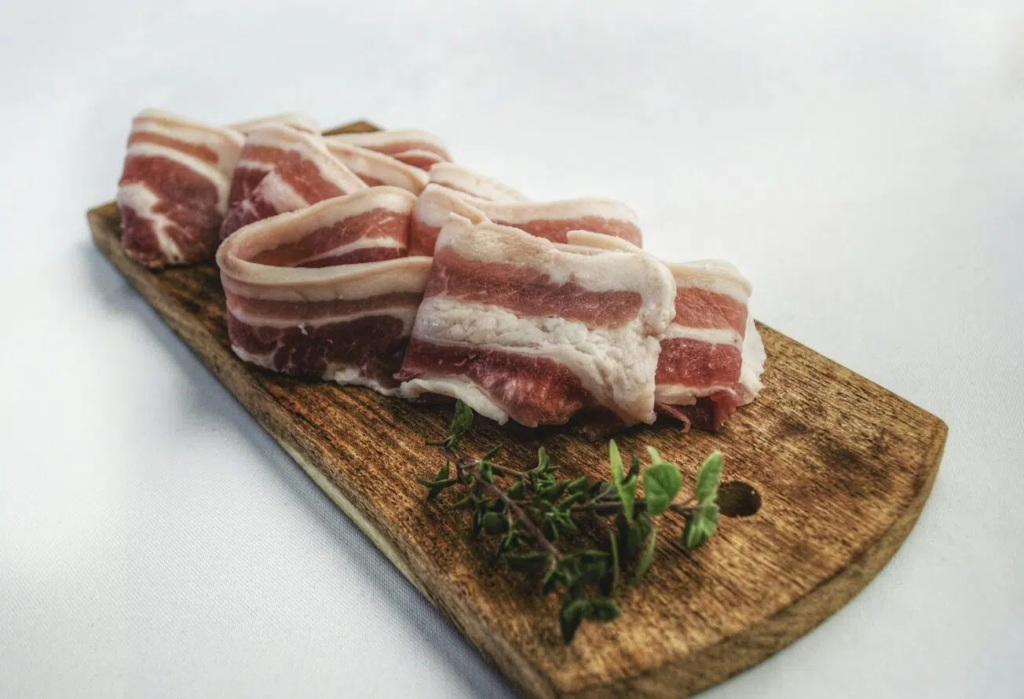
10. Bacon and Crispy Ingredients
While it may seem convenient to toss bacon into the slow cooker, it won’t stay crispy. The same goes for fried onions or crunchy toppings.
Better option: Cook crispy ingredients separately and add them right before serving.
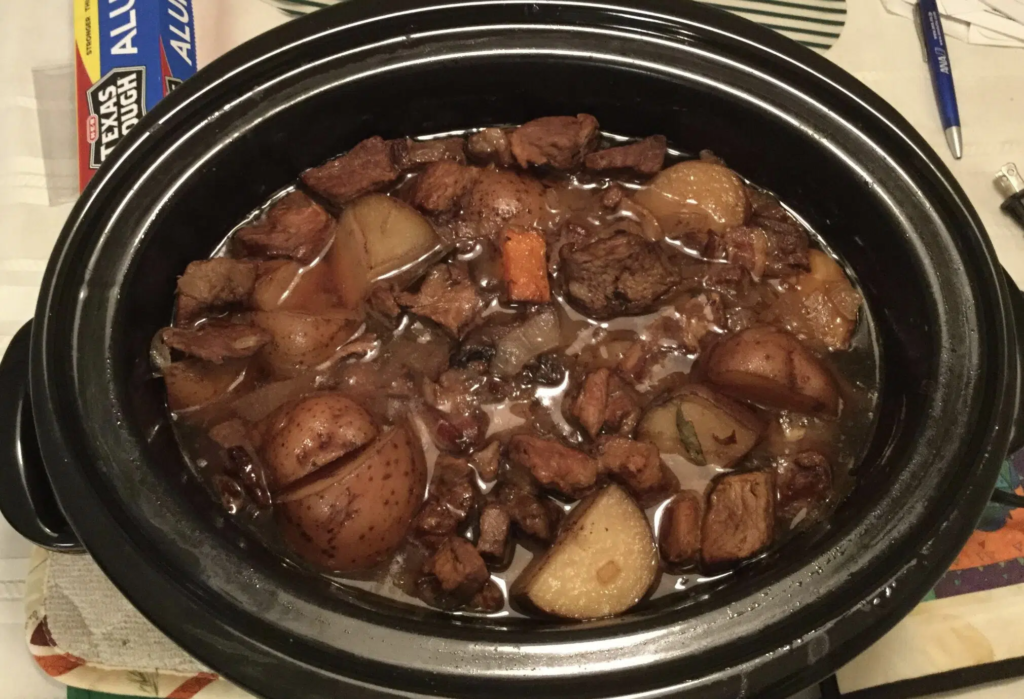
11. Too Much Liquid
Slow cookers trap moisture and create very little evaporation. Adding too much liquid at the beginning can leave you with a thin, watery dish.
Better option: Start with less liquid than you would on the stovetop—you can always add more later.
Final Thoughts
Slow cookers are fantastic for developing deep flavors and tender textures—especially with stews, soups, and tougher cuts of meat. But they’re not a one-size-fits-all solution.
When using a slow cooker, always think about whether your ingredients can handle long, gentle heat. Delicate foods are often better added at the end—or cooked separately altogether.
A little planning can mean the difference between a comforting, flavorful meal and a disappointing one. And once you understand what not to put in your slow cooker, you’ll get even better results from this kitchen favorite.

