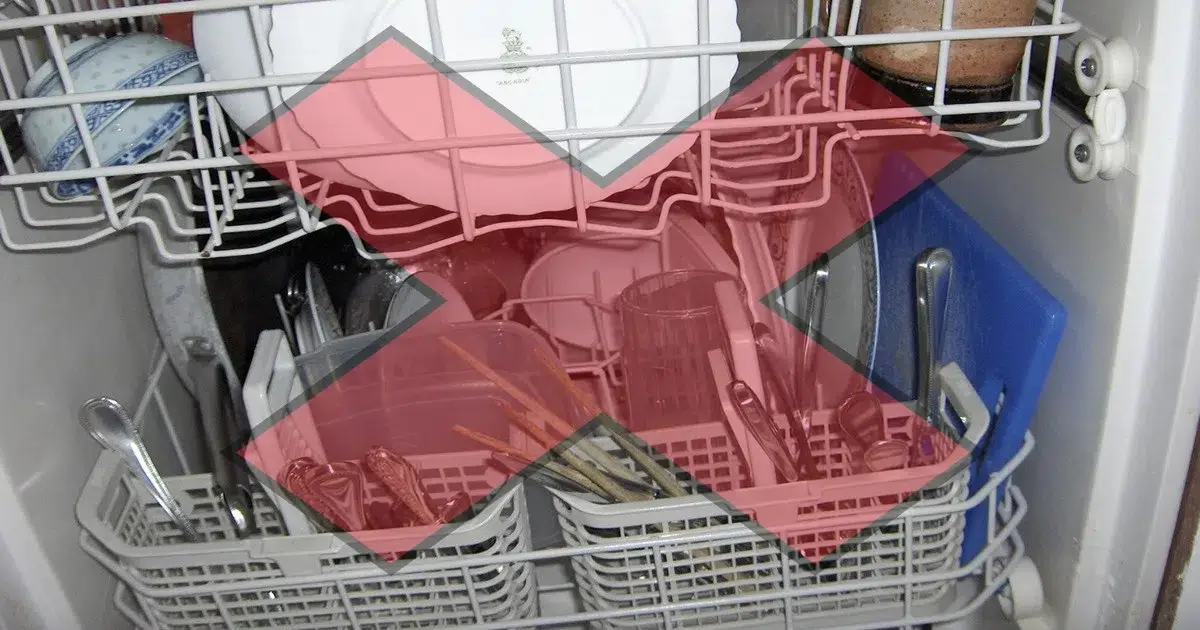
I’ve had my dependable dishwasher for years, and honestly, I can’t imagine running my kitchen without it. From dinner parties and family meals to casual get-togethers, it’s handled everything I’ve thrown at it. Just load it up, press a button, and enjoy sparkling clean dishes without the hassle.
But here’s the thing: even the most reliable dishwasher won’t last forever—especially if it’s not treated properly. And replacing one isn’t exactly cheap.
Over the years, I’ve made more than a few mistakes that could have shaved years off my dishwasher’s life. Some of them I didn’t even realize until problems started popping up. If you want your dishwasher to stay efficient and dependable, here are 15 common mistakes you’ll want to avoid.
1. Overloading the Machine
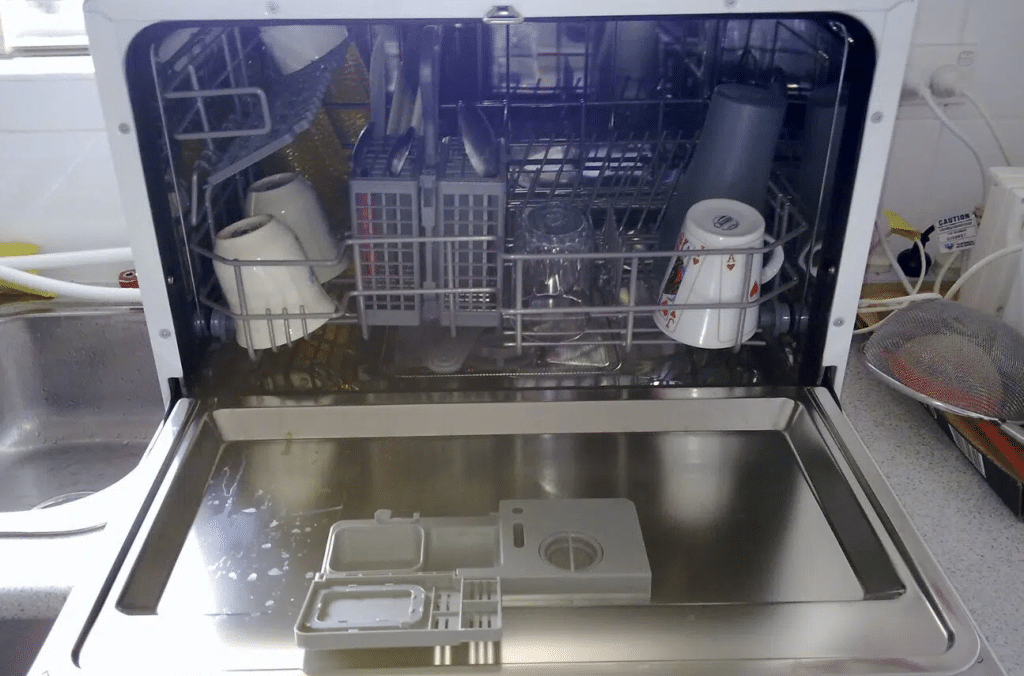
When I first got my dishwasher, I thought cramming in as many dishes as possible was efficient. Fewer loads meant saving time, right? Not quite. Overloading prevents proper cleaning and puts unnecessary strain on the motor. I learned this lesson after rewashing half a load by hand.
2. Pre-Rinsing Dishes Too Much
I used to rinse my dishes until they looked practically clean before loading them. Turns out, modern dishwashers are designed to detect food particles and adjust the wash cycle accordingly. When you pre-rinse excessively, you actually reduce cleaning effectiveness. Scrape gently, but let the dishwasher do its job.
3. Not Cleaning the Filter
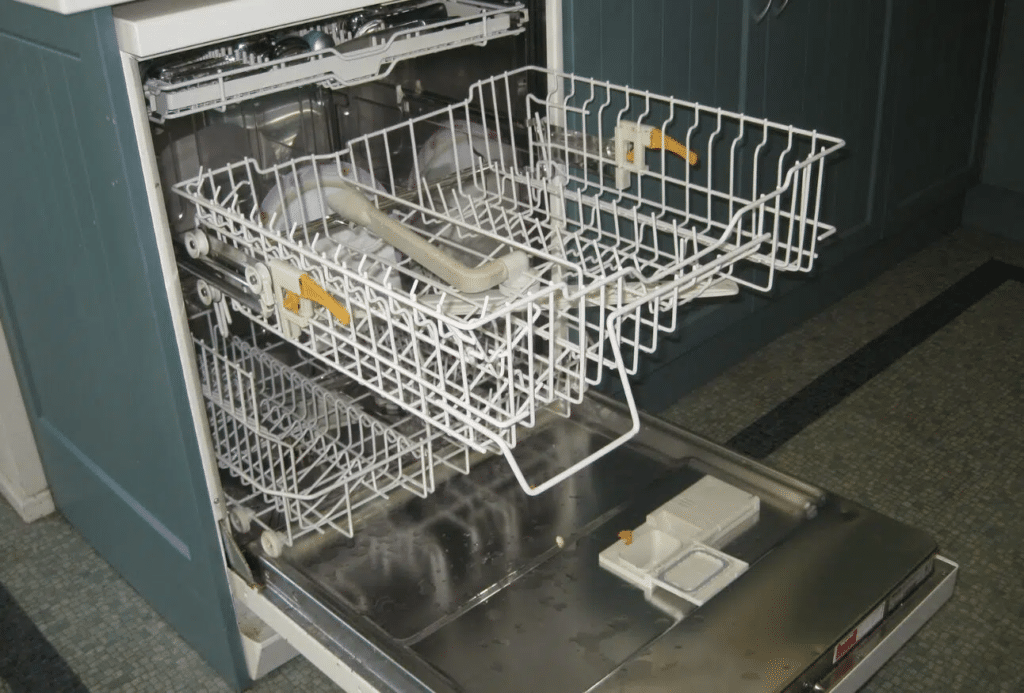
I didn’t even realize my dishwasher had a filter until it started leaving residue on my glasses. Regularly cleaning the filter prevents buildup, improves performance, and keeps everything running smoothly. It’s a simple task that makes a big difference.
4. Ignoring the Spray Arms
The spray arms are responsible for distributing water throughout the machine. If they’re clogged with debris, cleaning power drops dramatically. Now, I check and clean them every few months to keep everything flowing properly.
5. Using the Wrong Detergent
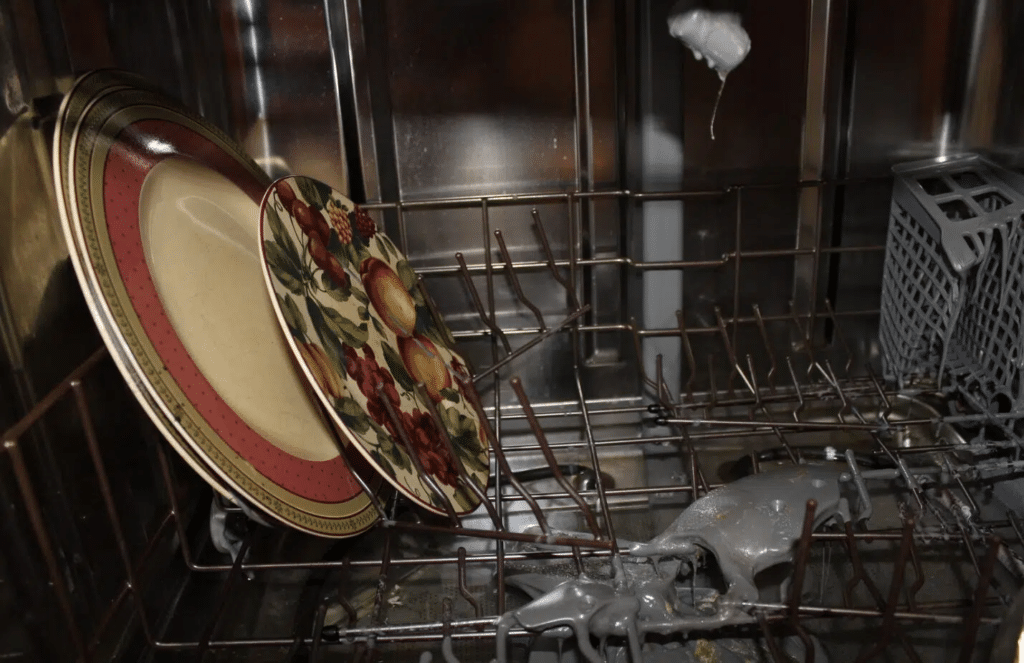
Grabbing whichever detergent was on sale seemed harmless at the time. But some formulas can be too harsh and damage the interior of your dishwasher. Stick to manufacturer-recommended products to protect your appliance.
6. Loading Dishes Improperly
Pointing knives upward (dangerous!), placing bowls upside down incorrectly, or blocking spray arms with large pans can cause problems. Proper loading ensures every item gets cleaned efficiently without damaging the dishwasher—or your dishes.
7. Ignoring Hard Water Issues
Hard water can cause limescale buildup inside your dishwasher, reducing efficiency and shortening its lifespan. Installing a water softener can protect not only your dishwasher but other appliances as well.
8. Neglecting Door Seals
The rubber seals around the door prevent leaks during wash cycles. Food particles and grime can accumulate over time, leading to leaks or malfunctions. A quick wipe-down every so often helps maintain a tight seal.
9. Not Using It Regularly
Surprisingly, leaving your dishwasher unused for long periods can cause issues. Regular operation keeps the motor and hoses in good condition. Even if it’s not full, try to run it at least once a week.
10. Using Harsh Household Chemicals
Once, I poured a general household cleaner inside, thinking I was giving it a deep clean. Big mistake. Some chemicals can corrode internal components. Only use products specifically designed for dishwashers.
11. Running It Half Empty Too Often
Running half loads wastes water and energy—and increases wear and tear because you’re cycling the machine more frequently. Wait until you have a full (but not overloaded) load before starting it.
12. Ignoring Strange Noises
If your dishwasher starts making unusual sounds, don’t ignore them. Odd noises can signal a loose part or mechanical issue. Addressing problems early can prevent costly repairs later.
13. Skipping Professional Maintenance
Just like any major appliance, dishwashers benefit from routine check-ups. Scheduling a yearly maintenance visit can catch small issues before they turn into major repairs.
14. Not Ensuring It’s Level
A dishwasher that isn’t perfectly level may not drain properly. I didn’t realize how important this was until I experienced drainage problems. Adjusting the legs to level the unit can prevent unnecessary complications.
15. Scraping Dishes Too Aggressively
In my eagerness to remove food scraps, I sometimes scratched and damaged dishes before loading them. Gentle scraping is all you need—no need to overdo it.
Taking proper care of your dishwasher doesn’t require much extra effort, but it makes a huge difference. With just a little maintenance and mindful use, you can extend its lifespan, improve performance, and avoid expensive replacements.
Your dishwasher works hard every day—show it a little care, and it’ll keep your kitchen running smoothly for years to come.

