Heart disease is still one of the biggest health threats worldwide, and a heart attack often doesn’t come “out of the blue.”
In the days, weeks, or even months beforehand, many people notice subtle changes in how they feel. These early symptoms are sometimes called prodromal symptoms, and they can be easy to dismiss as stress, lack of sleep, or getting run down.
Here are 5 important warning signs to take seriously, plus one bonus sign that’s surprisingly common—especially in women.
1) Unusual, Persistent Fatigue
This isn’t your normal “busy day” tired. It’s a heavy, unusual exhaustion that feels out of proportion to what you’ve been doing.
Some people describe it as suddenly having no energy for everyday tasks, even after rest. In some cases, this can happen when the heart isn’t getting enough oxygen-rich blood, forcing the body to work harder.
2) Shortness of Breath
If you get winded doing light activity—or feel breathless while resting—don’t ignore it.
Shortness of breath can happen when the heart isn’t pumping efficiently, and the body isn’t getting the oxygen it needs. It can also be linked to other serious heart problems, including heart failure, so it’s worth getting checked quickly.
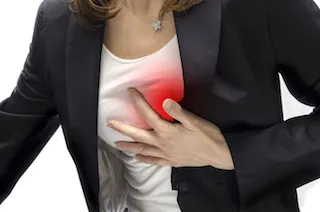
3) Chest Pressure, Tightness, or Discomfort
Chest discomfort is the classic warning sign, but it doesn’t always feel like sharp pain.
Many people describe it as pressure, squeezing, heaviness, fullness, or burning. It may come and go, or it may build over time. The discomfort can also spread to the arm, shoulder, back, neck, or jaw.
If chest pressure is new, intense, or persistent—treat it as an emergency.
4) Dizziness, Lightheadedness, or Cold Sweats
Feeling faint, suddenly dizzy, or breaking out into a cold sweat (especially without heat or exertion) can be a red flag.
These symptoms may happen when circulation is compromised and the brain isn’t getting enough blood flow. While there are other possible causes, this combination—especially with chest discomfort or breathlessness—should be taken seriously.
5) Swelling in the Feet, Ankles, or Legs
Swelling (edema) in the lower body can be a sign the heart isn’t pumping effectively, causing fluid to back up.
On its own, swelling doesn’t mean a heart attack is about to happen—but it can signal underlying heart strain or congestive heart failure, which increases overall risk and deserves medical evaluation.
Bonus Sign: Nausea, Stomach Discomfort, or Flu-Like Feelings
Some people—especially women—report nausea, vomiting, indigestion-like discomfort, or a “coming down with something” feeling shortly before a heart attack.
Because it can mimic a virus or digestive problem, it’s easy to ignore. But if it shows up with other symptoms like fatigue, breathlessness, dizziness, or chest pressure, it’s a strong reason to seek help right away.
When to Get Emergency Help
Call emergency services immediately if you notice chest pressure/tightness, shortness of breath, fainting, sudden cold sweats, or symptoms that feel severe, new, or “not normal for you.”
Quick treatment can save heart muscle—and save a life.
Important Note
This article is for educational purposes and isn’t a diagnosis. If you have symptoms that worry you, it’s always safest to speak with a healthcare professional or seek urgent care.

