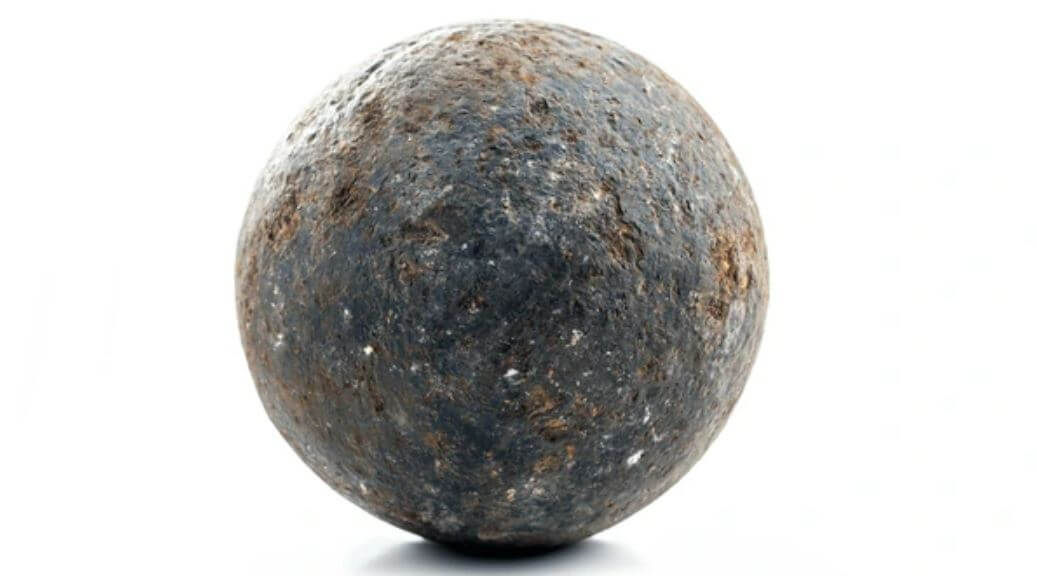
Have you ever visited a history museum—or maybe a battlefield site—on a school trip where the teacher handed around something heavy, like a cannonball, just so everyone could feel the weight of history in their own hands?
Moments like that stick with you. They make the past feel real. Not like a chapter in a textbook, but like something physical—something that once flew through the air with a terrifying purpose. Experiences like these spark curiosity and offer a clear reminder that the events that shaped a nation weren’t abstract. They happened in real places, to real people, with real objects that still exist today.
Cannonballs—those large iron spheres fired from cannons—are some of the most recognizable artifacts of early warfare. Simple in design but brutally effective, they were used across centuries, from medieval conflicts through the 19th century. Some were solid iron, others hollow. All were built for impact.
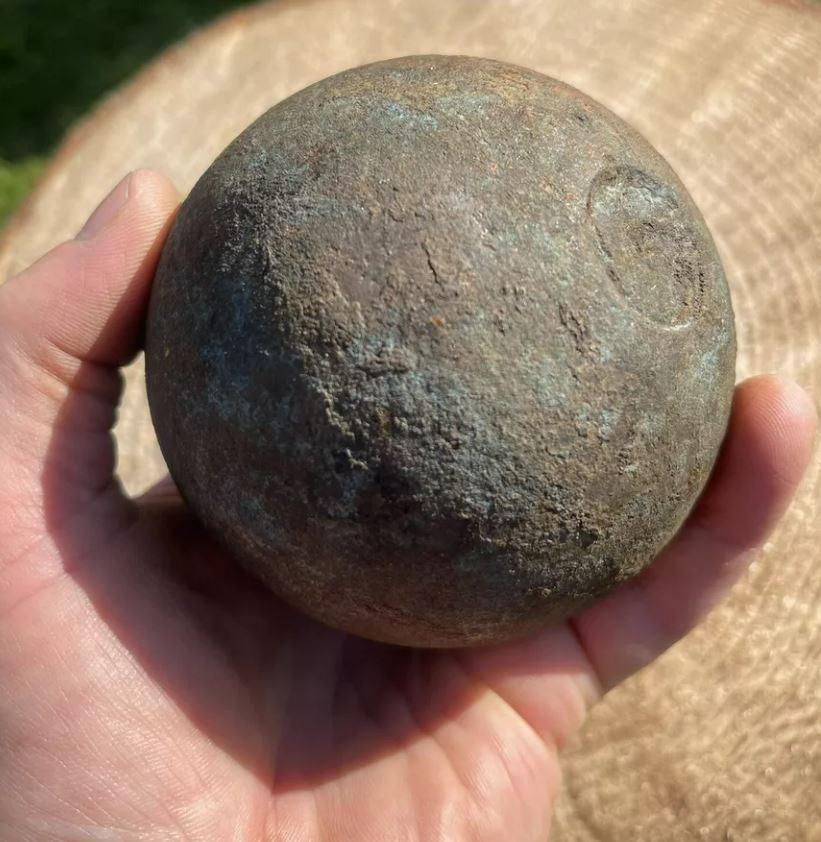
These round projectiles could smash into fortress walls, scatter groups of soldiers, and tear through the wooden sides of ships. They weren’t elegant weapons, but they were powerful—and their widespread use tells us a lot about how battles were fought long before modern technology changed everything.
Cannonballs also offer a surprisingly rich window into military history and engineering. Each one recovered, displayed, or preserved today carries a quiet story—of conflict, of evolving tactics, and of the constant push to improve firepower. They weren’t simply “ammo.” They were tools that influenced major battles and helped decide outcomes that altered borders, leadership, and the course of history.
For antique lovers and historical collectors, finding an old cannonball can feel like uncovering a small piece of a much bigger narrative. People value these objects not just for their age, but for what they represent. The rust, dents, and wear can look like fingerprints from another era—evidence that this was once part of something enormous and dangerous.
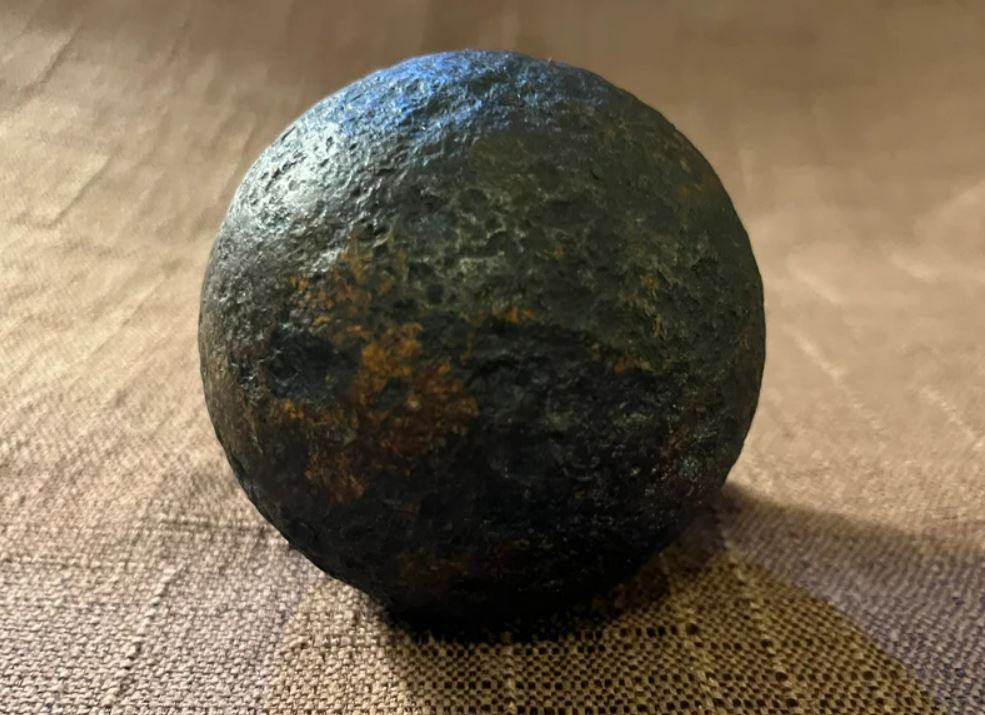
That said, there’s a serious note that comes with collecting artifacts like these. Some older cannonballs may still contain unexploded material, and mishandling them can be risky. It’s a reminder that these aren’t just decorative relics—they were created for war, and in rare cases, they can still carry hazards from that purpose.
When you really think about what a cannonball represents, it’s a strange blend of human ingenuity and human violence. It reflects how capable people are of both building and destroying—sometimes at the same time. And now, displayed in museums or kept as historical pieces, cannonballs become something different: conversation starters, teaching tools, and objects that pull us into deeper reflection about the past.
Whether you see cannonballs as valuable collectibles or simply as remnants of an earlier world, they encourage us to look backward with intention. They remind us of the victories and losses, the struggles and turning points, and the people who lived through them.
Most of all, they push us to protect and preserve history—so future generations can understand it, question it, and feel that same moment of connection when they hold something heavy and realize: this is what history looked like in someone’s hands.

