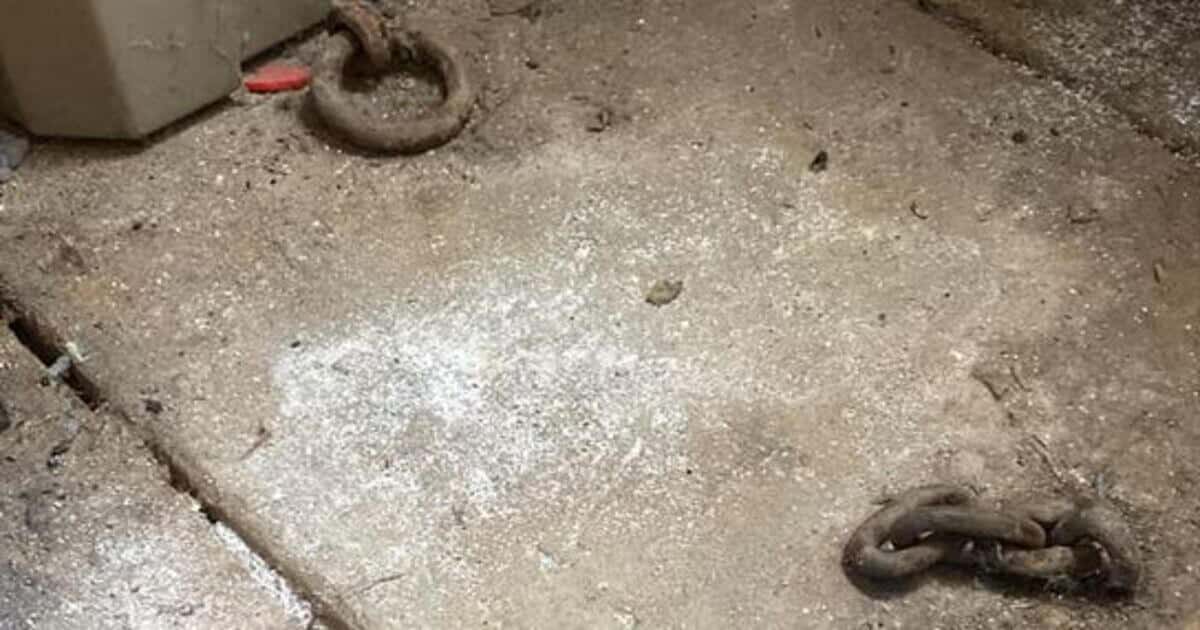
Old houses have a way of keeping secrets—tucked into floorboards, sealed behind plaster, buried under layers of renovations. And every so often, someone poking around a basement or pulling up old flooring stumbles onto one of the coolest surprises of all: a cistern.
Hidden cisterns are like time capsules of everyday life. They’re a reminder that long before faucets and water heaters, people still needed a dependable way to collect, store, and manage water—and they built clever systems right into their homes to make that possible.
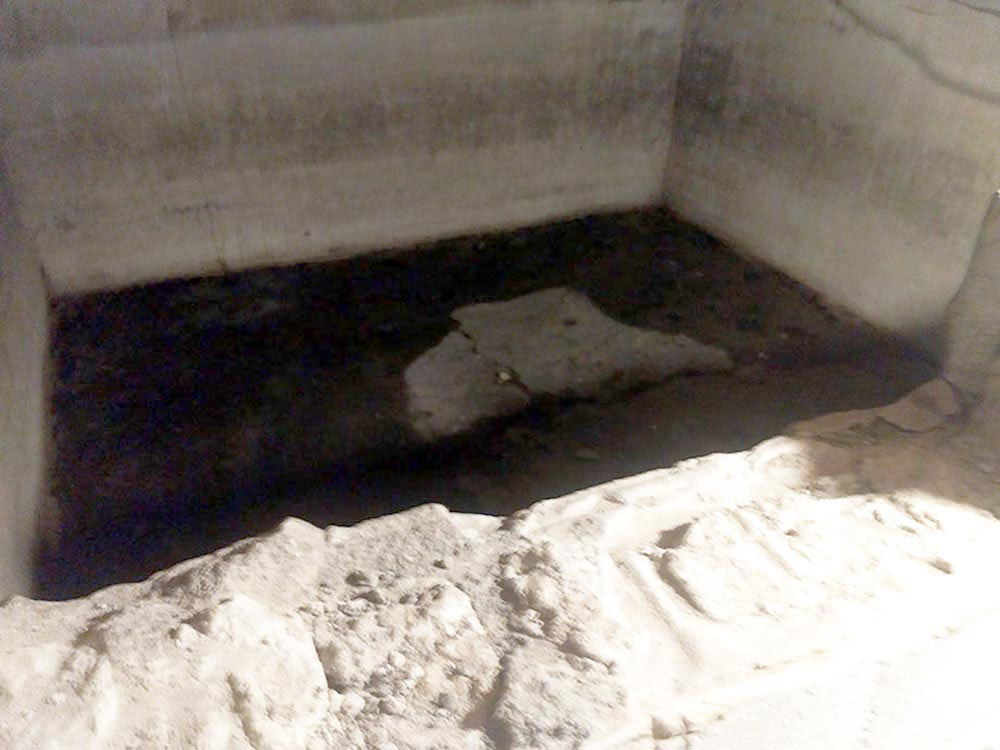
Before Plumbing: Why Hidden Cisterns Existed
Before modern plumbing became standard, households had to gather and store water using whatever resources they had nearby. That’s where water cisterns came in.
These were reservoirs designed to hold a steady supply of water—often rainwater or spring-fed water—so a family wasn’t completely at the mercy of drought, distance, or inconsistent access to wells.
Builders commonly tucked these cisterns out of sight:
- beneath floors
- inside basements
- built into walls or underground spaces
They weren’t meant to be decorative or obvious. They were functional infrastructure—quietly doing their job, day after day.
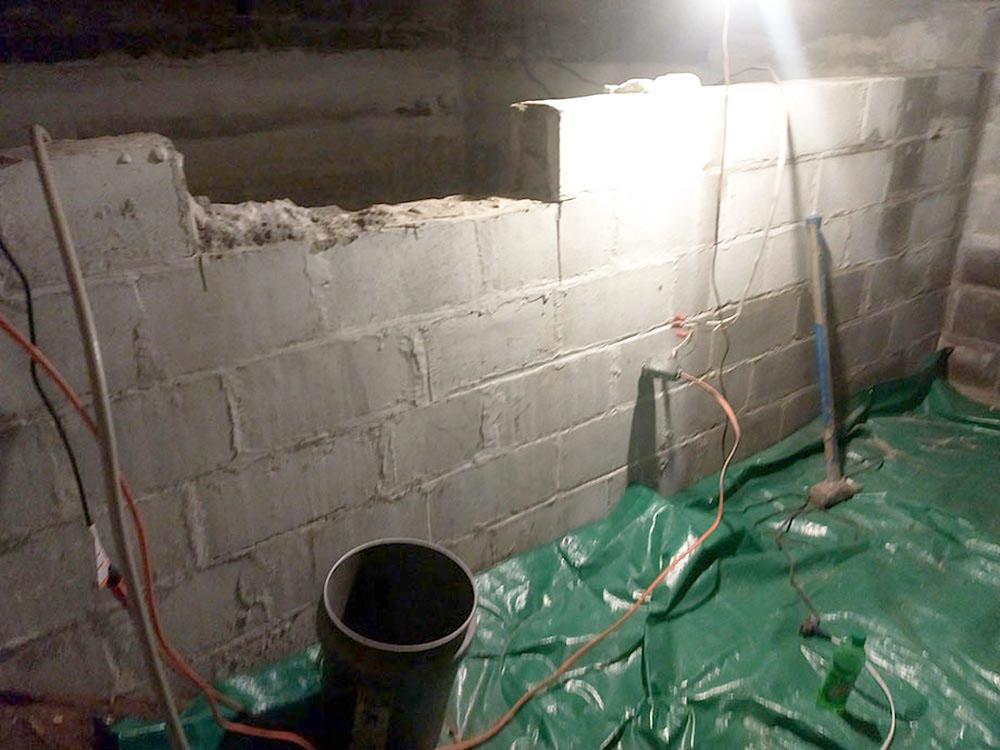
What They Were Used For
A hidden cistern typically served one main purpose: reliable water storage.
Depending on the time period and location, that stored water could be used for:
- drinking and cooking
- bathing
- laundry and cleaning
- other daily household needs
In areas where rainfall was unpredictable—or where fresh water sources weren’t conveniently accessible—cisterns weren’t just useful. They were essential. They helped households stretch their water supply and remain more independent, even during rough seasons.
The Clues Right Beneath Your Feet
Discovering a cistern in an old home can feel like stumbling into a private little mystery left by the past. For many homeowners, the “find” isn’t obvious at first—you notice strange hints, and only later realize they may be pointing to something hidden underneath.
Some common clues people report include:
- odd patches or irregularities in flooring
- unusual paint splatters or patterns that don’t match the rest of the space
- decorative tiles that seem random or out of place
- slight shifts in wall placement that feel “off”
- a section of basement or floor that sounds hollow
It can feel like a treasure hunt—except the treasure is a piece of the home’s original survival system.
Restoring a Cistern: A Labor of Love (and Caution)
For the lucky few who uncover a buried cistern, preserving it can become a meaningful way to honor the home’s history. Restoring an old water reservoir isn’t just about keeping something old—it’s about reconnecting with how the house once functioned.
Some people even adapt cisterns for modern, practical use, such as:
- rainwater harvesting for landscaping
- using collected water for non-potable needs (like flushing toilets)
But restoration isn’t a casual DIY project. Because cisterns involve water, weight, and structural integration, changes can affect both safety and legality.
If you ever find one, the best approach is careful and respectful:
- consult historic preservation professionals when appropriate
- understand any local regulations that may apply
- consider structural implications before altering or removing anything
Why This “Mystery” Feels So Mind-Blowing
Because it’s easy to forget how recently everyday conveniences became normal.
A hidden cistern is proof that people were solving the same basic problems we solve today—clean water, storage, reliability—just with different tools and smarter use of the environment. And the wild part is that many of these systems are still sitting under old homes right now, quietly waiting to be rediscovered.
So if you live in an older house and something about the basement or flooring feels… oddly constructed?
You might not be imagining it. You could be standing right above a piece of history.

