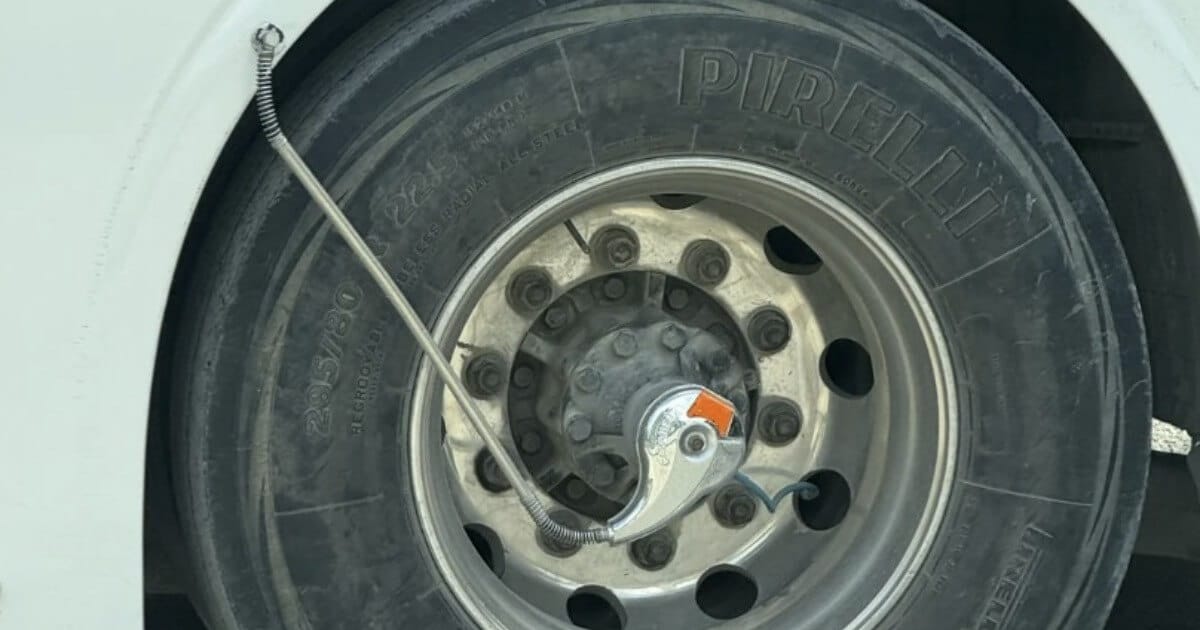
I was at a rest stop off I-40, sipping truly awful gas-station coffee, when I noticed a big tour bus parked outside. After a quick chat with the driver (who was taking a smoke break next to it), I realized I’d seen that same bus before.
No big deal—until I spotted a strange little tube/cable coming out near the wheel.
My first thought? Some kind of anti-theft device.
It wasn’t.
That small line was part of something far more practical: a Central Tire Inflation System—often shortened to CTIS.
I’d never paid much attention to tire pressure beyond the occasional dashboard warning light. But once I started digging, I learned this quiet little system has been keeping military trucks, off-road rigs, and even buses running smoother (and safer) for years.
What Is a Central Tire Inflation System?
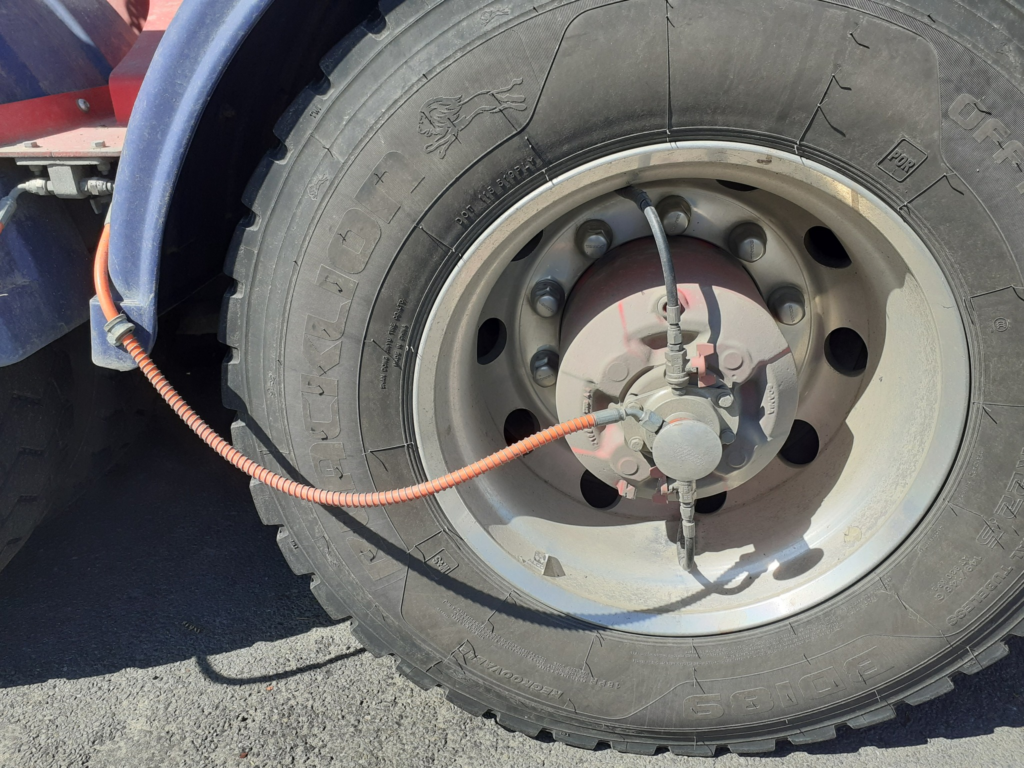
A Central Tire Inflation System (CTIS) lets a driver monitor and adjust tire pressure while the vehicle is moving.
Instead of stopping to check pressure manually, the system connects to each wheel through a swiveling fitting—the kind of small hose/cable you sometimes see attached near the hub. CTIS uses an onboard air supply (typically a compressor and air lines) to inflate or deflate tires as needed.
The whole point is simple: the vehicle can maintain the right tire pressure for changing conditions—terrain, load, and temperature—without pulling over.
No foot pumps. No guesswork. No unnecessary stops.
Military Roots and How CTIS Went Mainstream
CTIS has strong military origins. Early versions began showing up around World War II, when vehicles needed better traction across constantly changing ground without stopping to air down tires by hand.
Those early concepts were often clunky and more manual, but the need never went away.
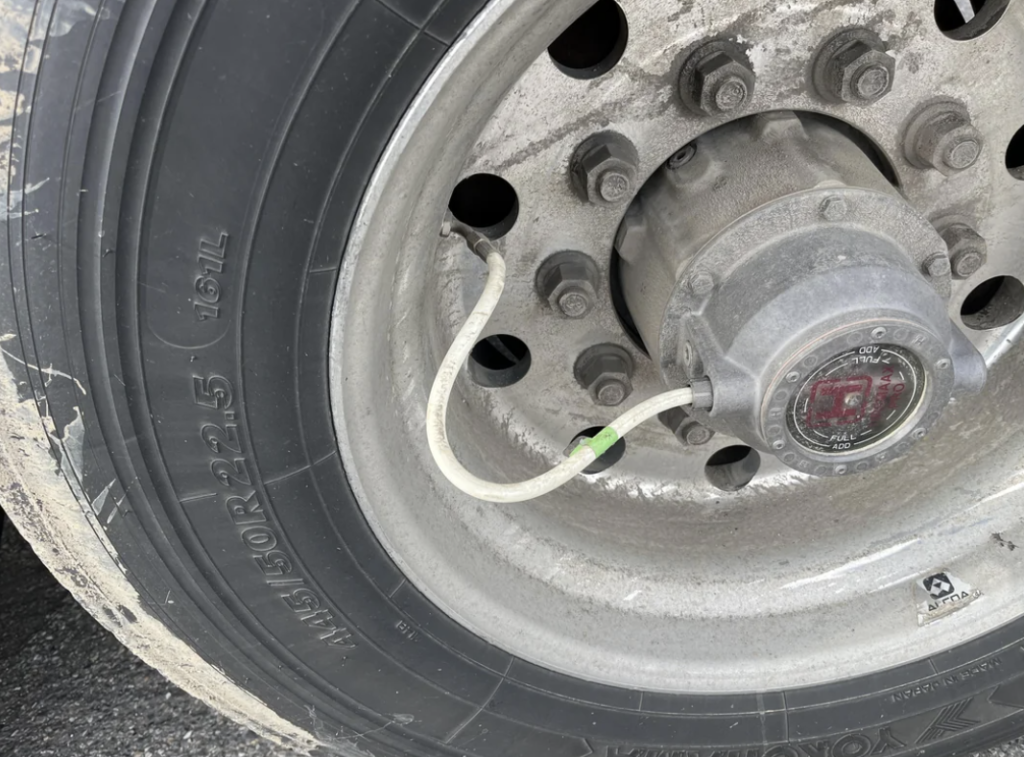
By the 1980s, systems were being used on certain U.S. military vehicles (including platforms like the Humvee). A key breakthrough involved solving the “how do you move air into a tire that’s spinning?” problem—using rotary unions that allow air to pass through rotating components without twisting or tearing the line.
That advancement helped pave the way for wider adoption.
By the 1990s, CTIS started appearing across commercial fleets—especially on vehicles where conditions change fast and downtime is expensive: logging trucks, farm equipment, mining vehicles, and eventually over-the-road trucks and intercity buses.
Why CTIS Matters
CTIS isn’t just a fancy feature—it has real, everyday benefits, especially for heavy-duty vehicles.
It can improve:
Traction
Lower pressure can increase grip on softer surfaces; higher pressure is better for pavement and stability.
Tire life
Keeping tires in the correct range helps reduce uneven wear and lowers the odds of damage caused by over- or under-inflation.
Safety
Better pressure management can reduce blowout risk and improve handling, especially under heavy loads.
Fuel efficiency
Correct pressure reduces rolling resistance, which can improve mileage on long routes.
Uptime
Fewer tire-related stops and issues means more time moving and less time stranded.
What CTIS Looks Like in Real Life
Most people never notice CTIS until someone points it out.
The most visible clue is usually a small hose or cable running to the wheel hub. That line connects into a hub assembly with a rotary union so air can flow while the wheel spins.
Some setups also have pressure indicators—sometimes a small colored marker that becomes visible when tire pressure drops below a safe threshold. Once you know what you’re looking for, you start spotting these systems everywhere: dump trucks, transit buses, heavy rigs, and specialty off-road vehicles.
Why CTIS Isn’t on Every Car
If CTIS is so useful, why doesn’t everyone have it?
Because it adds cost and complexity, and most passenger cars don’t face the same conditions. CTIS shines where:
- loads are heavy
- routes are long
- terrain varies
- downtime is expensive
- tire failures are especially dangerous
That’s why CTIS is common in military, off-road, and commercial fleet use, but rare in everyday vehicles. (Some high-end off-road builds are starting to adopt similar systems, but it’s still not mainstream for regular cars.)
Final Thoughts
I still find it funny that a tiny “mystery cable” on a bus wheel sent me down a whole rabbit hole. But CTIS is exactly the kind of invention that operates quietly in the background—saving money, improving safety, and keeping big vehicles rolling without drama.
Next time you’re near a bus or heavy truck, take a quick look at the wheels. If you see a small hose or line near the hub, there’s a good chance a Central Tire Inflation System is working behind the scenes—one perfectly managed tire at a time.

