
The first time I came across one of these old servant call systems was during a tour of a restored Victorian mansion. You know the kind of place—velvet ropes, polished wood everywhere, and rooms so formal they make you instinctively lower your voice. Tucked away in a corner of the kitchen, beside an almost absurdly gleaming row of copper pots, was this wonderfully strange little board covered in room names and tiny hanging flags.
The tour guide called it a servant indicator board.
I immediately thought of it as a very elegant version of old-school texting.
And honestly, that is exactly what it was. Seeing one of these antique servant call mechanisms is like discovering a clever piece of technology from another world.
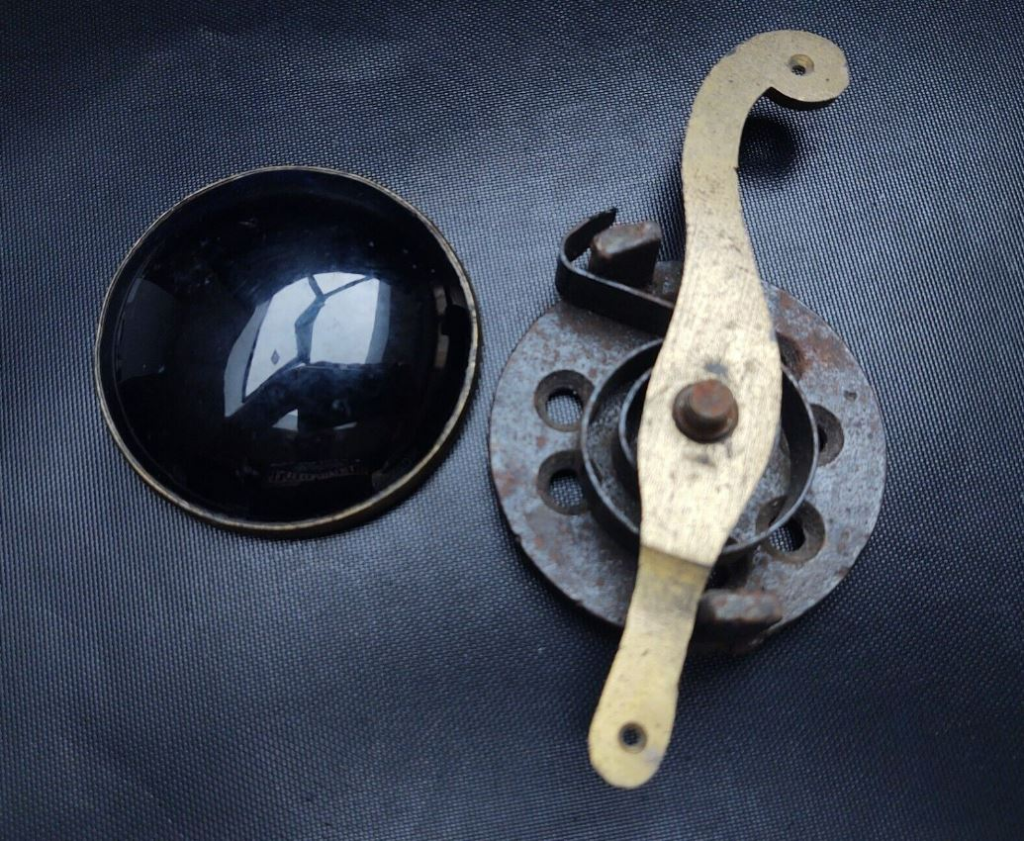
A Smart Communication System Before Phones Ever Existed
Back in the 18th and 19th centuries, long before telephones, intercoms, or text messages, large homes needed some reliable way for the people upstairs to communicate with the staff downstairs.
These houses were enormous. If someone was relaxing in the drawing room and wanted tea, they were not about to lean over a banister and shout. That would have been considered terribly improper. So instead, homes were fitted with servant call systems.
Usually, cords or bell pulls were installed in different rooms throughout the house, often running through walls or hidden behind decorative finishes. When someone pulled one, it would trigger a bell somewhere in the servants’ area or cause a flag to pop up on an indicator board.
That way, staff could immediately see which room needed attention.
No yelling. No confusion. Just a mechanical signal and a quiet response.
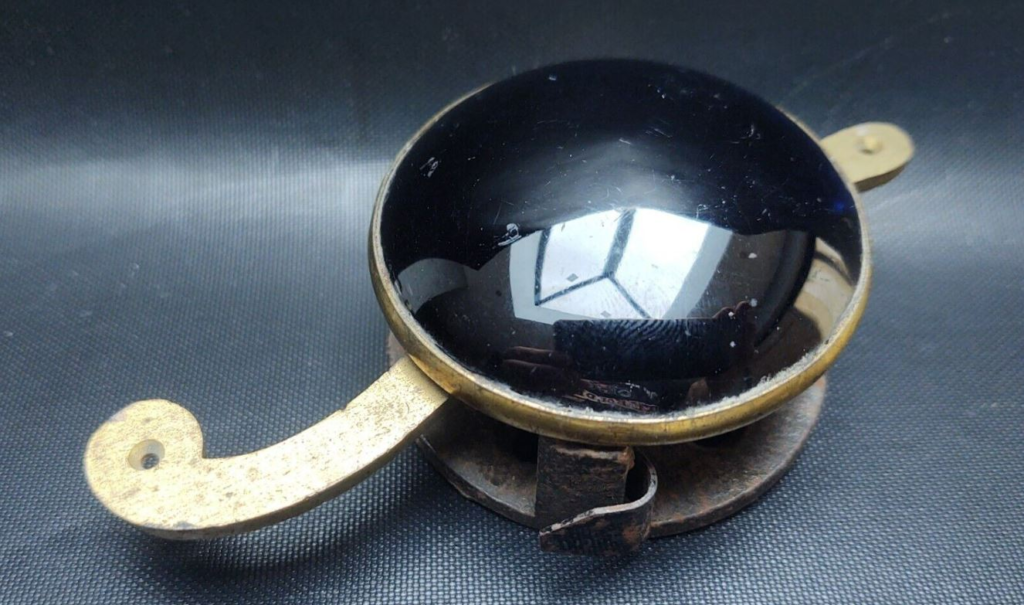
Practical, But Surprisingly Beautiful
What makes these systems even more fascinating is that they were not treated as purely functional objects. The bell pulls themselves were often beautifully made.
Some were crafted from braided silk. Others looked like decorative cords with polished brass handles. Rather than standing out awkwardly, they were designed to blend into the room’s decor, sometimes matching curtains, wallpaper, or other soft furnishings.
The indicator boards had their own charm too. They were usually arranged in neat rows, each labeled with a room name like Library, Dining Room, or Master Bedroom. When a call came through, a tiny flag would flip up or a bell would ring.
There is something oddly satisfying about imagining that small mechanical movement—simple, precise, and effective.
A System That Reflected the Social Order
Of course, these call mechanisms were about more than convenience. They also reflected the strict class structure of the time.
The grand rooms upstairs belonged to the family and their guests. The working spaces downstairs belonged to the staff who kept the house running, often quietly and out of sight. Every ring of the bell reinforced that arrangement.
It was a constant reminder of who was being served and who was expected to respond.
That is part of what makes these systems so interesting now. They are not just household gadgets from the past. They are physical evidence of how society was organized and how daily life operated inside those grand homes.
Why They Still Fascinate People Today
These days, servant call systems usually show up in museums, historic estates, and preserved country houses. Occasionally, you will find one in a home that has been restored with a sense of humor or a real appreciation for period details.
Some old country homes still keep them in working order, sometimes more for fun than necessity. Still, there is something undeniably charming about a system that required someone to physically pull a cord to summon help.
It feels so different from modern communication. No screens. No notifications. No rushed messages full of typos. Just a direct mechanical connection between one part of the house and another.
There is something almost poetic about that simplicity.
More Than a Curiosity From the Past
An old servant call mechanism is not just an interesting antique. It offers a glimpse into the way people once lived, how large households were managed, and how technology was woven quietly into everyday routines.
It also shows how much thought went into even the smallest details. These systems were useful, yes, but they were also carefully designed, well made, and built to last.
That is probably why they still stop people in their tracks during house tours.
When an old piece of technology tells such a rich story about daily life, design, and social history, it is hard not to be fascinated by it.