Close your eyes and picture an old family kitchen. You might imagine the smell of fresh bread in the oven, the clink of glass bottles in the sink, and the steady rhythm of people working together to keep the household running. In homes like these, every object had a purpose — and often a story.
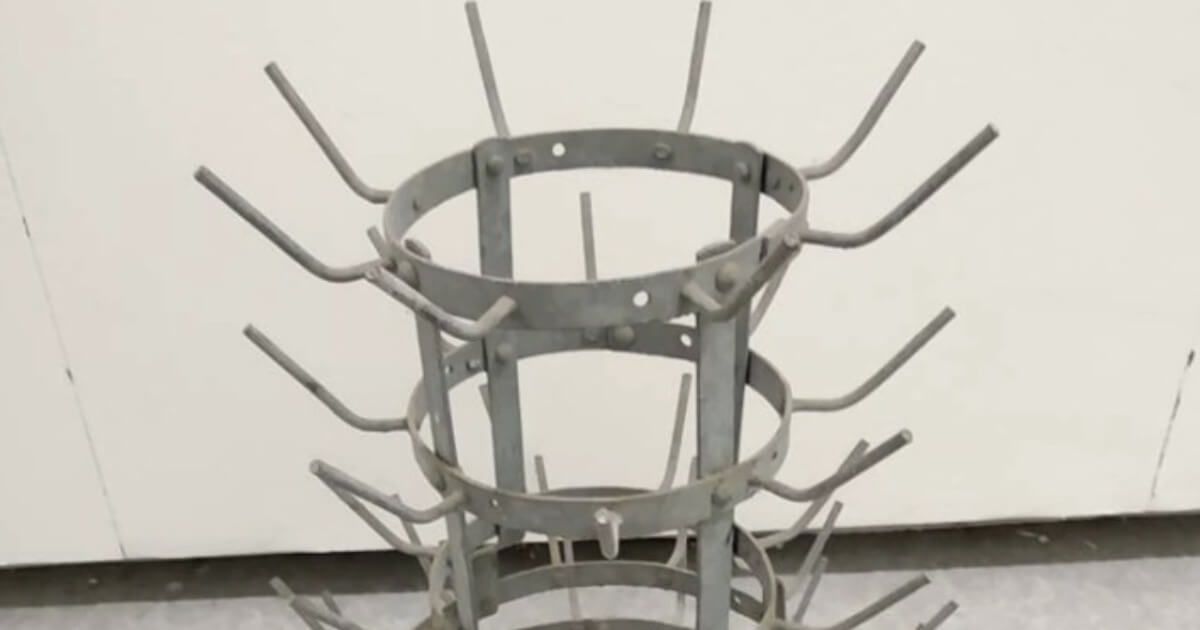
One such object was the vintage bottle drying rack, a simple yet ingenious tool that played an important role in daily life.
A Common Sight in Early 20th-Century Homes
The kitchen has long been considered the heart of the home. In the early 1900s, it was not just a place for cooking, but also for learning skills, sharing responsibilities, and spending time together as a family.
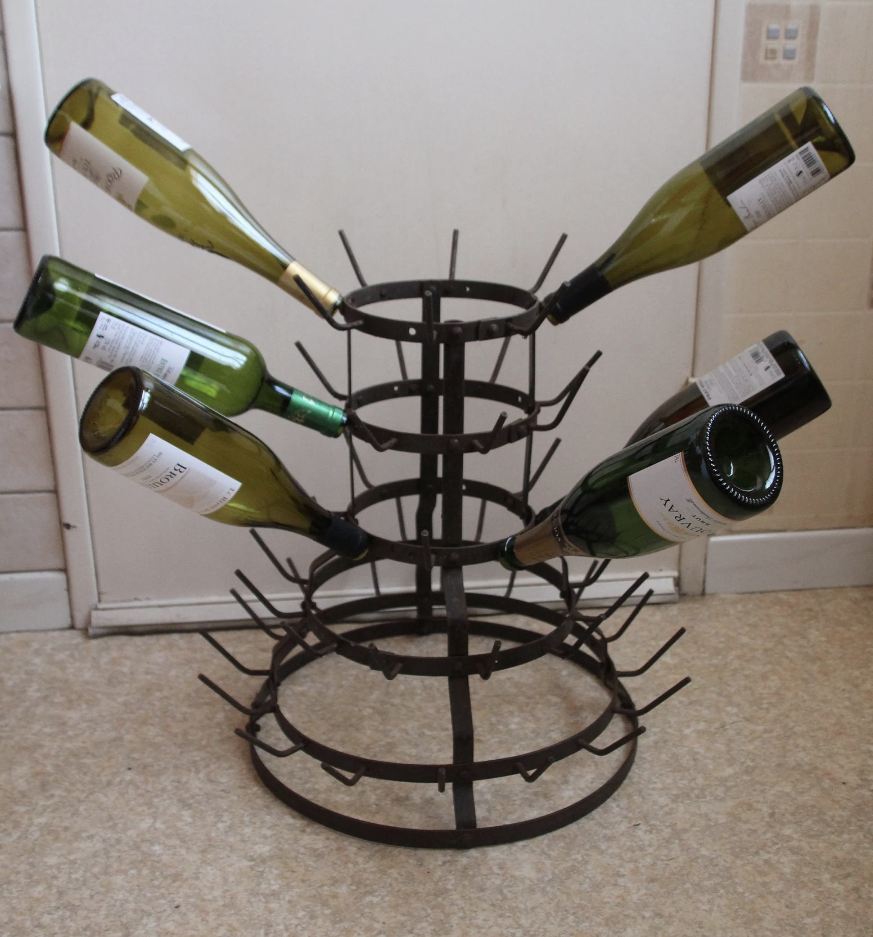
Among the many practical tools found in these kitchens was the bottle drying rack. Known in France as a hérisson or sometimes called a bottle tree, this device was designed to dry glass bottles that were reused again and again.
At a time before plastic containers became widespread, glass bottles were essential for storing milk, homemade beer, preserves, and other household staples.
A Design Built on Practical Thinking
Bottle drying racks became popular in Europe during the late 19th century and soon spread to homes in North America. Their design was straightforward but highly effective.
Most racks were made from sturdy metal and featured multiple prongs or hooks. Bottles could be placed upside down on these spikes, allowing water to drain out while air circulated inside. This helped the bottles dry completely and reduced the risk of contamination or spoilage.

For families who depended on clean, reusable containers, this simple tool made everyday tasks much easier.
Resourcefulness Before Sustainability Was a Trend
Long before modern conversations about sustainability began, many households practiced reuse out of necessity. Glass bottles were not disposable items — they were valuable resources that needed to be cleaned and maintained.
The bottle drying rack supported this routine. It represented a practical approach to living that focused on conservation, efficiency, and making the most of what you already owned.
What we now call environmentally conscious living was, for earlier generations, simply common sense.
A Symbol of Shared Work and Family Life
Household chores in the past were often shared experiences. Children helped wash dishes, dry bottles, and prepare food alongside parents and grandparents. These everyday routines strengthened family bonds and created lasting memories.
The bottle drying rack was rarely the center of attention, but it was always part of the background — a quiet contributor to the rhythm of home life. Its presence reflected patience, cooperation, and the teamwork needed to keep a household running smoothly.
From Practical Tool to Decorative Treasure
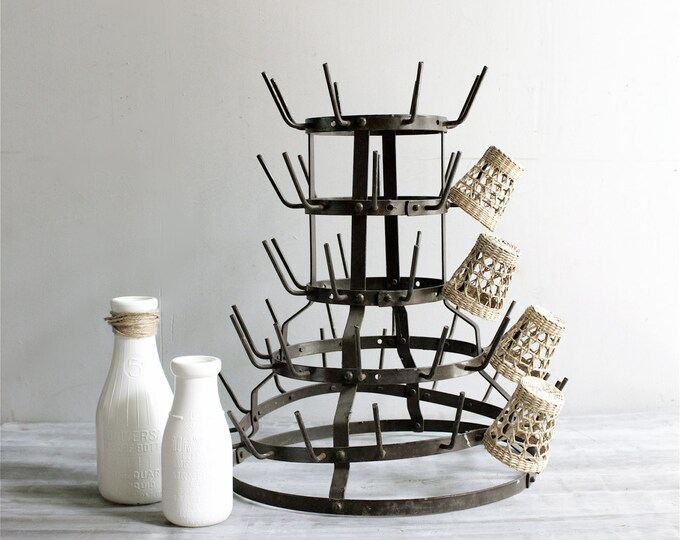
Today, vintage bottle drying racks have found new purposes. Some people use them as mug holders, plant stands, or decorative accents in rustic or farmhouse-style interiors. Others display them simply as conversation pieces that connect modern spaces with the past.

Although their everyday function may have changed, the story they carry remains powerful. They remind us of a slower pace of life and a time when even the simplest household items were thoughtfully designed and carefully used.
Preserving a Piece of Everyday History
If you ever come across an antique bottle drying rack, take a moment to imagine the hands that once used it and the kitchens where it stood. It is more than just a relic. It represents ingenuity, sustainability, and the importance of family routines that shaped daily life.
In a world that often moves quickly and replaces things without a second thought, these timeless tools offer a gentle reminder: sometimes the smallest objects hold the deepest meaning.