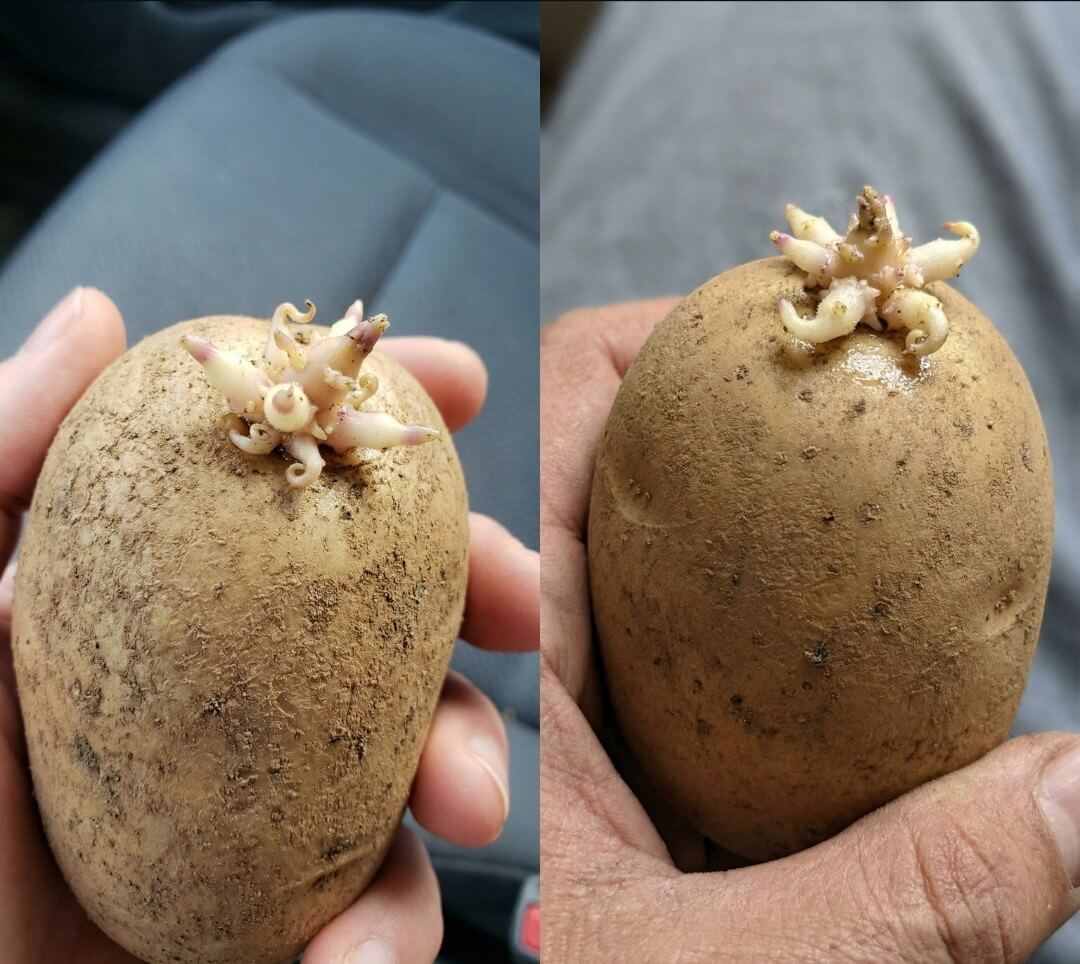
The other day, while rummaging through my pantry (partly for pasta, partly to avoid actual responsibilities), I discovered a bag of potatoes that had… evolved. Not just tiny sprouts — full-on, dramatic, reaching-for-the-light tendrils. Like they had life goals.
My first reaction was disgust. My second was panic: “Can I still eat these, or am I about to poison myself?”
So naturally, I fell into a deep research hole about sprouted potatoes. Let’s talk about it.
Apparently, They’re Not Just Ugly
I always assumed sprouts were just a cosmetic issue — not pretty, but not dangerous. Turns out, that’s not entirely true.
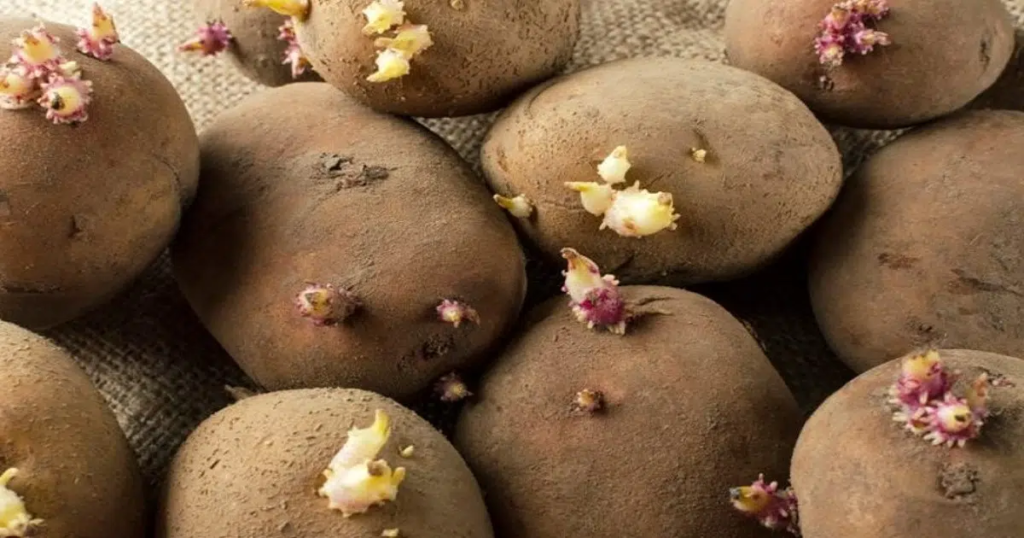
When potatoes start sprouting, they begin producing natural toxins called glycoalkaloids — mainly solanine and chaconine. They sound like sci-fi villains, but they’re real compounds that can cause nausea, headaches, stomach cramps, and other unpleasant symptoms if consumed in large amounts. Not instant doom — but definitely not ideal dinner vibes.
The Longer They Sit, the Worse They Get
Here’s the frustrating part: the longer a potato keeps sprouting, the more toxin levels can increase. It’s like a slow transformation from “food” to “maybe not food anymore.”
Even recently bought potatoes can enter this phase quickly if stored poorly. The bigger and longer the sprouts, the higher the risk — especially if the potato starts turning green.
Can You Still Eat Them? Maybe — With Caution
This is where things get a bit gray.
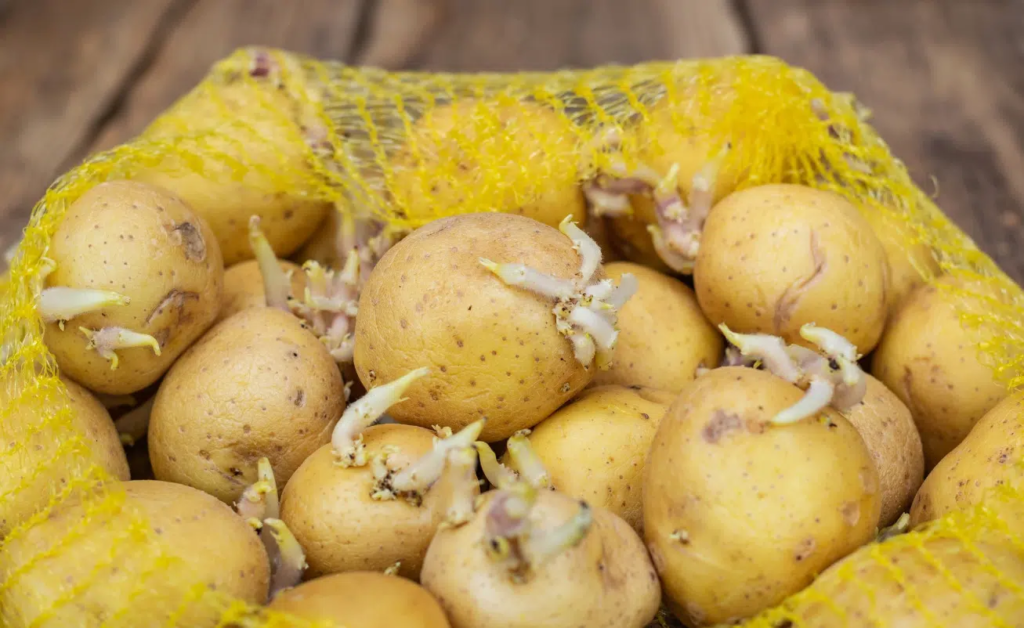
If the sprouts are small and the potato is still firm, you can usually cut off the sprouts and remove any green areas, then cook it thoroughly. Green parts are especially high in toxins, so they should always be trimmed away.
But if the potato feels soft, smells strange, looks heavily green, or seems like it’s emotionally given up on life — it’s better to toss it.
I’ve personally trimmed sprouted potatoes before and survived just fine, but that’s anecdotal, not a medical recommendation. Mostly, I just didn’t want to waste cheap groceries.
Turns Out, Storage Matters More Than I Thought
This whole situation made me realize I’ve been storing potatoes completely wrong.
They should be kept in a cool, dark, dry place — not in direct sunlight, not in a warm pantry corner, and not in the refrigerator. Moisture and warmth speed up sprouting, and poor airflow makes it worse.
And here’s a wild tip: don’t store potatoes near onions. Onions release gases that encourage sprouting, basically telling potatoes it’s time to start growing limbs. Vegetable betrayal is real.
You Can Actually Plant the Sprouts — Which Is Kind of Wholesome
After reading all this toxin-related doom, I stumbled on something surprisingly wholesome: you can plant sprouted potatoes.
If the potato isn’t rotten, you can cut it into chunks — each piece with a sprout — and plant it in soil. Over time, it can grow into new potatoes. Trash turns into food. Honestly? That’s kind of beautiful.
I haven’t tried it yet, but now I’m eyeing my yard like I might suddenly become a gardener.
Bottom Line (If We Can Call It That)
If your potatoes have small sprouts and still feel firm, trimming them and cooking them thoroughly is usually fine. Just avoid giving them to babies or anyone with health sensitivities.
If they’re soft, green, smelly, or look like they’ve fully committed to a new life as a plant — throw them out. Or plant them. Depending on your mood.
And most importantly, store potatoes properly: cool, dark, dry, away from onions, and far from sunny windows. Basically… treat them better than I have for the last ten years.

