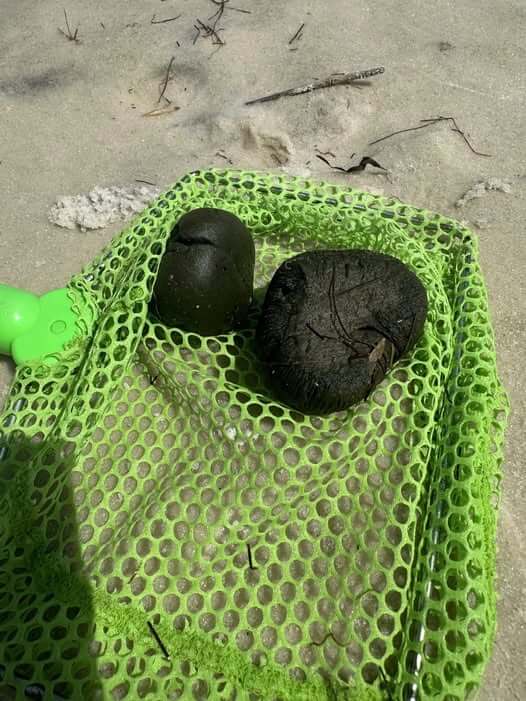
If you’ve ever spent time around Pensacola Bay with kids, you’ve probably heard excited laughter followed by a triumphant, “Look what I found!” — often paired with a hilariously gross nickname. While the joke might get a laugh, these odd little beach finds are actually far more natural and fascinating than they seem. Those mysterious clumps are most likely mud balls, and their presence has everything to do with tides, currents, and the seafloor beneath the bay.
A Common Coastal Curiosity
Along the bayside waters of Pensacola — especially near sandy stretches and grassy marsh areas — mud balls are surprisingly common. You can often spot them scattered across the shoreline, blending in with sand, shells, and other natural debris.
Despite their funny nickname, these objects are not manmade and definitely not waste from marine animals. Instead, they’re a quirky creation of nature — almost like a natural stress ball shaped by water and time.
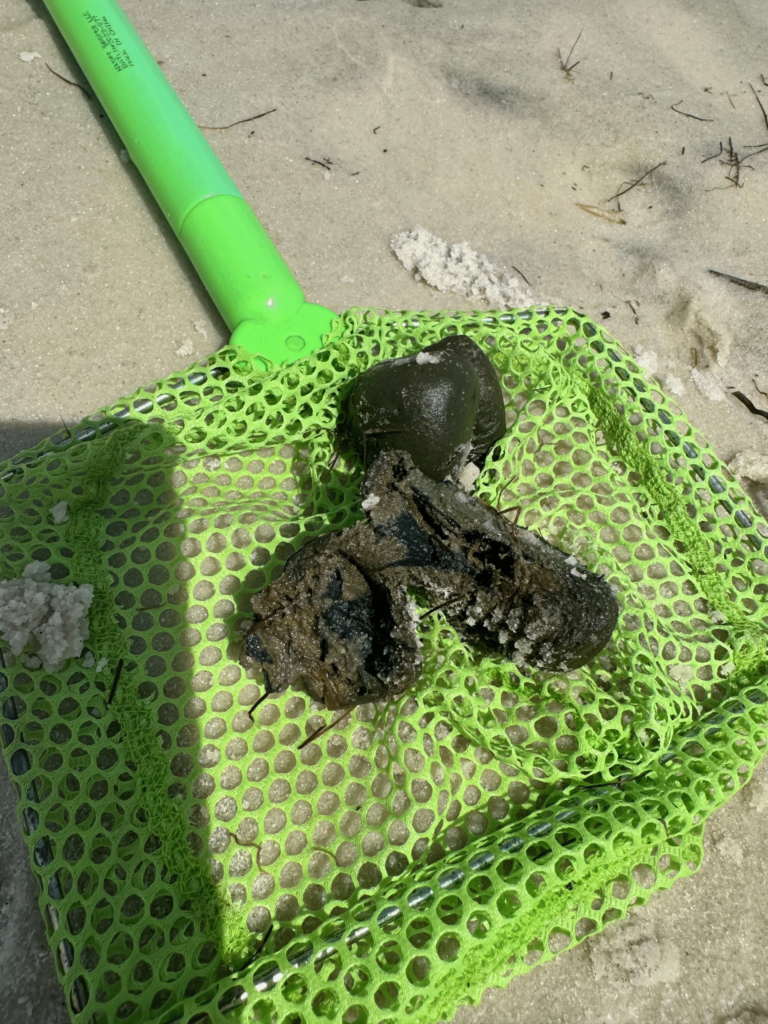
How Mud Turns Into a Ball
Here’s how it happens: Underwater mud banks, made of soft, clay-like sediment, can slowly break apart due to wave movement, currents, or even footsteps in shallow areas. Once a chunk of mud separates, the water takes over. As it rolls along the seabed, sand and water smooth it down, shaping it into a rounded, compact ball over time.
This natural tumbling process works much like the way river stones or sea glass become polished. The final result is a smooth, squeezable clump of mud that feels oddly treasure-like to curious beachgoers.
Is It Just Mud?
In most cases, yes — it’s simply mud. Sediment in Pensacola Bay tends to be dark and rich in organic material, which is why these balls often appear dark green or nearly black. Their color and texture can sometimes make people wonder if they contain tar, oil, or other contaminants.
While concerns about underwater pollution have existed in the past, these mud balls are generally harmless, odor-free, and made up of ordinary sediment. That said, if you ever find one with a strange smell, sticky residue, or unusual texture, it’s best to leave it alone and wash your hands afterward.
A Coastal Kid’s Keepsake
For generations of children growing up near the Gulf Coast, collecting mud balls has become a funny and memorable beach tradition. They’re strange, entertaining, and just mysterious enough to spark curiosity about tides, geology, and how nature shapes the shoreline.
It’s not every day that a simple beach find turns into a mini science lesson — or a story kids will excitedly retell. So the next time your child proudly shows off one of these odd discoveries, you can smile and explain it as another classic Pensacola Bay mud ball moment.
Mud Balls and Coastal Memories
Those quirky little finds — whether it’s a sand dollar, an unusual shell, or a squishy green mud ball — often become the highlights of beach-day adventures. They may not belong in a museum, but they absolutely earn a place in family stories and childhood memories. And honestly, that’s what makes coastal experiences so unforgettable.

