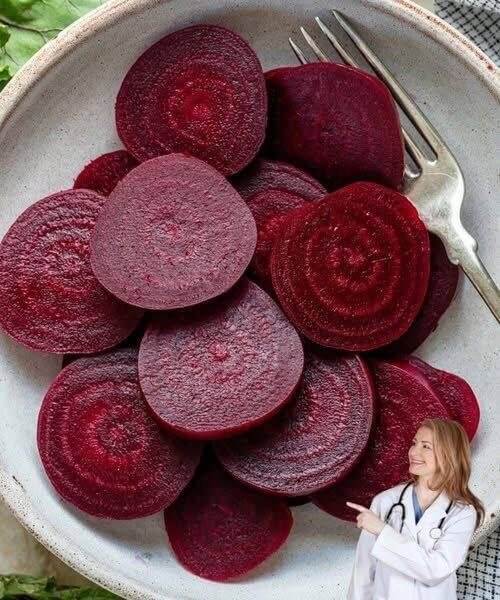
You’ve likely heard the buzz calling beets a “superfood,” and while that term is often overused, this colorful root vegetable genuinely earns its reputation. Beets are packed with antioxidants, natural nitrates, fiber, and folate, making them a powerful addition to a heart-healthy, performance-boosting diet. When eaten consistently, they can support cardiovascular health, brain function, digestion, and physical endurance without expensive supplements or trends.
What Happens When You Eat Beets
Let’s cut through the hype and focus on what science actually supports. Research shows that beets deliver real, measurable health benefits when included as part of a balanced diet.
7 Science-Backed Benefits of Beets
1. May Help Lower Blood Pressure
Beets are naturally high in nitrates, which your body converts into nitric oxide. This compound relaxes and widens blood vessels, improving circulation. Studies show that drinking about 8 ounces of beet juice can reduce systolic blood pressure by 4–10 mmHg within hours. This makes beets especially useful for people with mildly elevated blood pressure, alongside medical advice and treatment—not as a replacement.
2. Can Improve Exercise Performance
Nitric oxide also enhances how efficiently muscles use oxygen. Research involving cyclists found that beet juice consumption before workouts improved performance and reduced oxygen demand. Similar effects have been observed in runners, swimmers, and older adults. For best results, beet juice is typically consumed 2–3 hours before physical activity.
3. Supports Brain Health
By improving blood flow to key areas of the brain, particularly the frontal lobe, beets may support memory and decision-making. Studies involving older adults showed improved brain activity patterns after consuming beet juice, resembling those of younger individuals during cognitive tasks.
4. Helps Reduce Inflammation and Oxidative Stress
The deep red pigments in beets, known as betalains, act as powerful antioxidants. These compounds help combat chronic inflammation, which is linked to heart disease, arthritis, and certain cancers. To retain the most benefits, beets are best eaten raw, lightly roasted, or juiced, as excessive cooking can reduce antioxidant levels.
5. Promotes Digestive and Gut Health
One cup of beets contains over 3 grams of dietary fiber, which supports healthy digestion and feeds beneficial gut bacteria. A balanced gut microbiome plays a role in immune function, metabolism, and mood regulation. Fiber also helps control blood sugar levels and promotes fullness.
6. Supports Natural Detox Processes
Betalains assist liver enzymes that help break down and remove toxins from the body. While most evidence comes from animal studies, findings suggest beets support natural detoxification pathways. There’s no need for extreme cleanses—your body already knows how to do the job when supported with whole foods.
7. Provides Essential Nutrients
Beets are rich in key vitamins and minerals, including folate (about 37% of daily needs), manganese (22%), potassium (11%), and iron (6%). These nutrients contribute to energy production, nerve function, and overall metabolic health.
What Beets Won’t Do
Claim: Cure cancer — Reality: Lab studies show potential anti-cancer properties, but no human trials confirm this.
Claim: Burn fat — Reality: Beets are low in calories, but beet juice lacks fiber and may raise blood sugar; whole beets are a better option.
Claim: Flush kidneys — Reality: Beets support kidney health through antioxidants but don’t physically flush toxins.
Claim: Guarantee glowing skin — Reality: Skin health depends on overall nutrition, hydration, sleep, and lifestyle.
Important Things to Know Before Eating Beets Daily
Some people experience beeturia, a harmless pink or red tint in urine or stool. Beets are also high in oxalates, so those prone to kidney stones should consume them in moderation. Because beets can lower blood pressure, people with hypotension or those taking blood pressure medications should consult a healthcare provider before drinking beet juice regularly.
Best Ways to Eat Beets for Maximum Benefits
Raw: Grated into salads or blended into smoothies to preserve nitrates.
Roasted: Toss with olive oil and herbs and roast at 400°F for 35–45 minutes.
Juiced: Combine with apple, ginger, or lemon for better flavor and absorption.
Pickled: Offers probiotics, though sodium content should be monitored.
Soups: Traditional beet soups like borscht are nutrient-dense and filling.
Pro tip: Pair beets with vitamin C–rich foods such as lemon or bell peppers to improve nitrate absorption.
Final Thought: One Simple Vegetable, Serious Health Benefits
Beets aren’t a miracle cure, but they are one of the most effective and affordable foods for supporting heart health, brain function, and physical performance. No powders, no expensive detox programs—just real food eaten consistently. Over time, the benefits add up quietly, proving that true wellness comes from simple, nutrient-rich choices rather than hype.

