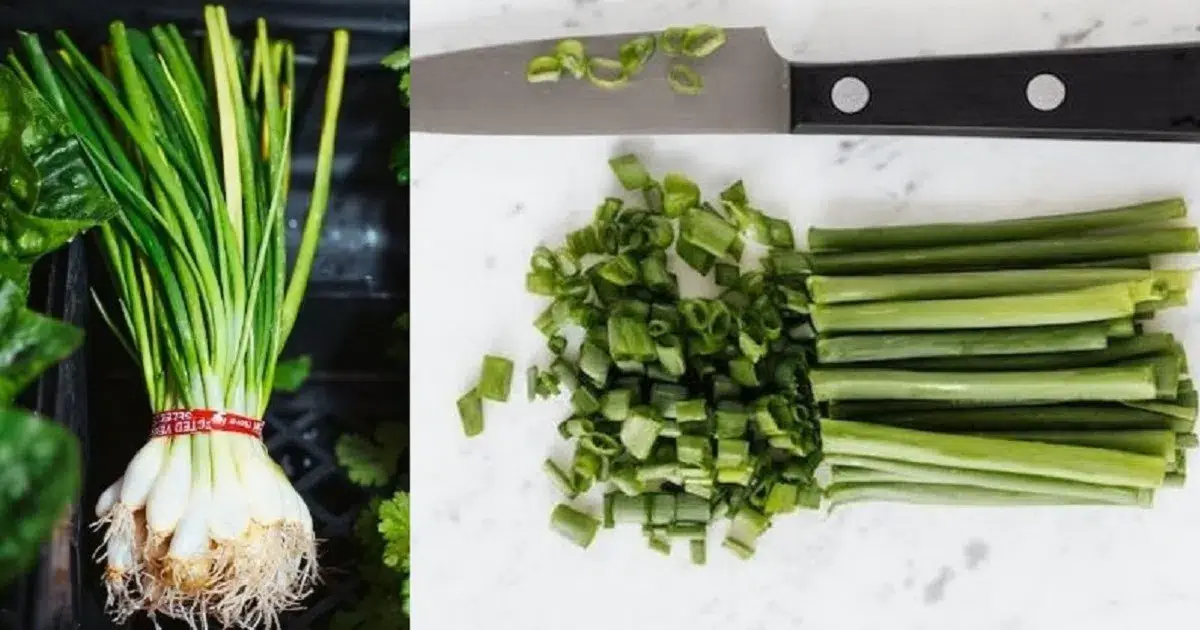
Onions are a kitchen essential, adding flavor, aroma, and depth to countless recipes. But when it comes to scallions, green onions, spring onions, and chives, the names often get mixed up — leaving many home cooks unsure whether they’re actually the same thing. While these onion varieties share similarities, each has unique traits in flavor, appearance, and best culinary use. Let’s break down the differences and see how interchangeable they really are.
What Are Scallions?
Scallions are young onions harvested before a large bulb forms. The white base remains slim, while the green tops are long, crisp, and vibrant. Their flavor is mild, fresh, and lightly oniony, making them perfect for both raw and cooked dishes. Scallions are commonly used in salads, stir-fries, soups, omelets, and as a garnish. Both the white and green portions are edible, and they’re often sliced thin or on a diagonal for presentation.
What Are Green Onions?
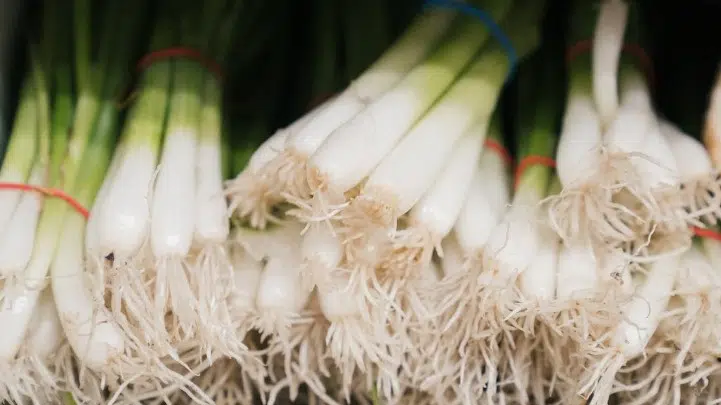
Green onions look and taste very similar to scallions, and in many places, the terms are used interchangeably. However, green onions may sometimes refer to slightly more mature onions with a small developing bulb and a slightly stronger flavor. They’re widely used in Asian cuisine, especially in Chinese and Korean cooking, where they enhance stir-fries, dumplings, noodle dishes, and savory toppings. Their versatility makes them a staple in many global kitchens.
What Are Spring Onions?
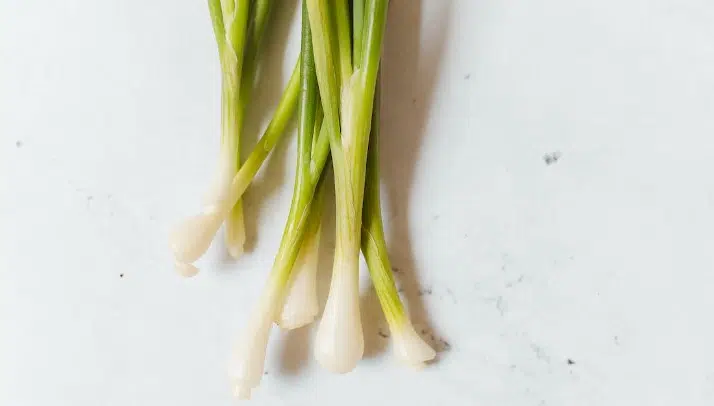
Spring onions differ more noticeably from scallions and green onions. They’re harvested at a later stage, when the bulb has started to grow but is still relatively small. Their white base is more rounded and pronounced, and their flavor is stronger and more pungent. The green tops are thicker and more robust in taste. Spring onions are popular in European and Mediterranean cooking and are often grilled, roasted, sautéed, or added to stews, tarts, and hearty dishes where a bolder onion flavor is welcome.
What Are Chives?
Chives belong to the same family as onions but look and taste quite different. They have thin, hollow green stems and a very mild, delicate onion flavor. Unlike the other varieties, chives are typically used as an herb rather than a vegetable. They’re usually finely chopped and sprinkled over dishes as a garnish, adding a subtle onion note without overpowering the meal. Chives pair well with eggs, salads, creamy soups, baked potatoes, and light sauces.
Can You Substitute One for Another?
Scallions, green onions, and spring onions can often be swapped in recipes, but it’s important to consider flavor strength. Scallions and green onions are milder, while spring onions have a more intense onion taste. If using spring onions as a substitute, use a lighter hand. If replacing spring onions with scallions or green onions, you may need to use a larger quantity to match the flavor impact.
Chives, however, are not a direct substitute for the others when texture or bulk is needed. Their best role is as a garnish or flavor accent. If a recipe specifically calls for chives, using them will give the best balance of flavor and presentation.
Although scallions, green onions, spring onions, and chives may look similar at first glance, each has its own identity and culinary purpose. Knowing the differences helps you choose the right one for your recipe and boosts both flavor and confidence in the kitchen — even when you need to substitute based on what’s available.

