Confession: I had no idea what an “ancient craftsman’s rack” was until I wandered into a dusty antique store one afternoon. You know the kind—smells like old leather, yellowed paperbacks, and a little bit of mystery. The sort of place where you sneeze once and suddenly feel like you’re on an archaeological expedition.
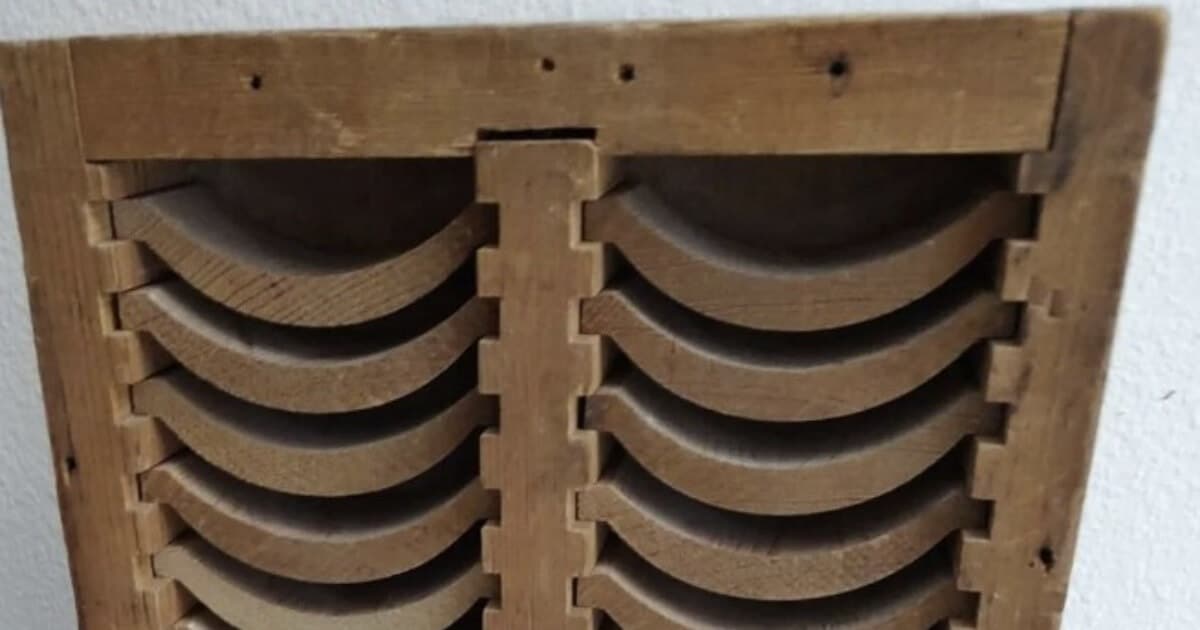
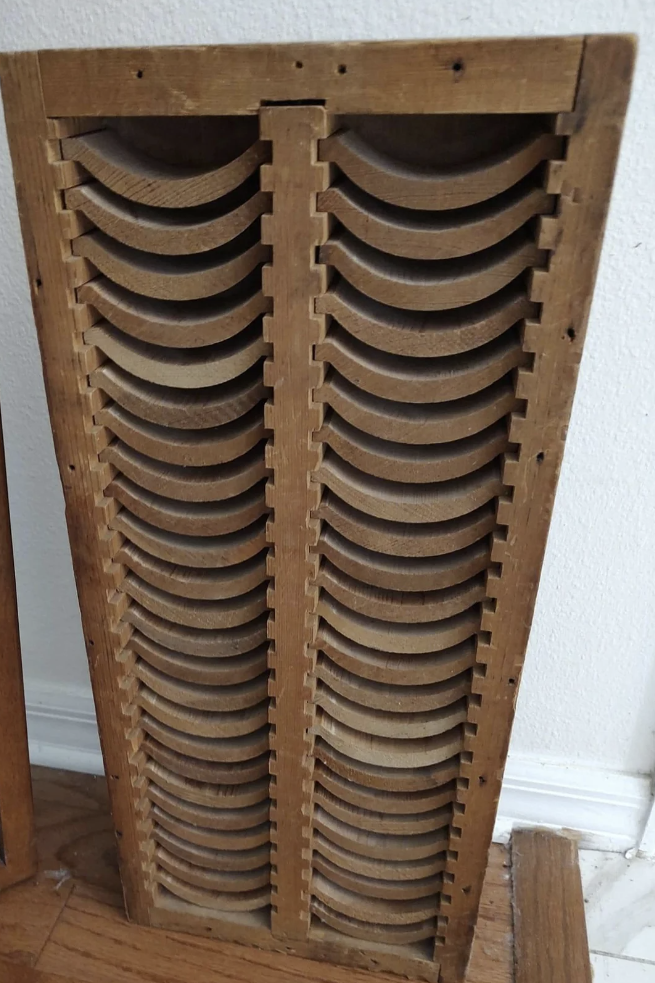
Tucked between a broken phonograph and a slightly lopsided spinning wheel sat a plain wooden frame. No label. No helpful tag. Just a structure with evenly spaced notches and pegs.
It didn’t look decorative. It looked purposeful.
And that’s what made it interesting.
What It Was Actually Used For
Despite the dramatic name, this so-called “ancient craftsman’s rack” was a practical tool—most commonly associated with traditional tile-making.
Long before mass-produced roofing materials existed, potters and builders shaped clay roof tiles by hand. After forming each tile, they needed a safe place for it to dry evenly before firing it in a kiln. That’s where racks like this came in.
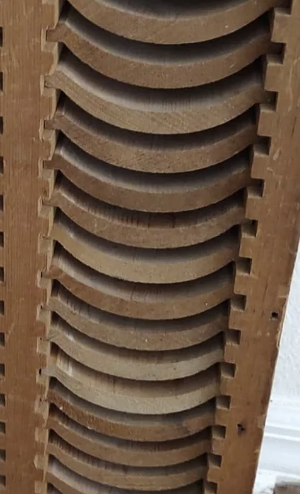
The wooden frame held the damp clay tiles in position while they cured. The notches and pegs helped support the shape and prevent warping. If the clay dried unevenly, it could crack. If it went into the kiln too wet, it might shatter entirely.
In other words, this simple rack played a crucial role in whether someone ended up with a sturdy roof—or a very expensive mistake.
Why the Design Mattered
These racks weren’t flashy. They were all about function.
- The spacing allowed airflow so clay could dry consistently.
- The structure supported the curved or flat shape of the tile.
- The layout prevented tiles from touching and sticking together.
Every craftsperson often had their own variation. Some racks were built larger to handle bigger tiles. Others were adapted based on local clay types or roofing styles. It was hands-on problem-solving at its best.
Small tweaks could mean the difference between success and failure.
More Than Just a Drying Rack
Once I started researching, I realized this rack was only one part of a delicate, multi-step process.
Tile-making required:
- Shaping the clay
- Allowing it to dry at just the right pace
- Carefully firing it in a kiln
- Cooling it without cracking
If anything went wrong in those stages, the tile was lost.
That little wooden frame wasn’t just storage—it was quality control.
Why It Still Matters Today
It’s easy to overlook something like this in a world of power tools, hardware stores, and overnight shipping. But tools like the craftsman’s rack are reminders of a time when skill and patience were essential.
There were no shortcuts. No bulk orders. Just time, labor, and craftsmanship.
Seeing an object like that makes you pause and think about how much daily life once depended on careful, manual work. Entire communities relied on people who knew how to build, fire, and shape materials properly.
That’s not just practical—it’s powerful.
A Window Into Everyday History
Objects like this are conversation starters. They represent the quiet backbone of daily survival in earlier centuries. Roofs didn’t appear out of nowhere. Every single tile was shaped, dried, fired, and placed by human hands.
And long after the builders were gone, their work remained overhead—protecting families from rain, wind, and time.
There’s something grounding about that.
A Piece of the Past Worth Keeping
If you ever come across one of these racks in an antique shop or garage, you’re not just looking at an odd wooden frame. You’re looking at a tool that helped shape homes—literally.
Even if it never holds a clay tile again, it stands as a reminder that craftsmanship once required nothing more than wood, patience, and skill.
Sometimes the simplest objects carry the strongest stories.

