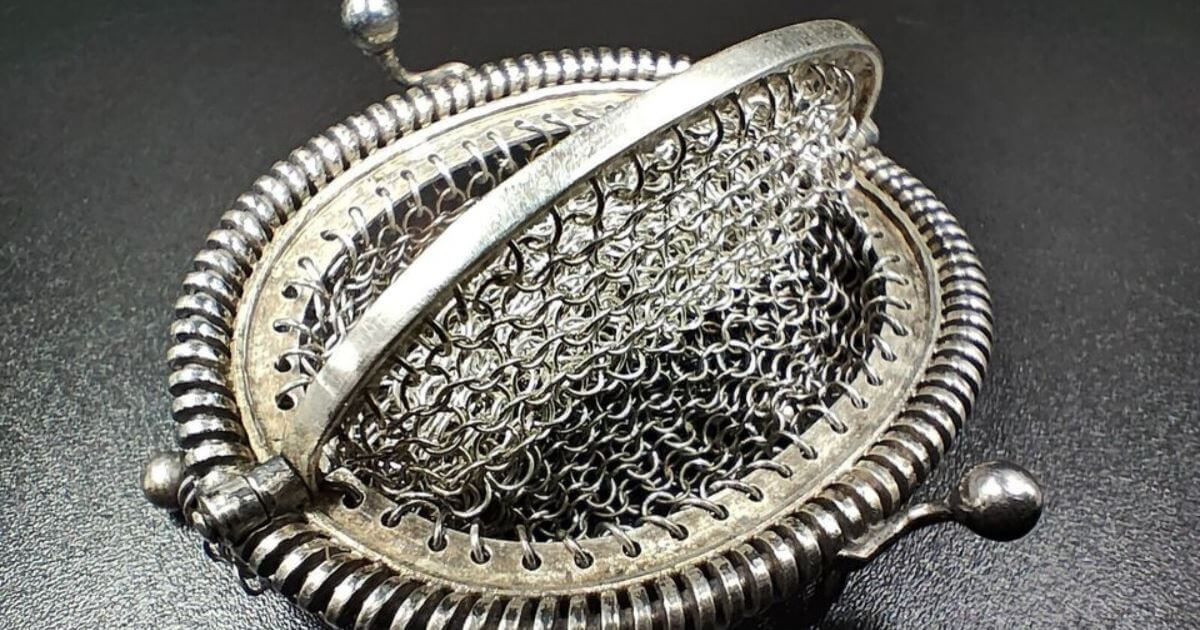
An antique Victorian silver purse is one of those objects that instantly pulls you into another time. At first glance, it’s easy to admire it simply as a beautiful old accessory—but in the late 1800s, a piece like this carried a lot more meaning than “somewhere to keep coins.”
For many women of the Victorian era, a silver purse was both practical and performative—a small, gleaming symbol of refinement, taste, and social standing.
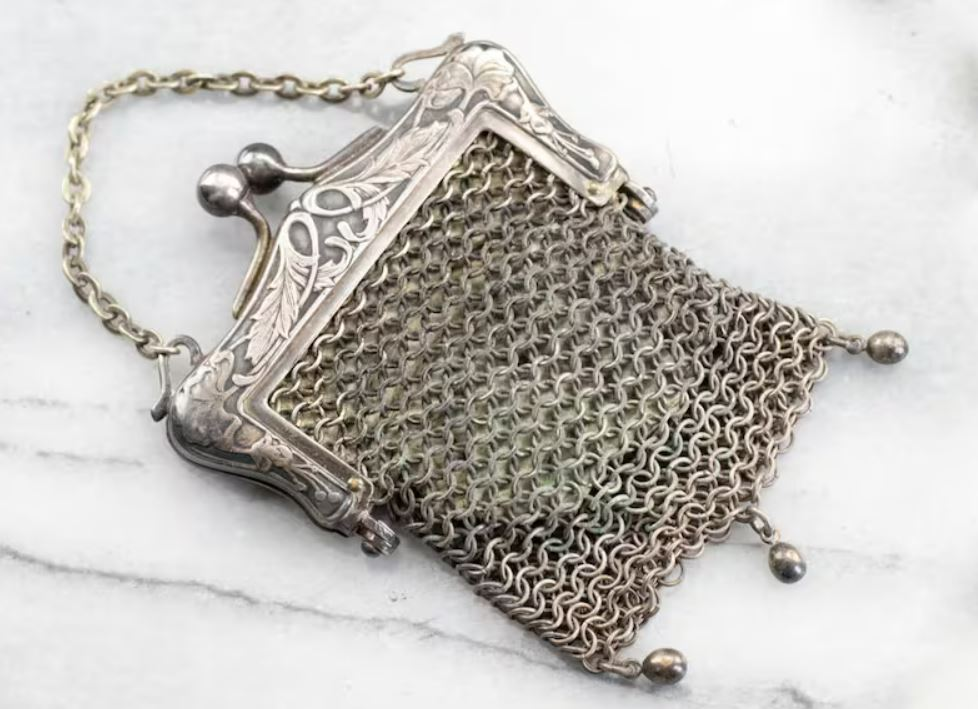
A Quintessential Victorian Status Piece
In the late 19th century, personal accessories weren’t just chosen for convenience. They were part of how people presented themselves to the world. A silver purse signaled that its owner belonged to a certain class—someone who could afford precious materials, fine workmanship, and fashionable details.
It wasn’t only about wealth. It was about visible wealth—carried in the hand, displayed during outings, and noticed in social settings where appearances mattered.
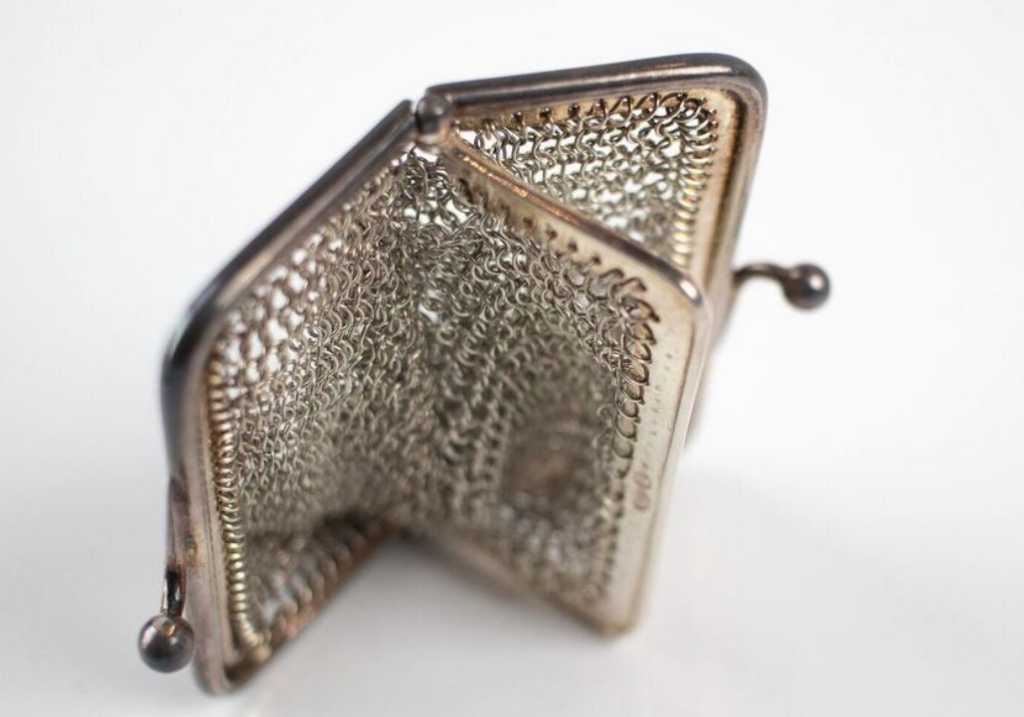
Craftsmanship That Was Meant to Be Seen
Victorian silver purses were typically made from sterling silver and crafted with serious attention to detail. The designs often included:
- intricate engraving
- embossing and raised patterns
- delicate filigree work
- ornate frames and clasps
Styles ranged from tiny coin purses intended to hang from a chatelaine to larger, sturdier clutches complete with chains and decorative closures.
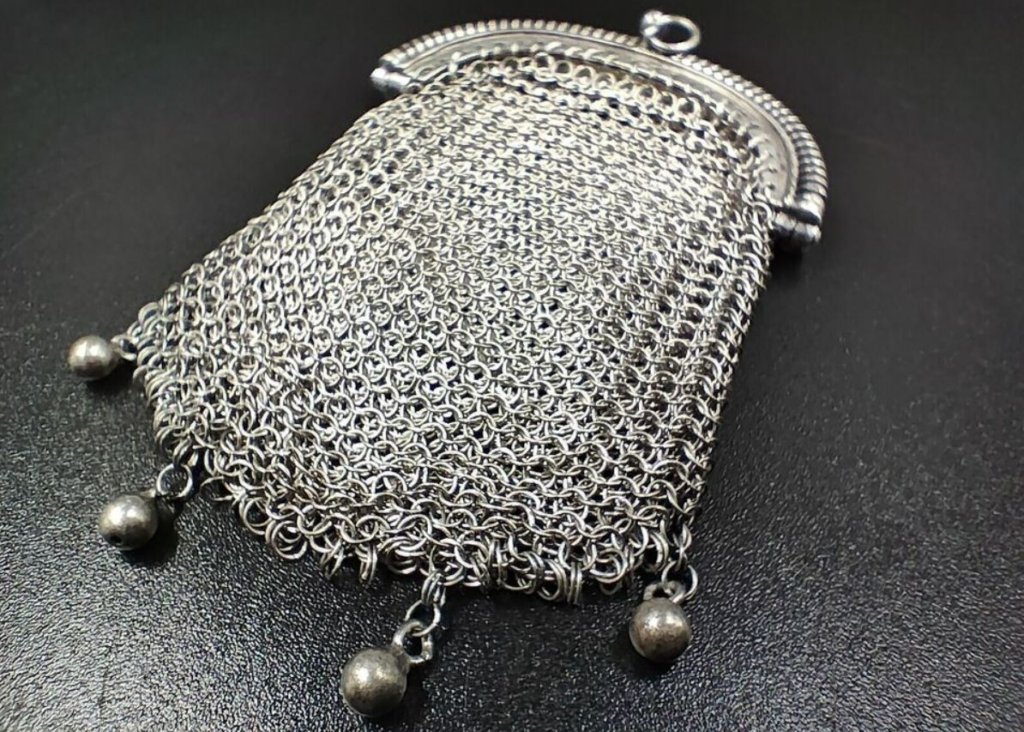
Even the clasps were a showpiece. Many were embellished with semi-precious stones or decorated with motifs borrowed from nature—flowers, vines, birds—or inspired by Gothic and Rococo revival trends.
In other words, these purses weren’t trying to blend in. They were designed to be admired.
Beautiful, Yes—But Also Surprisingly Functional
For all their ornate design, these purses weren’t just decorative collectibles. They were genuinely useful.
Many were lined with soft fabrics like silk or velvet to protect what was inside. And they were often built with practical features such as:
- compartments for coins
- space for folded notes
- sometimes room for calling cards
That mix of utility and elegance made them essential accessories for well-to-do Victorian women, especially during formal outings and social calls.
Why Owning One Mattered
During the Victorian period, objects carried social signals, and accessories were loaded with meaning. A silver purse was a subtle but clear indicator that a woman belonged to the “respectable” social sphere—someone expected to have fine things, and to know how to carry them.
Because of their material value and craftsmanship, these purses also became popular as meaningful gifts. They were often given for major occasions like weddings and anniversaries, then kept as treasured keepsakes.
Many eventually became heirlooms—passed down not just because they were valuable, but because they represented family history, milestones, and identity.
A Small Object That Holds a Whole Era
Today, an antique Victorian silver purse is more than a pretty collectible. It’s a snapshot of an era when craftsmanship mattered, everyday items were built to last, and even the smallest accessory was expected to reflect culture, class, and taste.
It’s Victorian life in miniature—functional, ornate, and quietly full of meaning.

