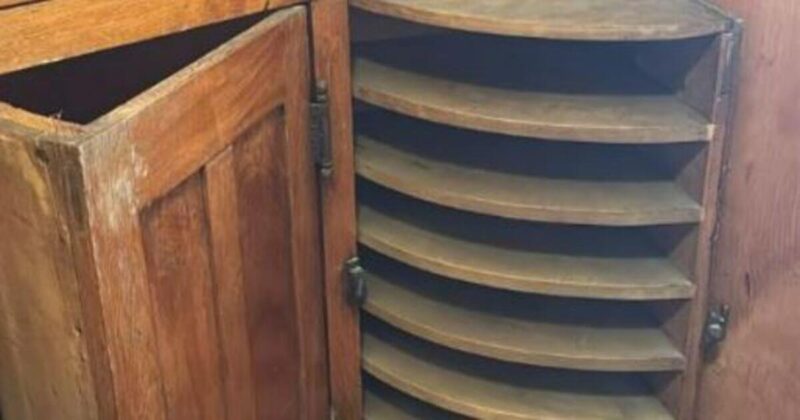
Kitchens in earlier generations were built with serious purpose. They weren’t just places to cook — they were designed to store large amounts of food efficiently and keep households running smoothly. One of the smartest features from that era was the old-fashioned pantry bin, a built-in storage solution created for practicality, durability, and everyday convenience.
These weren’t decorative antiques. Pantry bins were carefully planned, custom-built, and essential for managing the daily rhythm of a busy home.
Built for Bulk and Designed to Last
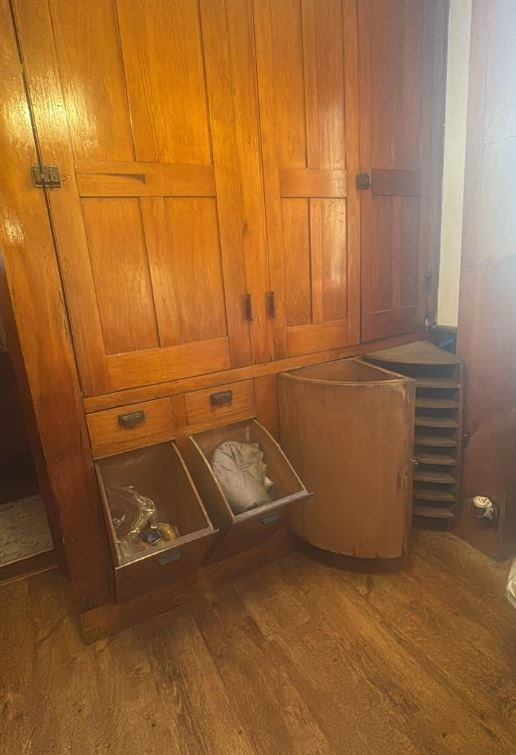
Back when families purchased flour, sugar, and grains in large sacks, regular cabinets simply weren’t enough. Homes were equipped with deep wooden bins that could hold 25 to 50 pounds of dry goods. These bins were often built directly into kitchen cabinetry as part of the original home design — not added later as an afterthought.
Their clever slanted or lifting design allowed ingredients to flow forward, making scooping easy and reducing strain from lifting heavy bags. The wood construction naturally helped keep contents cool and dry. No plastic. No synthetic sealants. Just solid craftsmanship and common sense.
A Dedicated Space for Every Staple
Most kitchens had multiple bins, each assigned to specific pantry essentials like flour or sugar. Some households also stored oats, beans, rice, coffee, cornmeal, or salt. Larger homes sometimes featured separate bins for nearly every major dry ingredient.
This wasn’t about minimalism or trends — it was about making daily meal prep efficient. When families cooked from scratch several times a day, easy access to staples saved time and effort. Some bins even included built-in scoops tied inside the lid, making baking faster and cleaner when hands were dusted with flour.
Short-Term Convenience and Smart Storage
While pantry bins were ideal for dry goods, some families also used them temporarily for onions, potatoes, or bread. Long-term vegetable storage usually belonged in a root cellar where temperatures stayed consistent, but pantry bins offered quick, practical access for everyday cooking needs.
It was all about balance — preserving food properly while keeping ingredients within easy reach during busy days.
Handcrafted Quality That Stood the Test of Time
There’s something special about old wooden pantry bins — smooth from decades of use, solid, sturdy, and built with care. These weren’t mass-produced products. Each one was custom-made by skilled cabinetmakers and fitted precisely into the home.
Many of these bins still function beautifully today, even after 80 or 100 years. Their longevity comes from both quality materials and simple, smart design. No complicated hinges. No fragile mechanisms. Just strong wood, clean angles, and thoughtful engineering.
A Return to Simple, Practical Living
Today, old-style pantry bins are making a comeback. Homeowners restoring historic houses often choose to keep them, while others install new versions inspired by classic designs. These bins offer more than storage — they bring a sense of tradition, purpose, and connection to the past.
There’s something grounding about reaching into a bin for flour that feels timeless — a reminder that efficiency doesn’t always require modern gadgets.
More Than Vintage Charm
Old pantry bins represent a time when homes were built around real daily needs, not just aesthetics. Their design supported natural routines and practical living. Quietly, these humble storage units carry wisdom from an era that valued function, craftsmanship, and thoughtful simplicity.
They may seem like small details, but like many traditional household features, they hold lessons worth remembering — proof that sometimes the smartest solutions were created long before modern technology took over.

