
When I first started cooking, I honestly didn’t realize heavy cream and whipping cream weren’t the same thing. They look almost identical, come in similar cartons, and they’re usually parked right next to each other in the dairy aisle. But after a few “why isn’t this working?” moments in the kitchen, I figured out something important: choosing the wrong cream can seriously affect how a recipe turns out.
If you’ve ever stood there staring at both cartons, trying to decide which one belongs in your cart, here’s the simple breakdown you need.

What’s the Difference Between Heavy Cream and Whipping Cream?
It mainly comes down to one thing: fat content.
Heavy cream (sometimes labeled heavy whipping cream) contains 36% milk fat or more. That extra fat makes it thicker, richer, and better at holding its shape.
Whipping cream usually sits around 30% to 35% milk fat. It’s still creamy, but slightly lighter—so it behaves a little differently in recipes.
The difference might sound minor, but in certain dishes, that extra fat in heavy cream is the difference between “perfect” and “why is this runny?”

How They Perform in Recipes
The cream you use affects texture, stability, and richness. Here’s when each one shines.
Heavy Cream: The Reliable Powerhouse
Heavy cream is the one I reach for when I need the best chance of success. It’s rich, sturdy, and holds up well under heat and whipping.
Best uses for heavy cream:
Whipped cream: If you want thick, fluffy whipped cream that stays stable for hours (like for cake decorating or dessert topping), heavy cream is the best pick.
Sauces and soups: Heavy cream gives creamy sauces and soups a smooth, luxurious consistency—think Alfredo, creamy tomato soup, or rich chowders.
Baking and desserts: For recipes like ganache and custards, heavy cream’s higher fat content helps create structure and the texture you’re aiming for.
I once tried using whipping cream in a ganache, thinking it wouldn’t matter. It definitely did. Instead of a thick, decadent layer, I ended up with something closer to a thin drizzle. Not the vibe.
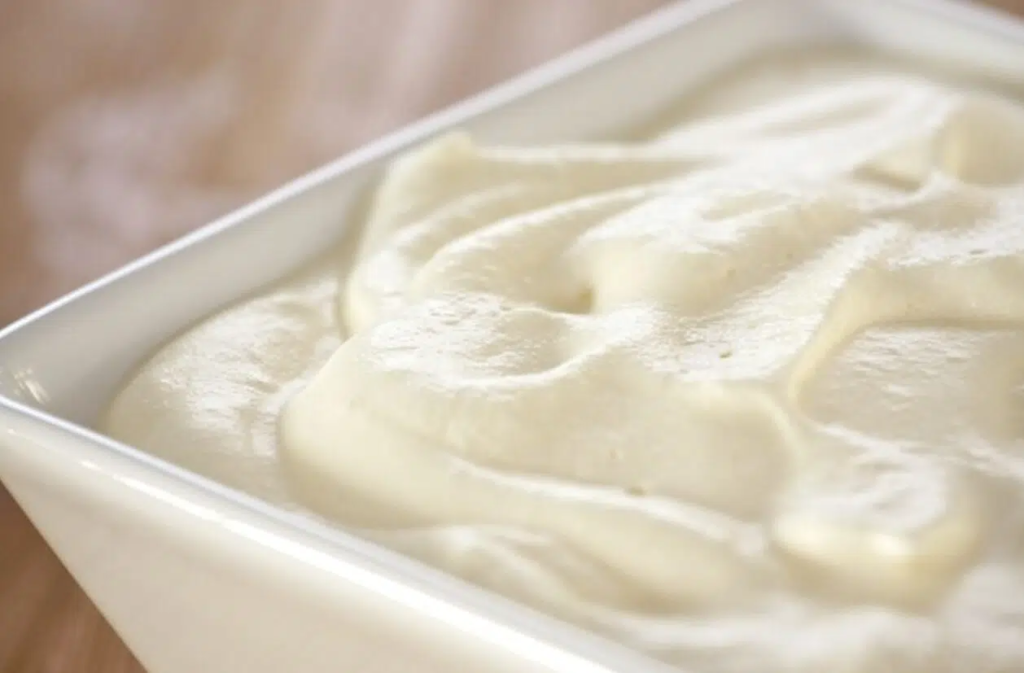
Whipping Cream: The Lighter Option
Whipping cream still has plenty of uses—especially when you don’t need maximum richness or long-lasting stability.
Best uses for whipping cream:
Light whipped toppings: It works well for pancakes, hot cocoa, or quick desserts where the whipped cream doesn’t need to hold stiff peaks for long.
Desserts: Great for mousses, trifles, or softer layered desserts where you want a lighter mouthfeel.
Everyday cooking: Whipping cream is a solid choice for lighter sauces and soups when you want creaminess without going full rich-and-heavy.
Can You Substitute One for the Other?
Most of the time, yes—but results can vary depending on what you’re making.
For whipping: If you need stiff, stable peaks, choose heavy cream. Whipping cream can whip, but it tends to be softer and won’t hold its shape as long.
For cooking: In soups and sauces, you can usually swap them without major issues. Just expect heavy cream to produce a thicker, richer finish.
For baking: This is the tricky one. Some recipes rely on heavy cream’s higher fat content for structure—ganache and certain custards are common examples. In those cases, using whipping cream can change the final consistency.
When I’m unsure, I default to heavy cream because it’s more forgiving.

What About Price and Availability?
In most grocery stores, heavy cream and whipping cream cost about the same and live side by side. The one thing that confuses people is labeling—heavy cream may also be called “heavy whipping cream,” which sounds like a totally different product even though it’s essentially the same category.
If you’re watching your budget, whipping cream may be slightly cheaper in some stores. But the difference usually isn’t big enough to outweigh the versatility of heavy cream—at least for me.
Tips for Using and Storing Cream
No matter which one you pick, these small habits make a big difference:
Keep it cold: Cream whips faster and better when it’s well-chilled.
Check the label: If you want the cleanest flavor, look for cream without added stabilizers or thickeners.
Store it right: Opened cream typically lasts about a week in the fridge. If you won’t use it in time, freeze portions in an ice cube tray so you can grab exactly what you need later.

Which One Should You Choose?
If you want rich sauces, stable whipped cream, or decadent desserts, go with heavy cream.
If you’re making something lighter or more casual, whipping cream works perfectly well.
Personally, I like keeping heavy cream on hand because it covers almost everything—from coffee upgrades to pasta sauces to last-minute desserts. And if you ever find yourself stuck between the two, here’s the easiest rule to remember:
When in doubt, go richer.

