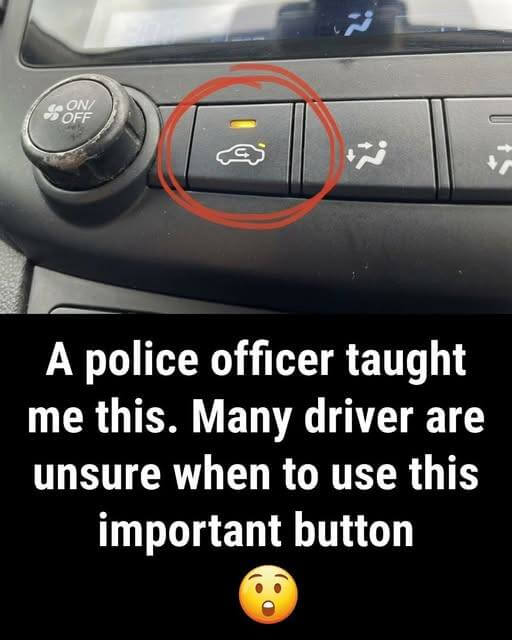
If you’ve ever noticed the small dashboard icon showing a car with a looping arrow and weren’t sure what it does, you’re not alone. Many drivers press it without thinking—or never use it at all. In reality, this simple button can improve comfort, protect cabin air quality, and even help your car run more efficiently when used the right way.
What the Air Recirculation Button Does
The air recirculation button controls where the air inside your vehicle comes from. It works in two basic modes that affect temperature, air quality, and comfort.
When the button is off, your car pulls air from outside. That air is filtered, then cooled or heated before flowing into the cabin. This is known as fresh air mode.
When the button is on, the system closes off outside airflow and reuses the air already inside the vehicle. This creates a closed loop that helps maintain temperature and blocks outside pollutants.
Why Recirculation Mode Is Helpful
On hot days, recirculating already-cooled air allows the air conditioner to cool the cabin faster. This makes summer driving far more comfortable, especially when your car has been sitting in the sun.
Recirculation is also useful in traffic, tunnels, or polluted areas because it helps keep exhaust fumes, smoke, and unpleasant odors from entering the vehicle.
For allergy sufferers, this mode limits pollen, dust, and airborne irritants. In colder months, once the cabin is warm, recirculation helps the heater maintain heat without constantly warming freezing outside air. Over time, reducing AC strain may even support better fuel efficiency.
When You Should Turn Recirculation Off
Recirculation isn’t designed to stay on all the time. If your windows begin to fog, trapped moisture is usually the reason. Switching to fresh air and using the defrost setting will clear the glass quickly.
Leaving recirculation on for long periods can also make the air feel stale. Oxygen levels drop while carbon dioxide rises, which may cause fatigue or discomfort. Strong smells from food, pets, or clothing will also linger longer without fresh airflow.
Simple Guide for Everyday Driving
Use recirculation on hot summer days to cool the cabin faster. Turn it on in traffic, tunnels, or high-pollution areas to block fumes. It’s also helpful during pollen season to reduce allergens.
Turn it off during rainy or freezing weather to prevent foggy windows. Switch to fresh air on long drives to stay alert. If there’s a strong smell inside the car, fresh air will clear it out faster.
Quick Maintenance Tip
Check your cabin air filter every 12,000 to 15,000 miles. A clean filter improves airflow, supports better air quality, and helps both fresh air and recirculation modes work effectively.

