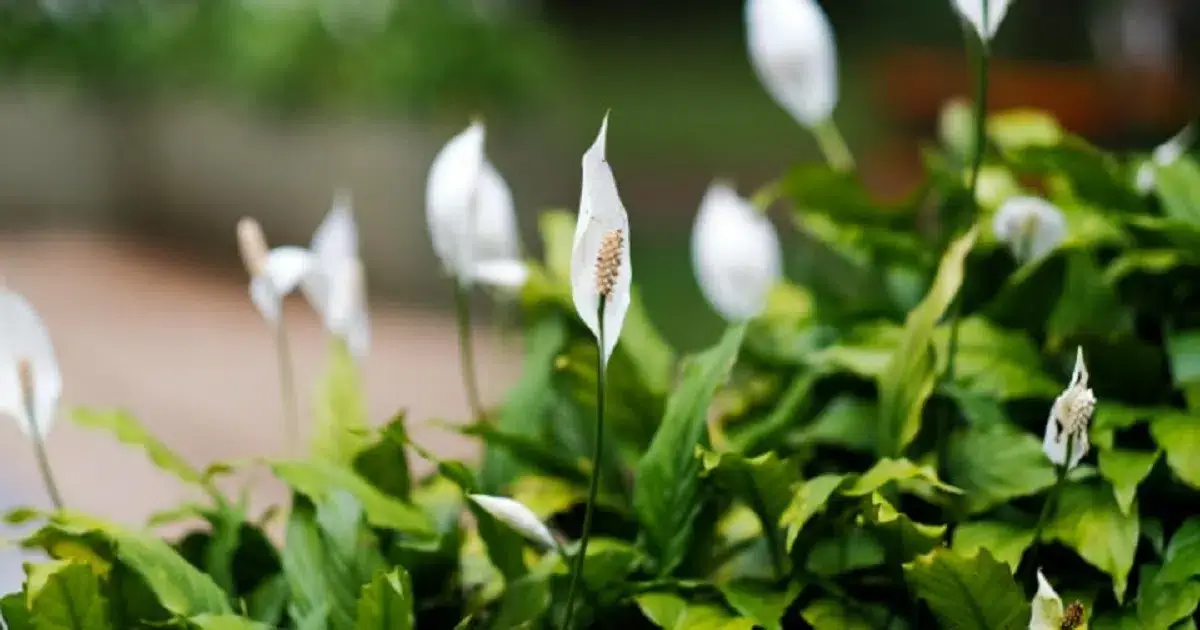
Peace lilies are loved for their lush green leaves and elegant white blooms, which is exactly why so many plant lovers keep them around. They are usually considered easy houseplants, but getting them to flower regularly can sometimes feel like a completely different challenge. A healthy peace lily may look beautiful even without blooms, but when it finally flowers, it feels like a little reward for all your care.
If your peace lily is stubborn about blooming, a few simple changes can make a big difference. The key is creating the right balance of light, moisture, temperature, feeding, and overall plant health.
Give It the Right Light
One of the biggest factors in peace lily blooming is light. These plants do best in bright, indirect light. A spot near a north-facing window often works well, or anywhere the light is filtered through a sheer curtain.
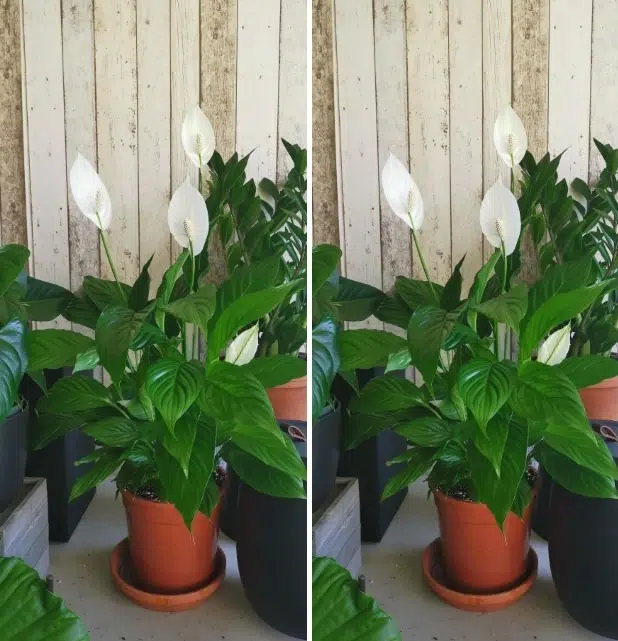
Peace lilies can survive in lower light, which is part of why they are so popular indoors, but they are much less likely to flower there. If yours looks healthy but never blooms, not enough light may be the reason.
At the same time, avoid strong direct sun, which can scorch the leaves.
Keep Temperatures Comfortable
Peace lilies prefer a warm, stable environment. They grow best in temperatures between 65°F and 80°F. Sudden temperature swings can stress the plant and reduce its chances of blooming.
Try to keep it away from:
- Cold drafts
- Exterior doors that open often
- Heating vents
- Air conditioning vents
A steady environment helps the plant focus on growth and flower production instead of recovering from stress.
Increase Humidity
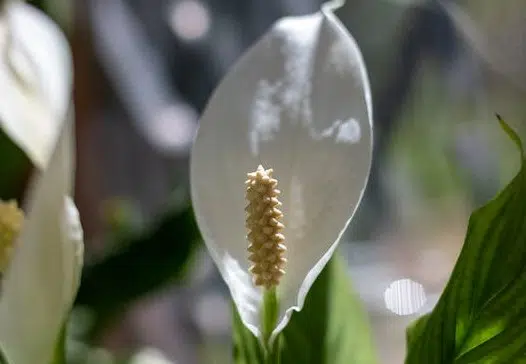
Because peace lilies are tropical plants, they appreciate higher humidity. Dry indoor air can make them less happy, especially during winter or in air-conditioned spaces.
You can raise humidity by:
- Misting the plant lightly from time to time
- Using a humidifier nearby
- Placing the pot near other plants
A more humid environment can help support healthier foliage and better blooming conditions.
Water Carefully
Peace lilies like their soil to stay evenly moist, but not soggy. Too much water can lead to root rot, which will weaken the plant and stop it from flowering. Too little water can stress the plant and slow growth.
A good rule is to check the top inch of soil. If it feels dry, it is time to water. If it still feels damp, wait a little longer.
Always make sure the pot has drainage holes so excess water can escape. Letting the plant sit in standing water is one of the fastest ways to cause problems.
Keep the Soil Moist, Not Wet
Consistency matters. Peace lilies do best when the soil stays lightly moist without becoming waterlogged.
Let the top layer dry slightly between waterings, but do not let the plant go so dry that it collapses or wilts badly. Regular, balanced watering helps keep the plant strong enough to produce blooms.
Feed It During the Growing Season
If you want more flowers, feeding can help. During spring and summer, use a balanced, water-soluble fertilizer about once a month.
Be careful not to overdo it. Too much fertilizer can damage the roots and do more harm than good. Always dilute it according to the package directions and avoid heavy feeding.
A healthy peace lily with the right nutrients is more likely to bloom than one that is underfed or overfed.
Prune and Refresh the Plant
Removing damaged or aging growth helps the plant direct its energy more efficiently. Trim away yellow or brown leaves, and remove spent blooms once they fade.
This simple cleanup keeps the plant looking better and can also encourage fresh growth.
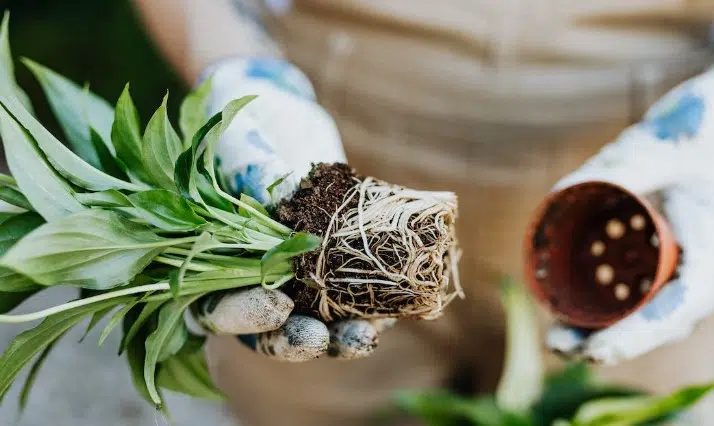
If your peace lily has been in the same pot for years, division may help too. Gently remove it from the pot, separate a few healthy root clumps, and repot them in fresh soil. Sometimes this refreshes the plant and encourages stronger growth, which may lead to flowering.
Avoid Stress
Peace lilies are not fans of sudden changes. Stress can easily interfere with blooming, even if the plant still looks mostly healthy.
Try to avoid:
- Sudden shifts in lighting
- Cold air exposure
- Big temperature changes
- Placement near ripening fruit like bananas or apples
Ethylene gas released by some fruits can affect plants, so it is better to keep them apart.
Keep the Leaves Clean
Dusty leaves cannot absorb light as effectively, which can reduce photosynthesis and weaken the plant over time. Wipe the leaves gently with a damp cloth every so often to keep them clean and able to do their job.
It is a small step, but it can help support the plant’s overall health.
The Secret to More Blooms
Getting a peace lily to flower more often really comes down to giving it the environment it prefers. Bright indirect light, steady warmth, proper humidity, careful watering, occasional feeding, and low stress all work together to support blooming.
When those needs are met, your peace lily is much more likely to reward you with those beautiful white flowers that make the plant so special in the first place.