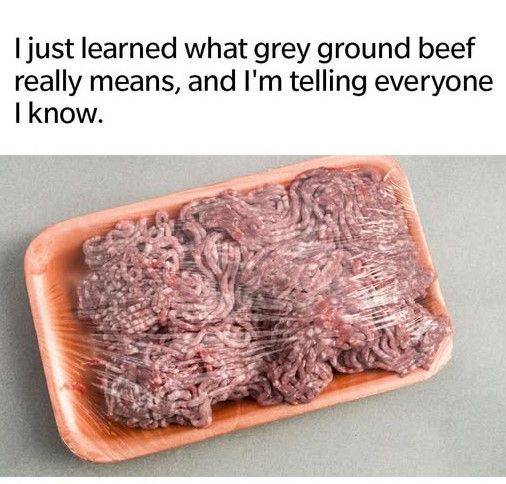
No one wants to risk getting sick from spoiled meat. This guide explains exactly how to tell if ground beef has gone bad, including whether that gray color is actually something to worry about.
Ground beef is a staple in many kitchens because it’s affordable, flexible, and works in hundreds of recipes across different cuisines. It’s easy to please both adventurous eaters and picky family members with it.
That convenience comes with a downside. Because ground beef has more surface area exposed to air, it spoils much faster than whole cuts of meat. This makes careful inspection essential before cooking.
If you’re unsure whether your ground beef is still safe to use, follow the simple steps below.
3 Ways to Tell If Your Ground Beef Is Bad
Check the Color
Color alone doesn’t always mean ground beef is unsafe. Beef contains a natural pigment called myoglobin, which delivers oxygen and iron to muscle tissue. When exposed to air, this pigment turns a bright red color. That’s why the top of packaged ground beef often looks fresh and appealing.
The beef underneath doesn’t get the same oxygen exposure, so it may turn gray. This is completely normal and safe, especially if the meat has been stored for a while or previously frozen.
However, if the surface of the beef has turned gray or brown and it has never been frozen, that’s a sign it may be spoiled. You should also discard beef showing unusual colors like white, blue, or green, which can indicate mold growth.
Smell It
Fresh ground beef has very little smell, sometimes with a faint iron-like scent. As it nears its expiration date, a mild odor may develop.
If the smell is strong, sour, or rotten and makes you instinctively pull away, the meat is no longer safe. A bad odor is one of the clearest indicators of spoilage, especially when combined with changes in color or texture. When in doubt, it’s safer to throw it out.
Notice the Texture
The biggest safety concern with ground beef is bacteria like Salmonella and E. coli. These bacteria don’t always change the smell or color of the meat, which is why texture matters. Fresh ground beef should feel firm and spring back when pressed. When squeezed, it should crumble easily.
If the beef feels slimy, sticky, or tacky and doesn’t fall apart naturally, it has likely gone bad and should not be eaten.
What Happens When You Eat Bad Ground Beef
Eating spoiled ground beef can lead to food poisoning caused by harmful bacteria that grow when meat is improperly stored or past its prime.
Common symptoms include stomach cramps, abdominal pain, vomiting, diarrhea, chills, and fever. These symptoms can appear anywhere from one hour to 72 hours after eating contaminated meat and usually last several days.
Foodborne illness can be especially dangerous for young children, older adults, and people with weakened immune systems. If there’s any doubt about safety, throwing the meat away is the best choice.
How to Handle Ground Beef
Proper handling and storage are the best ways to prevent ground beef from going bad. At the store, choose packages that feel cold, have no tears or leaks, and contain bright red meat. Always check the expiration date before purchasing.
Once home, refrigerate the ground beef immediately. Store it on the bottom shelf in a sealed bag or container to prevent raw juices from contaminating other foods. Use or freeze the meat by the expiration date.
Ground beef thawed in the refrigerator is safe for up to two days. If thawed in the microwave or cold water, it should be cooked right away.
For safe consumption, ground beef should be cooked to an internal temperature of 160°F. Serve it immediately or refrigerate leftovers within two hours. When stored properly in airtight containers, cooked ground beef will keep for three to four days.