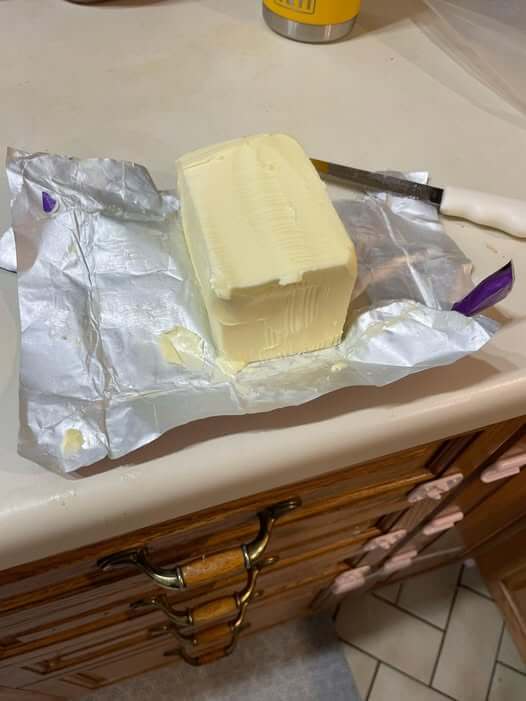
Butter is one of those kitchen essentials we all love — perfect for toast, baking, cooking, and adding rich flavor to almost any dish. But many people wonder whether it’s truly safe to keep butter at room temperature instead of in the fridge. The good news? Yes, butter can safely sit on the counter, as long as it’s stored properly and your kitchen conditions are reasonable.
Butter is mostly made of milk fat, and its low moisture content makes it less welcoming to bacteria. Since harmful microbes need moisture to multiply, butter’s dryness naturally slows bacterial growth. That’s why it can remain safe outside the refrigerator when handled correctly.
How Long Does Butter Last on the Counter
How long butter can stay at room temperature depends on your kitchen environment. In most homes, if the temperature stays below 70°F (21°C), butter can safely remain on the counter for up to a week. In warmer conditions, it’s better to limit that time to just a few days. Always keep butter covered or sealed in an airtight container so it doesn’t absorb odors or flavors from nearby foods.
To keep countertop butter fresh and safe, follow these simple tips:
Butter Dish: Use a covered butter dish to protect it from dust, air, and contaminants while keeping it soft and spreadable.
Cool and Dry Location: Store butter away from heat, sunlight, and appliances that generate warmth to maintain freshness longer.
Use a Butter Bell: A butter bell (or butter crock) creates a protective seal with water, helping preserve flavor and block outside odors.
Speeding Up the Softening of Cold Butter
If your butter is refrigerated and you need it softened quickly, there are easy and effective methods:
Microwave Method: Slice butter into small pieces and microwave at low power in short bursts until it becomes soft but not melted. Watch closely to prevent overheating.
Grating Method: Use a box grater to shred cold butter into thin pieces. The increased surface area helps it soften faster at room temperature.
How to Tell If Butter Has Gone Bad
Even though butter lasts well, it can still spoil over time. Watch for these warning signs:
Off Odor: Rancid or sour smells mean the butter is no longer fresh. Good butter should smell light and creamy.
Off Taste: If a small taste reveals bitterness or sourness, it’s time to throw it away.
Mold or Discoloration: Any mold growth, dark spots, or unusual color changes mean the butter is unsafe to eat.
If you’re ever unsure, trust your senses — smell, taste, and appearance can tell you when butter has gone bad and should be discarded.
Leaving butter on the counter can be both safe and convenient when done properly. By understanding why butter holds up at room temperature, how long it lasts, the best storage methods, and how to spot spoilage, you can enjoy soft, spreadable butter with confidence — and keep your kitchen both practical and food-safe.

