I’ll never forget the first time I had to deal with a clogged sink.
It was a cold, rainy Saturday morning in my very first apartment. I was feeling wildly accomplished about living on my own—until I noticed the kitchen sink wasn’t draining. The water just sat there. Staring at me.
That’s the day I learned about something called a P-trap—a tiny plumbing hero I had completely ignored up until that moment.
The Sink Disaster That Led to a Plumbing Lesson
There I was, in pajamas, armed with a plunger and confidence I absolutely did not deserve. After several failed attempts and rising frustration, I did what most of us eventually do.
I called my dad.
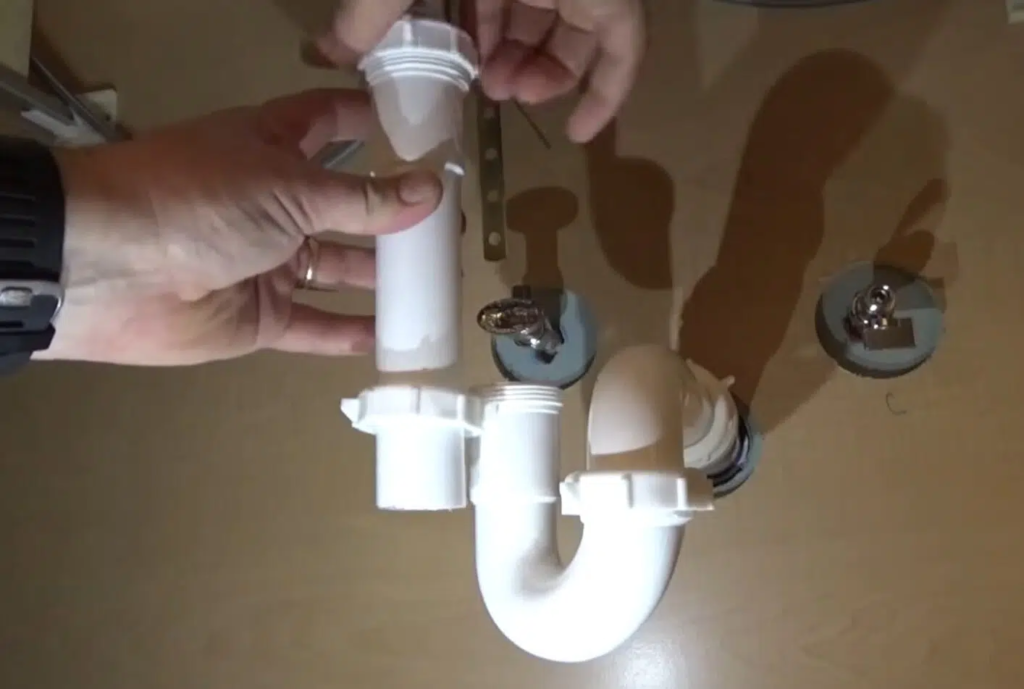
Over the phone, he walked me through what felt like an under-sink obstacle course. “See that curved pipe?” he asked.
“That’s the P-trap.”
And just like that, I had a new vocabulary word—and a plumbing mission.
What Is a P-Trap, Exactly?
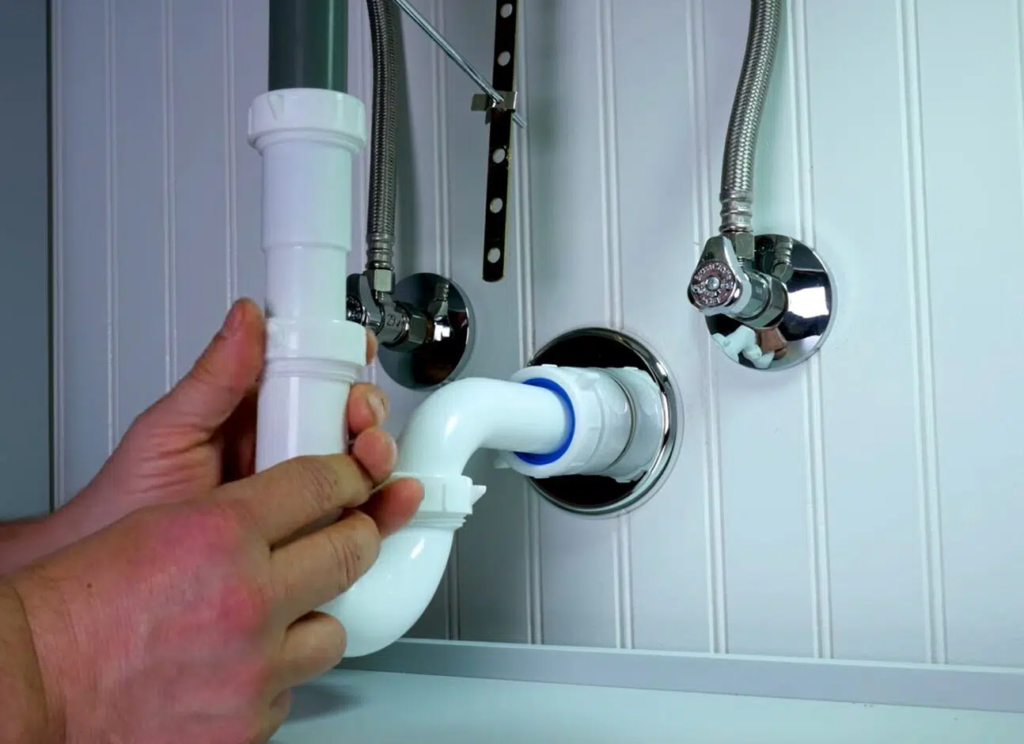
If you’ve ever looked under your sink, you’ve probably noticed that curved pipe beneath the drain. That’s the P-trap.
It serves two major purposes:
- Catches debris (like food scraps, hair, and other gunk) before it can clog deeper pipes
- Blocks sewer gases from rising back up into your home
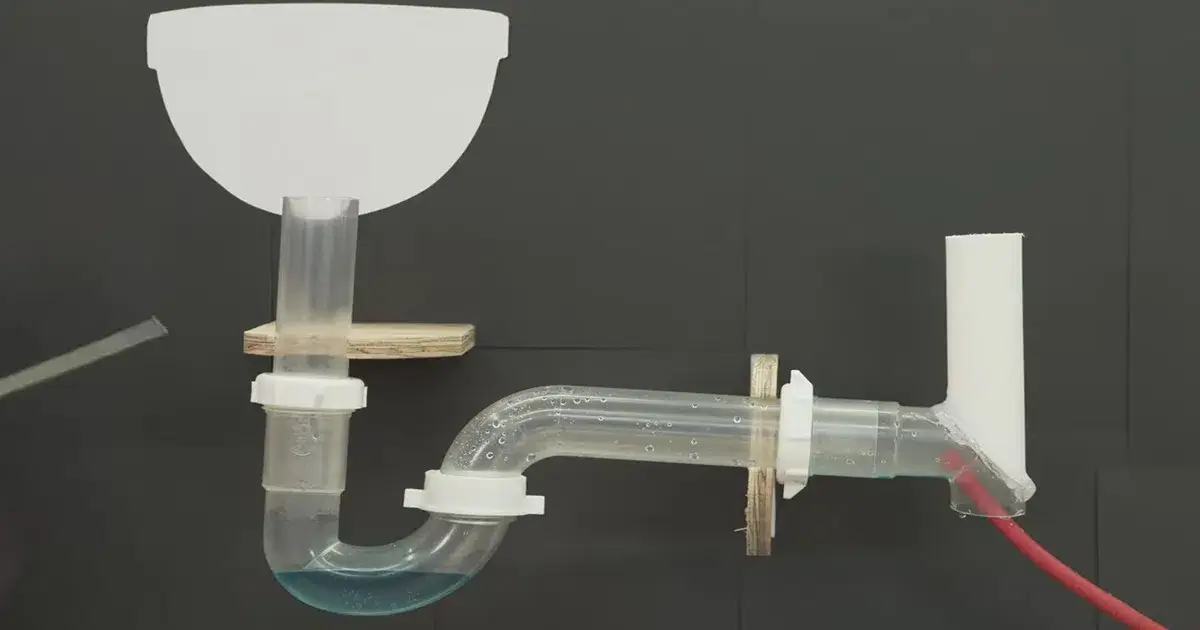
That second job is the really important one. The curved part of the pipe always holds a small amount of water. That water acts like a seal, preventing unpleasant (and potentially harmful) sewer gases from coming back up through the drain.
Pretty clever for a simple pipe.
So… What Does the “P” Stand For?
Here’s the part that surprises people:
The “P” doesn’t stand for plumbing.
It doesn’t stand for pressure.
It doesn’t stand for anything technical at all.
It simply refers to the shape of the pipe.
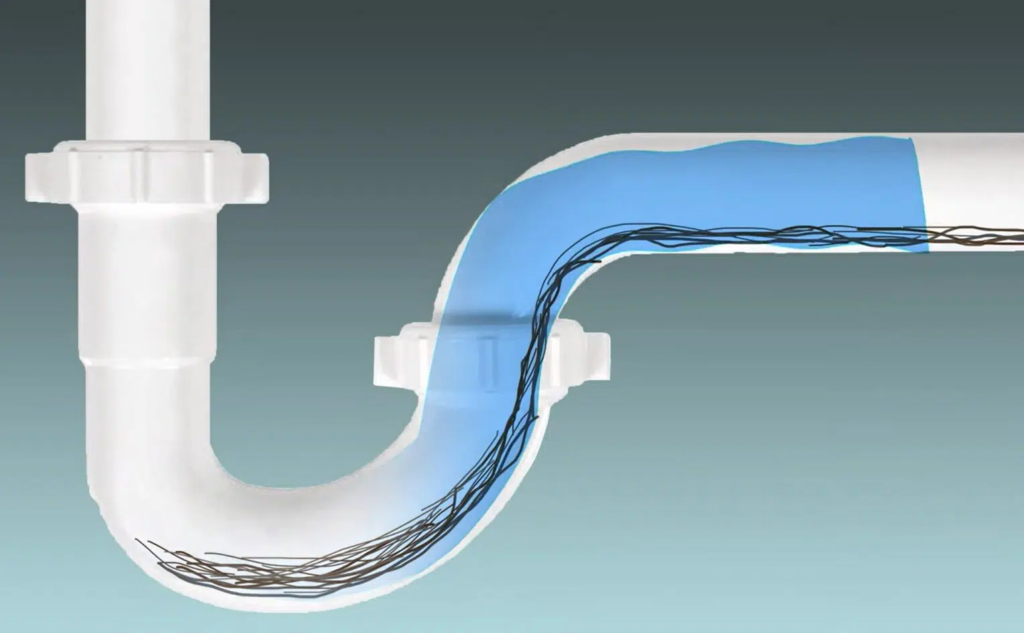
When viewed from the side, the pipe forms a shape that looks like the letter “P.” You have:
- A vertical pipe coming down from the sink
- A curved U-shaped bend
- A horizontal pipe extending into the wall
Together, that layout resembles a sideways “P.”
It’s not flashy naming—but it’s accurate.
The Moment It All Clicked
When my dad explained that the name was literally about the shape, it felt like a tiny lightbulb went off. Plumbing suddenly seemed less mysterious and more logical.
That curved pipe wasn’t random. It had structure. It had purpose. It had a name that actually made sense.
The Messy (But Empowering) Part
With some hesitant confidence and a lot of instructions shouted over the phone, I eventually unscrewed the P-trap.
Let’s just say… it was full.
Grease. Food bits. Things I chose not to identify.
It wasn’t glamorous, but once I cleaned it out, reattached it, and watched the sink drain perfectly, I felt like I’d climbed a mountain.
There’s something weirdly empowering about fixing a problem you didn’t even understand an hour earlier.
The Next Time Your Sink Clogs
If you ever find yourself staring at a stubborn sink full of water, take a breath.
That curved little pipe under there—the P-trap—is usually your first checkpoint. It’s designed to catch the mess before it becomes a bigger issue.
With a little patience (and maybe a call to someone who knows their way around a wrench), you can probably handle it yourself.
And who knows? One day you might be the one explaining to someone else what the “P” in P-trap really means—passing down plumbing wisdom like it’s a family heirloom.

