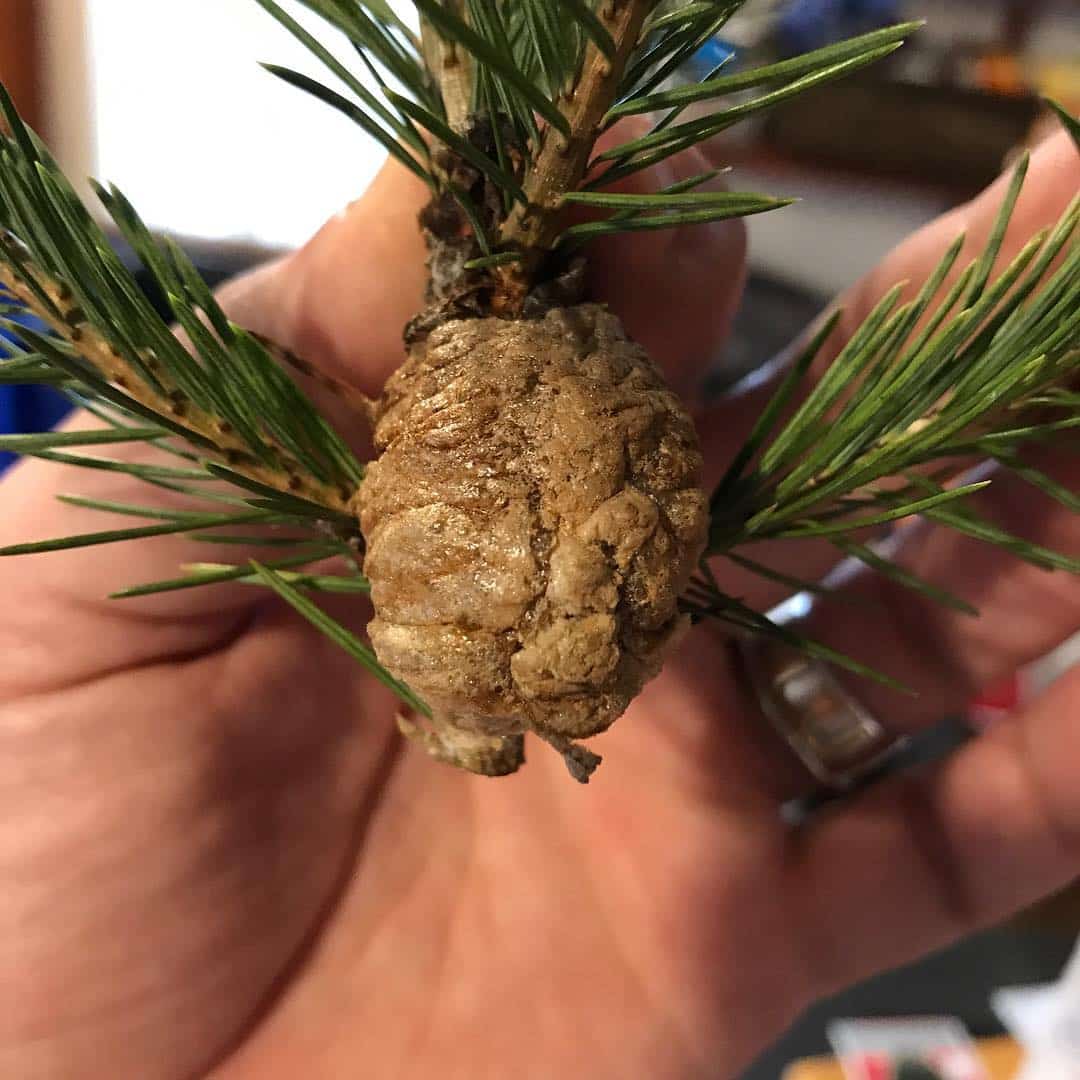
Yes, you read that right—people have occasionally spotted praying mantis eggs in Christmas tree branches. But before you panic, let’s break down what’s really going on.
If you water or decorate your Christmas tree, you probably know its branches intimately by now. Maybe you’re careful with certain branches holding delicate ornaments, or perhaps you’ve had a few scratches from the needles. Either way, you’d notice anything unusual. And by unusual, I don’t mean sap or a stray cobweb. I mean tiny egg masses from insects like praying mantises. It happens, but it’s extremely uncommon.
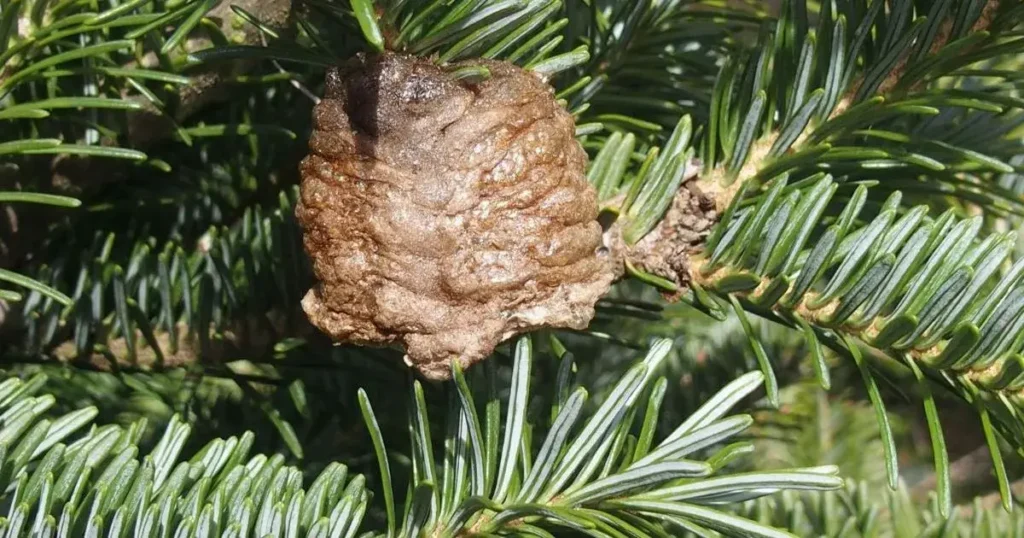
Do Praying Mantises Lay Eggs on Christmas Trees?
The short answer: yes, it’s possible. The long answer: it’s incredibly rare.
Real Christmas trees grow outdoors and can attract various insects and wildlife. Tree farmers take precautions to minimize pest problems, ensuring that your holiday centerpiece arrives mostly pest-free. According to Snopes, the odds of a tree carrying any insect pest are roughly 1 in 100,000—and the odds of a praying mantis egg mass being present are far smaller. The National Christmas Tree Association even confirms that finding praying mantis eggs in your tree is “very rare.”
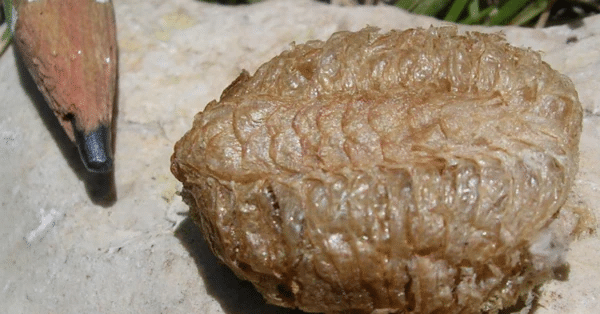
What to Watch For
If you’re still a little uneasy, you can check your tree. Praying mantis egg masses look a bit like small walnuts clinging to the branches. Should you find one, simply snip it off with pruners and place it safely in your garden—it’s harmless and even helpful for controlling other insects. Always give your tree a quick check before moving or transporting it to avoid surprises.
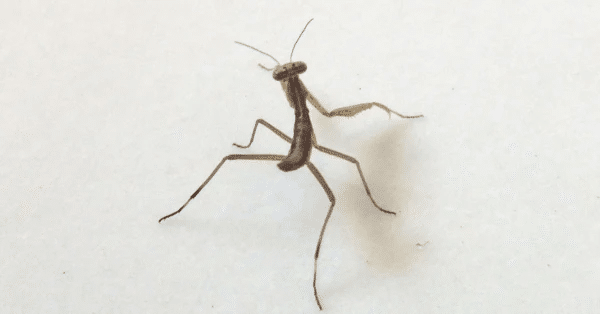
So while the idea of bringing home a tiny insect army with your Christmas tree sounds spooky, the reality is that it’s an extremely uncommon occurrence. Enjoy your tree, decorate with confidence, and remember: spotting a praying mantis egg is the exception, not the rule.

