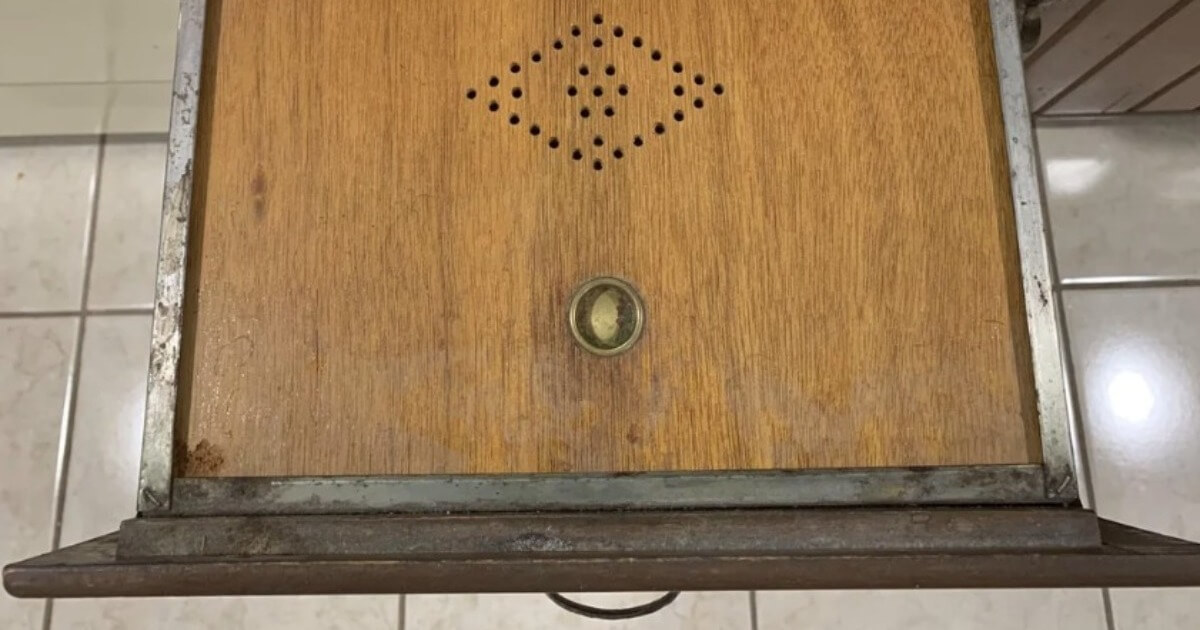
There’s something about the smell of fresh bread in a kitchen that instantly brings back memories. Maybe you can picture a loaf tucked inside a metal or wooden breadbox, sitting out in plain sight yet somehow keeping the bread fresher for longer. For many families, the breadbox was once a standard part of everyday kitchen life—a small household feature that served a much bigger purpose than most people realized.
When I moved into a newer house and noticed a built-in breadbox near the sink, it immediately took me back to my grandmother’s kitchen. Her breadbox was always filled with something good—homemade rolls, bakery bread for an afternoon snack, or slices ready to be toasted with morning tea. It sat quietly in the corner, doing its job without much attention, yet it somehow made the whole kitchen feel more welcoming.
It was more than just a place to store bread. It felt like part of the rhythm of home.
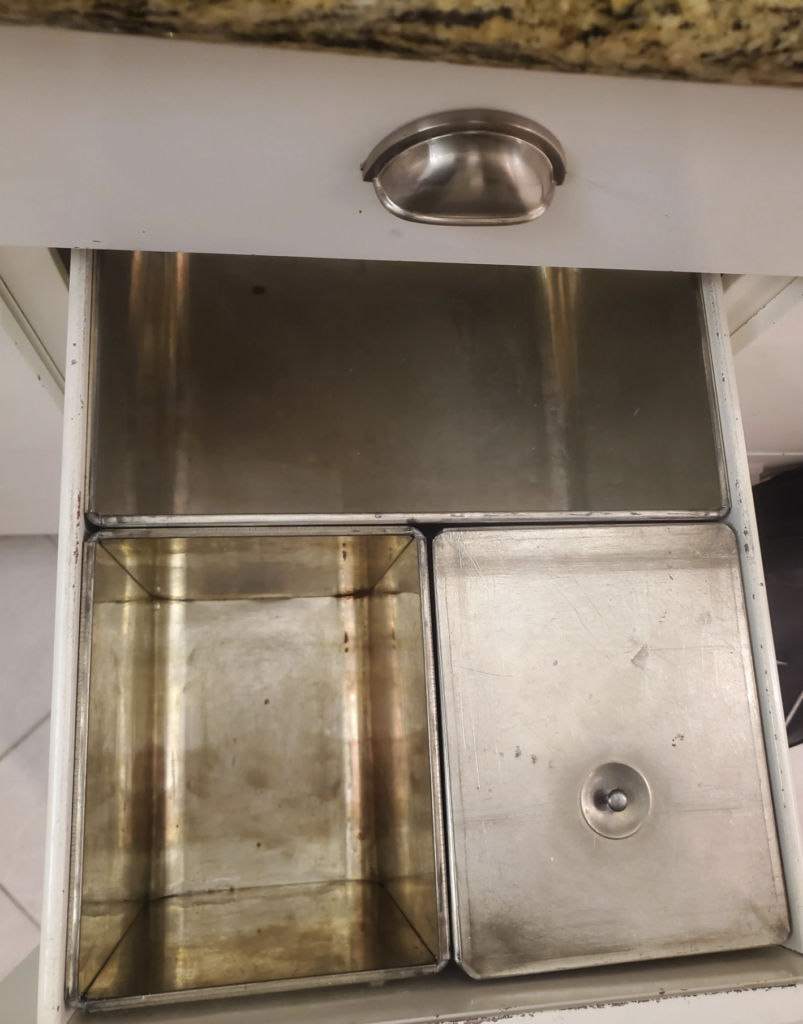
Why Breadboxes Became So Common
Breadboxes became a familiar sight in American kitchens during the middle of the 20th century. Before plastic wraps, preservatives, and modern packaging made everything last longer, bread needed a proper place to be stored. Homemade loaves and bakery bread could go stale quickly if left out, but sealing them too tightly created moisture and invited mold.
That’s where the breadbox came in.
Its design was simple but effective. It allowed enough airflow to help prevent mold while still protecting the bread from drying out too fast or attracting pests. In other words, it struck the right balance—keeping bread fresh without ruining the crust or texture.
For households that baked regularly or bought bread from local bakeries, it was a practical solution that quickly became a kitchen essential.
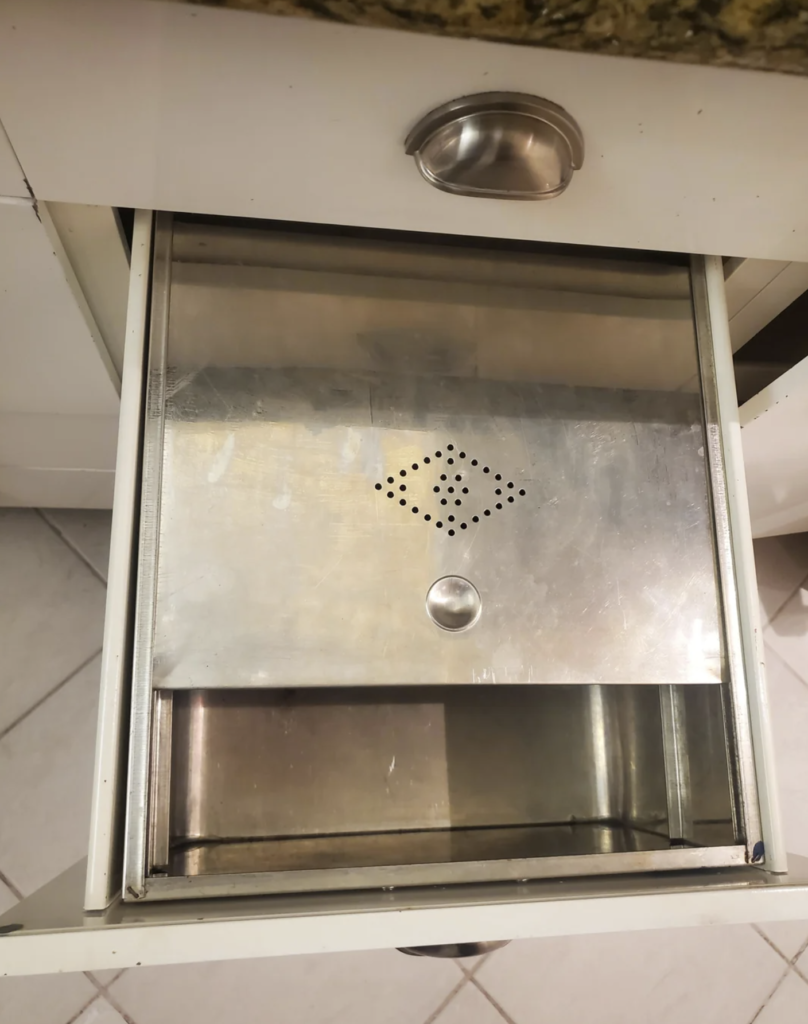
A Natural Fit for Midcentury Kitchens
From the 1950s through the 1980s, breadboxes were often made from wood or metal, and built-in versions became especially popular. These were commonly worked into the kitchen cabinetry, often near the sink or food prep area, where they would be easy to reach while cooking.
As home design evolved, especially during the 1980s, built-in breadboxes became even more appealing. They saved counter space, blended neatly with the cabinets, and added both convenience and visual charm to the kitchen. They were functional without standing out too much, which made them feel like a thoughtful part of the room rather than an extra accessory.
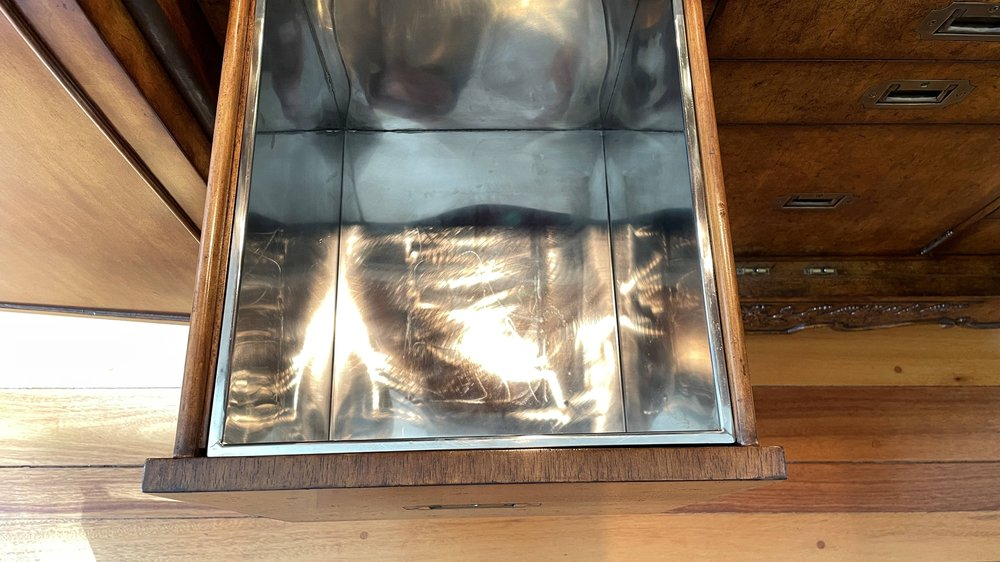
What Breadboxes Say About Everyday Life Back Then
A built-in breadbox tells a story about a different kind of domestic routine. It points to a time when daily life revolved more around cooking at home, planning meals, and paying attention to small practical details.
Back then, the breadbox was simply part of the day. You woke up, made breakfast, prepared lunch, or set the table for dinner—and there it was. Grabbing a loaf, slicing bread, or pulling out rolls for the family was part of a familiar household rhythm.
That’s part of what makes breadboxes feel so nostalgic now. They represent a period when kitchens were not just places to prepare food quickly, but spaces where family life unfolded. Meals were made with more intention, and even something as ordinary as bread storage had its own proper place.
Why They Slowly Disappeared
As packaged foods became more common in the 1990s and beyond, breadboxes gradually faded from everyday use. Bread started arriving in packaging designed for longer shelf life, and many families no longer needed a dedicated storage space for fresh bakery loaves or homemade bread.
With changing habits and changing kitchen styles, the breadbox became less of a necessity. But that doesn’t make it any less meaningful.
In fact, seeing one today can feel surprisingly special.
The Charm of Finding One Today
Modern kitchens often focus on sleek finishes, stainless steel appliances, and minimal clutter. So finding an old built-in breadbox still intact can feel like discovering a little piece of domestic history.
It’s a reminder of a time when kitchens were built around everyday practicality and quiet routines. Even if it is no longer used for bread, it still brings warmth and character to the space. Some people use them for baked goods, others for kitchen tools, snacks, or simply as a charming original detail worth preserving.
For those lucky enough to still have one, a built-in breadbox is more than an old cabinet feature. It’s a connection to a time when home life centered more around shared meals, fresh food, and the simple habits that made a kitchen feel lived in.
So the next time you spot one in an older home or tucked away in a thrift store, take a second look. It may seem like a small detail, but small details are often the ones that carry the strongest memories.