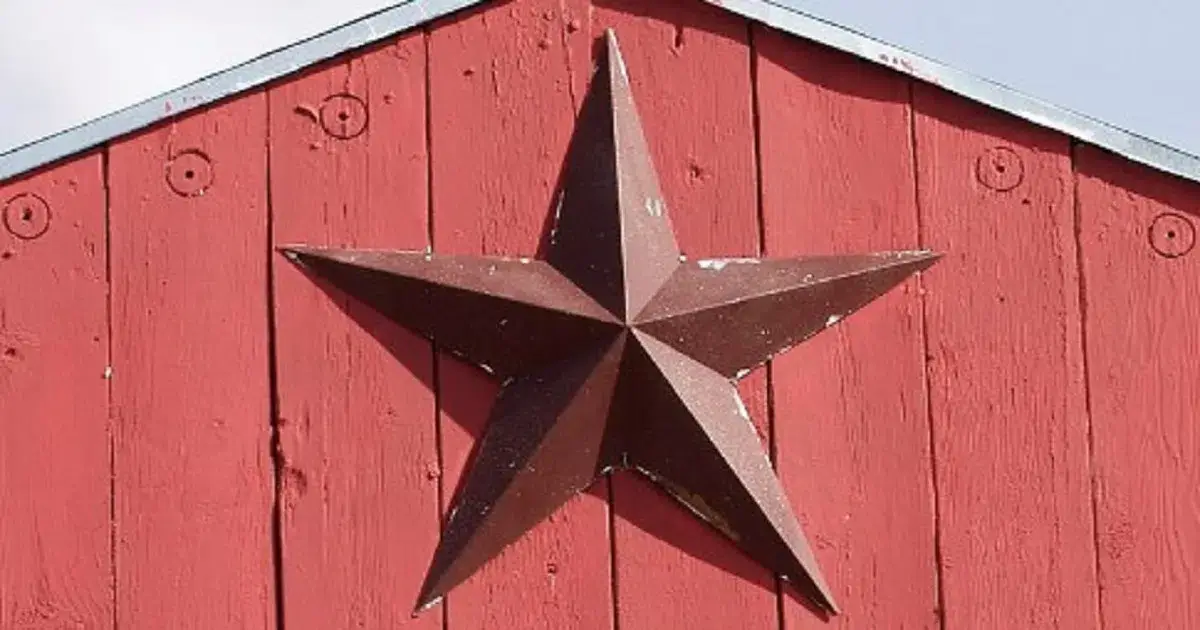
Have you ever driven past an old farmhouse or barn and noticed a large five-pointed star mounted above the door or tucked into the gable? They look charming, a bit weathered, and full of old-country character. You see them all over rural areas, especially in the eastern United States. At first glance, they might seem like simple decorations — but many people wonder if there’s a deeper meaning behind these so-called barn stars.
These stars have been around for generations, and depending on the region, they go by different names. Some call them barn stars, Amish stars, hex signs, or even barn quilts — though not all of these are exactly the same. While interpretations vary, the common themes tied to barn stars usually include good luck, protection, heritage, and identity.
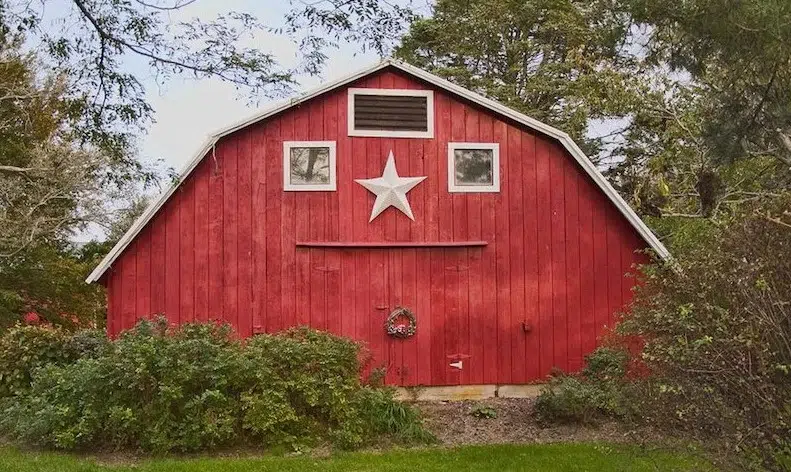
Historically, barn stars carried more significance than just rustic charm. In the 18th and 19th centuries, especially among the Pennsylvania Dutch (who were actually of German origin), these symbols were believed to offer spiritual or symbolic protection. Many saw them as a form of folk tradition — a quiet way to safeguard livestock, crops, and property from misfortune. Not dramatic magic, but more like a steady symbol meant to keep negativity away.
Color also played an important role in the meaning of barn stars. Red was often associated with strength, passion, and luck. Blue symbolized peace and stability. Green represented fertility, growth, and prosperity — perfect for farms and gardens. Black was commonly linked to protection, while white suggested purity, faith, or spiritual balance. These color choices weren’t random — they often reflected beliefs, values, or hopes for the household.

Beyond color, some people believed the patterns and designs of the stars carried meaning as well. More detailed designs, especially hex-style patterns, could represent blessings, faith, cultural expression, or artistic storytelling. Whether they were viewed as spiritual symbols, folk art, or decorative craftsmanship often depended on personal belief and tradition.
Over time, barn stars also became personal markers of pride and identity. Families sometimes treated them like a signature — a way to show craftsmanship, ownership, and a sense of home. Hanging a star on a barn could quietly say, “This is our land. This is our legacy.” It became a visual expression of belonging and heritage.
Today, barn stars have found their way far beyond farms. You’ll spot them on suburban porches, garden sheds, patios, and home interiors. They’ve become a trendy piece of rustic décor, embraced for their cozy, vintage appeal. While most people no longer hang them for spiritual protection, they still carry a comforting sense of tradition, nostalgia, and connection to the past.
There’s something beautiful about how barn stars have evolved — from protective folk symbols to beloved decorative icons. Even as they gain popularity on social media and home décor boards, they remain tied to their roots. A simple painted star on weathered wood can still whisper stories of history, hope, craftsmanship, and family pride.
So the next time you notice one — whether on a quiet country barn or above a suburban garage — pause for a moment. That star might not just be decoration. It could be a silent storyteller, carrying echoes of luck, tradition, resilience, and that timeless human desire to leave a meaningful mark behind.

