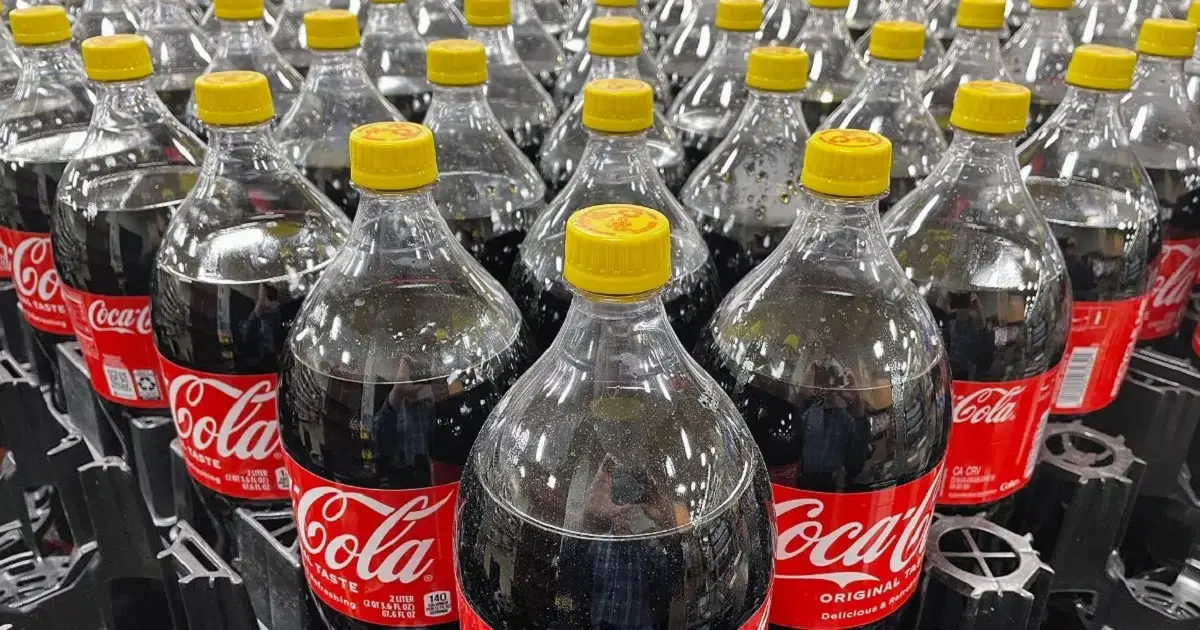
You’re walking through the grocery store, minding your business, reaching for your usual Coke—when something catches your eye.
The cap is yellow.
Not the classic red. Not black. Not a seasonal promotion splash. Just a bright yellow cap, like your soda suddenly decided to accessorize. If you’ve never seen it before, it’s easy to assume it’s a limited edition or a random packaging change.
It isn’t.
That yellow cap has a purpose—and the story behind it involves tradition, religious observance, and a very specific kind of sugar swap.
Coca-Cola Isn’t Guessing With This Stuff
Coca-Cola has been around since the late 1800s, and by now it knows exactly what it’s doing. Even tiny changes to its packaging tend to be deliberate.
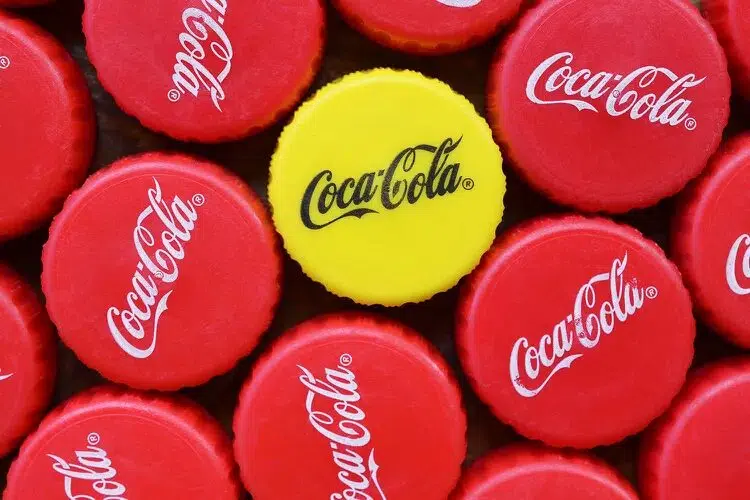
The yellow cap is one of those quiet changes that isn’t really about marketing at all. It’s more about making sure a specific group of people can buy the product during a specific time of year—without having to overthink it.
The Yellow Cap Is for Passover Coke
That yellow cap usually means you’re looking at Coca-Cola made for Passover.
Passover is a Jewish holiday observed in the spring, lasting seven or eight days depending on tradition and location. During Passover, many observant Jews avoid something called chametz—leavened foods and products connected to certain grains that have fermented.
But there’s another category that matters here too: kitniyot.
Kitniyot commonly includes foods like rice, legumes, and—most importantly for this story—corn. Many Ashkenazi Jews (those with Eastern European heritage) avoid kitniyot during Passover.
And that’s where regular Coke runs into a problem.
The Issue: High-Fructose Corn Syrup
Most Coca-Cola sold in the U.S. is sweetened with high-fructose corn syrup.
Corn syrup = corn.
And for many Passover observers who avoid corn-based ingredients, that means standard Coke isn’t considered acceptable for the holiday.
So Coca-Cola produces a special run sweetened with cane sugar instead.
No corn syrup. Just sucrose.
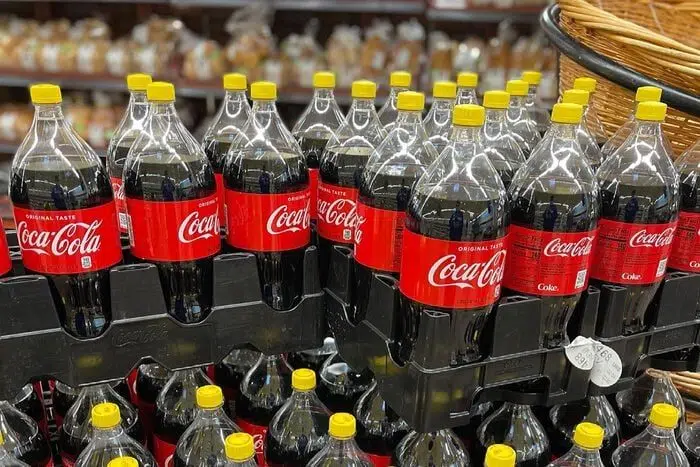
And the easiest way to signal that change without redesigning everything? A bright, obvious cap color.
Hence: the yellow cap.
Does Yellow-Cap Coke Taste Different?
A little—at least to some people.
Fans of soda love debating the difference between high-fructose corn syrup and cane sugar. It’s the same argument you’ll hear about “Mexican Coke,” which is also typically sweetened with cane sugar. People describe it as smoother, cleaner, less “artificial,” or just slightly different in sweetness.
Other people swear it tastes the same.
Either way, the point of the product isn’t to scream “special edition.” It’s meant to still taste like Coke—just made with a different sweetener for a specific need.
And plenty of shoppers buy the yellow-cap version purely because they like the flavor, even if they have no idea what Passover is.
Is It More Expensive?
Usually, no.
And that’s part of what makes the whole thing feel surprisingly low-key. It’s not treated like a collectible run or a premium “exclusive.” It’s just Coke, packaged with a clear signal for the people who are specifically looking for it.
Where You’re Most Likely to Spot It
Yellow-cap Coke tends to show up in areas with larger Jewish communities, and it typically appears a couple of weeks before Passover—then quietly disappears afterward.
If you blink, you can miss it.
But if you know what you’re looking for, that flash of yellow becomes instantly recognizable.
The Cap Is a Label… and a Small Symbol
Functionally, it’s a quick identifier: “This one is made with cane sugar for Passover.”
But it’s also a small gesture that a lot of people notice and appreciate. It’s not a loud announcement. It’s not a big campaign. It’s just a subtle, practical accommodation hiding in plain sight.
For some families, it’s even a seasonal moment: Oh, the yellow caps are back.
So If You See a Yellow Cap, Now You Know
It’s not random packaging.
It’s not a new flavor Coke forgot to advertise.
It’s a version made to avoid corn syrup so more people can enjoy it during Passover—simple, quiet, and surprisingly thoughtful.
And yes, there’s probably someone out there buying a whole case purely because they’re convinced it tastes better.
Honestly? Not the worst reason.
If you spot one, grab it, drink it cold, and enjoy the tiny burst of meaning sitting right on top of the bottle.

