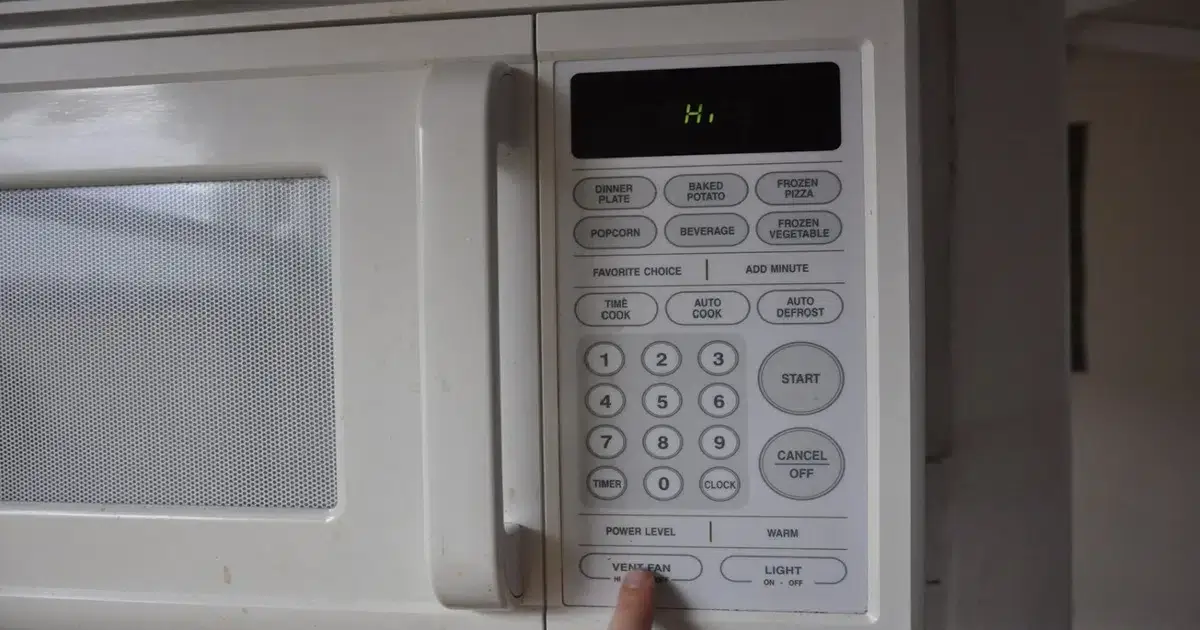
The microwave is one of those kitchen appliances that makes everyday life so much easier. It’s quick, convenient, and always ready when you need to heat up leftovers or throw together a fast meal. But a lot of people use it the same way every single time—by pressing a few numbers and letting it run at full blast.
The problem is, that’s not always the best way to cook or reheat food.
One of the most overlooked microwave features is the power-level button. Some people only associate it with preset functions or barely notice it at all, but it can make a huge difference in how your food turns out. Once you start using it properly, your microwave becomes much more than a basic reheating machine.
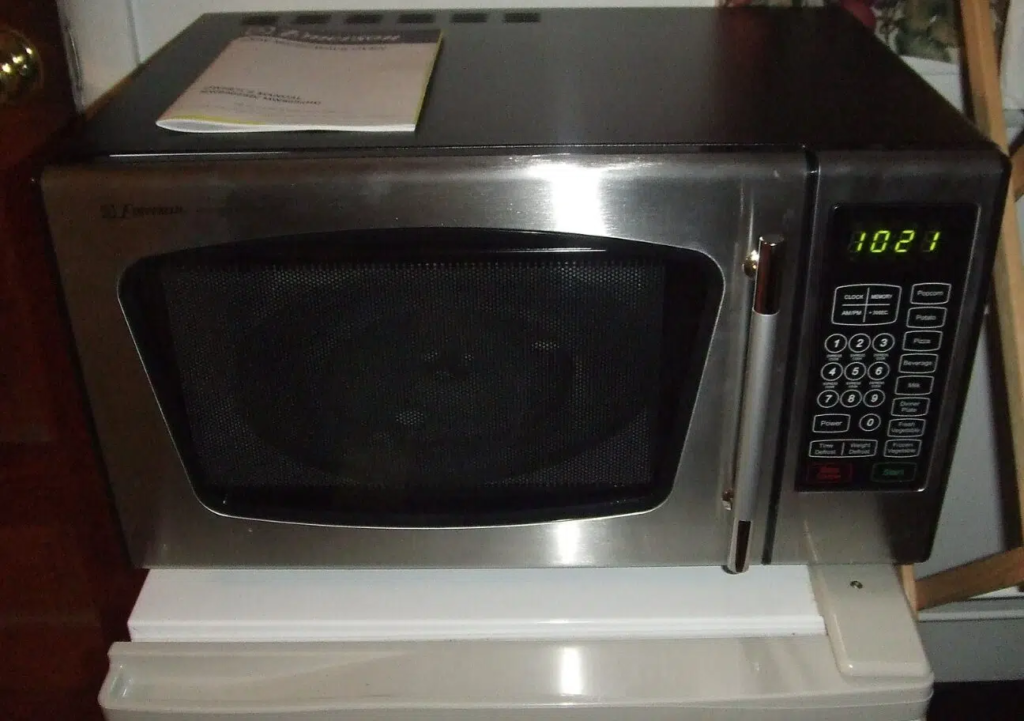
What the Power-Level Button Actually Does
The power-level button lets you control how intensely your microwave cooks food. Instead of heating everything at maximum strength, you can lower the cooking power to suit what you’re making.
Think of it like adjusting the flame on a stove. Sometimes high heat is exactly what you want, but other times a gentler setting gives you much better results. The same idea applies here.
Using the right power level helps food cook more evenly and can prevent many of the common microwave problems people complain about.

How It Works
Microwaves heat food by sending electromagnetic waves into it, which excite the water molecules inside. That movement creates heat.
When you lower the power level, the microwave does not simply become weaker in a continuous way. Instead, it cycles on and off. So if you set it to 50% power, it runs at full strength for part of the time and pauses for the rest. That stop-and-start pattern gives the heat more time to spread through the food.
The result is gentler, more even cooking.
That can be especially helpful for foods that usually end up overcooked on the outside and cold in the middle.

Why This Button Matters So Much
If you have ever reheated chicken only to end up with dry, rubbery edges and a chilly center, you already know why this button matters. The same goes for leftover pasta, pizza, casseroles, and other foods that can turn soggy, uneven, or just plain disappointing in the microwave.
Using a lower power level helps heat move through the food more gradually. That means better texture, more even warmth, and fewer ruined leftovers.
It can also be a big help when working with delicate foods that do not respond well to aggressive heat, such as fish, chocolate, or butter.

How to Use the Power-Level Setting
Most microwaves make this pretty simple. In many cases, you press the Power Level button and then enter a number from 1 to 10. Each number corresponds to a percentage of full power.
For example:
- Press 5 for 50% power
- Press 7 for 70% power
- Press 3 for 30% power
Some models may show percentages instead of numbers, but the idea is the same.
Once you get used to it, adjusting the power level only takes a few extra seconds and can noticeably improve the end result.
Best Power Levels for Different Foods
Low Power (10% to 30%)
Low power works best for gentle tasks that need control rather than speed.
This is a great setting for:
- Softening butter
- Defrosting meat
- Melting chocolate
At low power, butter softens instead of instantly liquefying, chocolate melts more smoothly, and frozen meat has a better chance of thawing without cooking around the edges.
Medium Power (40% to 60%)
Medium power is ideal for foods that need steady, even heating.
It works well for:
- Reheating leftovers
- Cooking dense vegetables like potatoes
- Warming soups and stews
- Heating casseroles
This setting is especially useful when you want food heated through without drying it out or creating hot and cold spots.
High Power (70% to 100%)
High power is still useful for fast, straightforward microwave tasks.
It’s best for:
- Boiling water
- Cooking frozen meals
- Heating drinks
- Making popcorn
When speed matters and the food can handle intense heat, high power does the job well.
Why It Can Change the Way You Use Your Microwave
The power-level button can completely change how your microwave performs in everyday cooking.
A piece of fish cooked at a medium power level can come out moist and tender instead of dry and overdone. A slice of lasagna reheated more gently is far more likely to warm evenly, with melted cheese and a properly heated center instead of scorching edges and a cold middle.
That small adjustment gives you more control, and that control leads to better food.
A Small Change That Makes a Big Difference
The power-level button is one of the simplest ways to get more out of your microwave. It helps you avoid common reheating disasters, improves texture, and gives you a better shot at evenly cooked meals.
Low power is perfect for delicate foods and defrosting. Medium power works beautifully for leftovers and slower reheating. High power still has its place for quick cooking jobs.
So the next time you use your microwave, do not just default to full power. Try changing the setting based on what you are heating.
You may be surprised by how much better your food turns out.