Salmon is a regular in my house. It’s one of those reliable, everyone’s-happy dinners—grilled with lemon, baked with herbs, glazed with teriyaki… you really can’t go wrong.
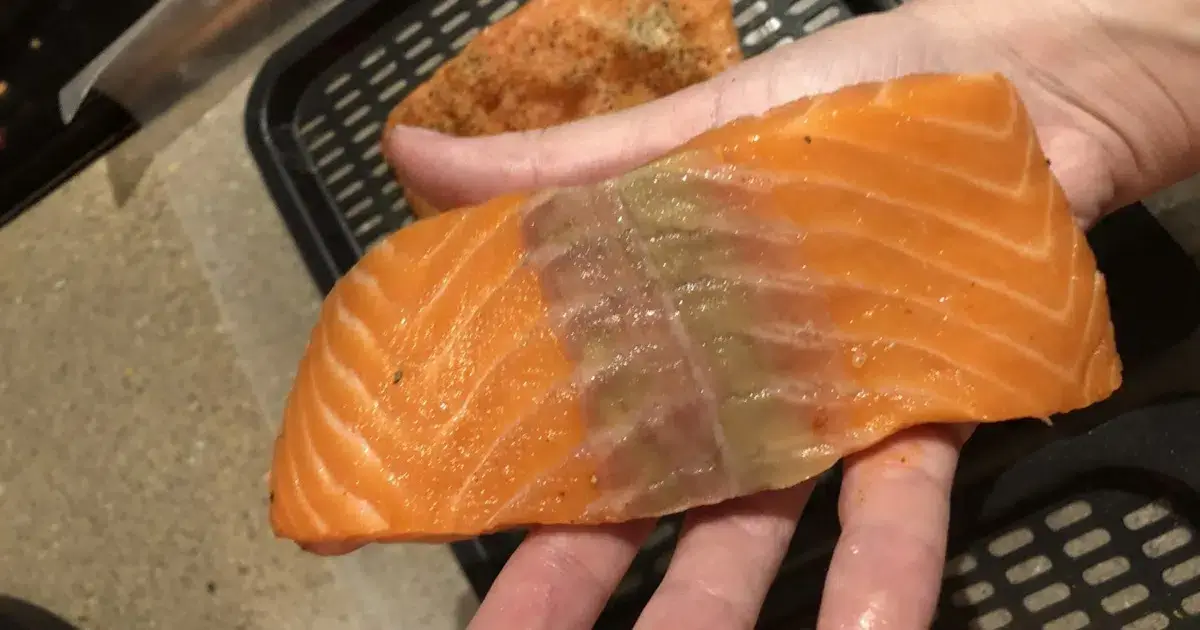
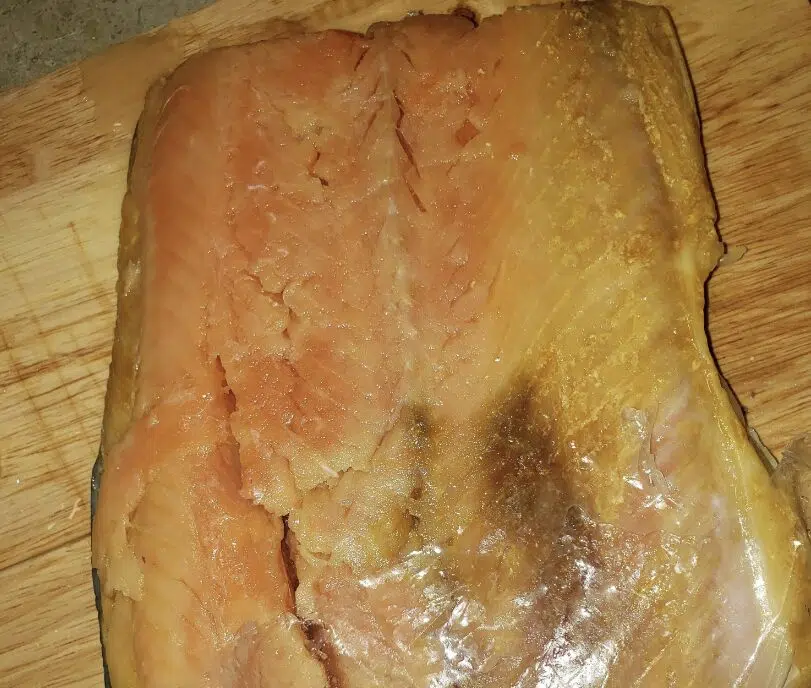
So the other day, I pulled a gorgeous fillet from the freezer, let it thaw, and then stopped cold when I saw it: a weird yellowish tint on the flesh.
My first thought was, “Uh… what is that? And are we about to waste dinner?”
Salmon is supposed to look pink and fresh. Yellow patches are not part of the mental picture. I immediately started replaying everything in my head—how long it had been in the freezer, how it was wrapped, whether it could’ve spoiled without me realizing it.
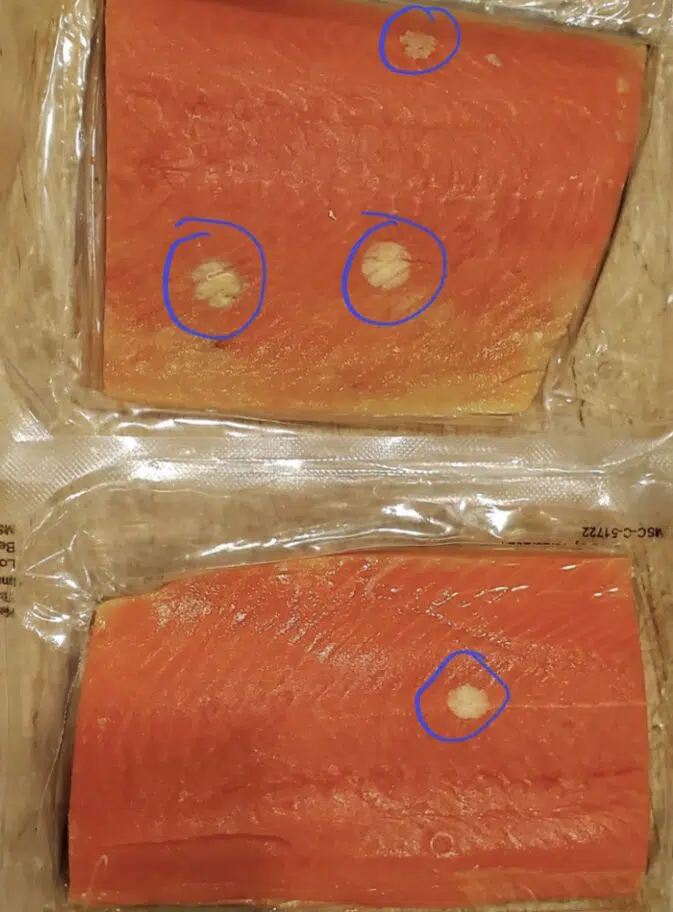
After a deep dive into seafood safety (and, yes, a lot of frantic Googling with coffee), I learned something comforting: yellow discoloration on defrosted salmon isn’t automatically a disaster. Here’s what’s usually going on.
Understanding Fish Fat
One of the most common reasons salmon turns a little yellow after thawing is fat oxidation.
Salmon is naturally a fatty fish—part of why it tastes so rich and buttery. But fat can change over time, especially if the fish has been frozen for a while or stored in a way that lets air reach the surface. When that fat oxidizes, the color can shift, sometimes showing up as yellowing.
It’s similar to how certain foods darken when exposed to oxygen. It often affects appearance and quality more than safety.
That said, you still want to make sure nothing else seems off. If you notice a sour smell, overly “fishy” odor, slimy texture, or an unpleasant taste, those are bigger red flags than color alone.
Improper Packaging and Freezer Burn
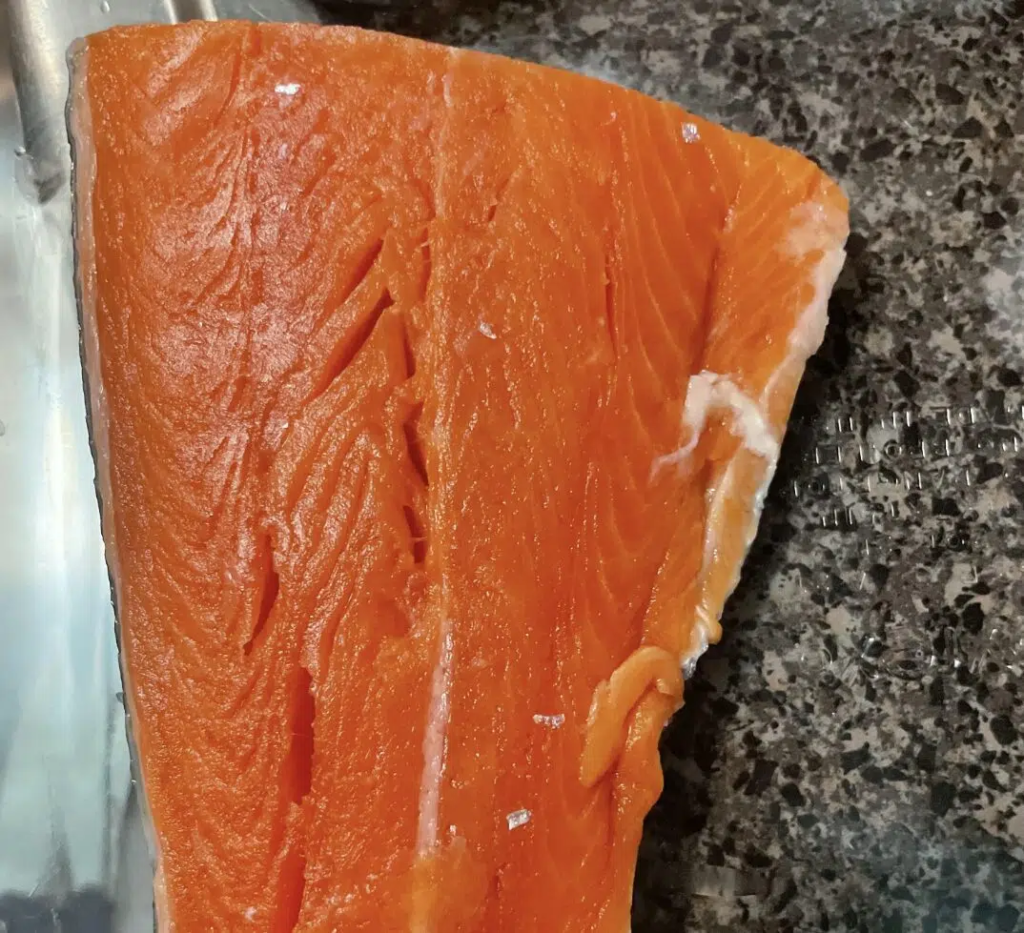
Another common culprit is freezer burn.
If salmon isn’t sealed well—especially if it’s loosely wrapped or has air pockets—it can lose moisture in the freezer. That dehydration can cause discoloration, which may look white, grayish, or even yellow in spots.
Freezer burn is annoying (and can dry out the texture), but it’s often not dangerous. In many cases, you can simply trim off the discolored area and cook the rest.
Sometimes Salmon Just Has Natural Color Variation
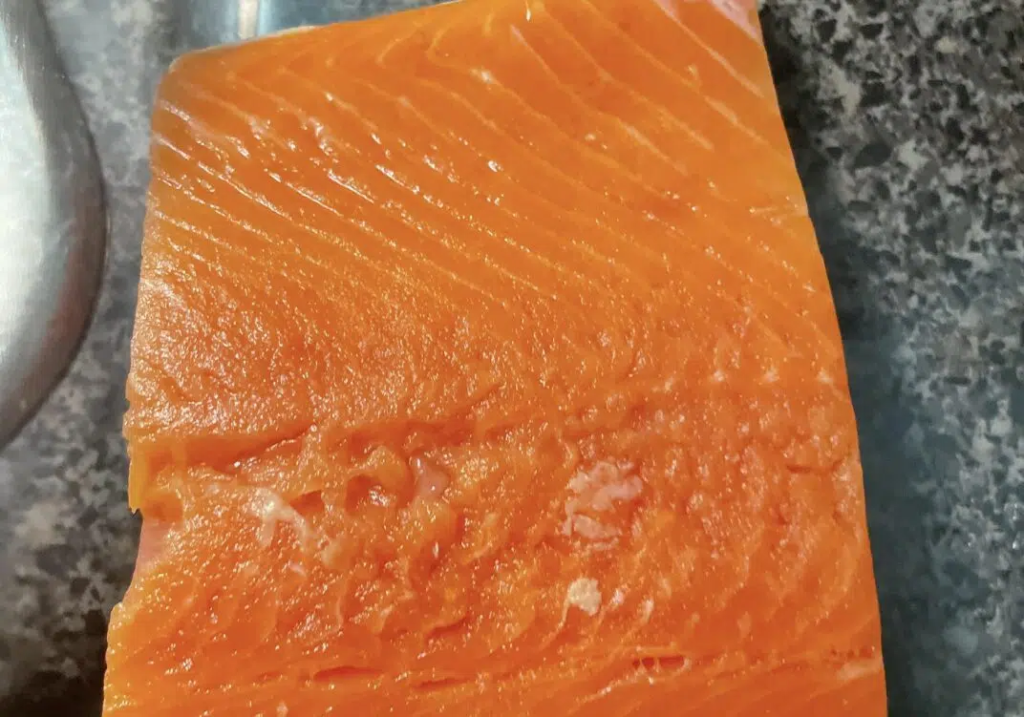
Not all yellowing is caused by storage issues. Some salmon naturally have slightly different tones in certain areas, especially around the belly. Depending on the species and diet, you might see variations that lean more golden or pale.
Wild salmon can show more variation because their diet can influence pigmentation. Farm-raised salmon often looks more uniform due to controlled feed, but even then, you can still get some differences from fillet to fillet.
So yes—it’s entirely possible the yellow tint is just a normal variation.
How to Check if It’s Still Fresh
When I had my “yellow salmon” moment, I used the same basic checks my grandma would’ve insisted on:
- Smell: Fresh salmon should smell clean and mild—more like the ocean than “fish.” If it smells sour, sharp, or strongly fishy, skip it.
- Texture: The flesh should feel firm and springy, not slimy or mushy.
- Look: Discoloration alone isn’t a deal-breaker, but if you see widespread dullness, weird patches, or anything that looks questionable alongside bad smell/texture, it’s safer to toss it.
To be extra cautious, I trimmed off the yellow area and cooked the rest with lemon and dill. It turned out delicious—nobody at the table could tell anything had been “wrong.”
How to Prevent Yellowing Next Time
If you want to avoid the yellow tint becoming a recurring surprise, a few small storage habits help a lot:
Seal it tightly
Airtight packaging makes a huge difference. Vacuum-sealing is ideal, but if you don’t have one, wrap the salmon snugly in plastic wrap and then place it inside a freezer bag with as much air removed as possible.
Label and date it
Write the freeze date on the bag so you’re not guessing later. For best quality, frozen fish is typically at its best when used within a few months.
Rotate your freezer stock
Use the older fillets first—simple “first in, first out” freezer logic.
The Bottom Line
If you thaw salmon and notice a yellowish tint, don’t panic.
In many cases, it’s just oxidized fat, freezer burn, or natural variation. Do a quick smell and texture check, trim the discolored area if you want to, and cook as usual.
Chances are, your salmon is still perfectly fine—just showing a little “freezer life.”
And if you’ve ever wondered about the other common salmon mystery—the white stuff that sometimes leaks out while cooking—you’re not alone. That one has a surprisingly simple explanation too.

