
A few years ago, while helping a friend renovate his charming-but-crumbling 1920s apartment, we stumbled onto something unexpected. We were tearing into the kitchen—creaky cabinets, reclaimed floorboards, questionable insulation—when part of a wall came down and revealed a small door. Not big enough for storage. Definitely not decorative. Just… there. I jokingly called it “the cheese portal,” because honestly, what else could it be?
Turns out, it wasn’t a joke at all. That little door was part of a cold box kitchen—a forgotten piece of home design from before refrigerators were standard. And once you understand how it worked, it’s kind of brilliant.
Cold Box Kitchen: The Original Natural Refrigerator
Back in the early 1900s and into the 1920s, refrigerators weren’t common in most homes. Iceboxes existed, but they were messy, required ice deliveries, and needed constant draining. So homeowners got creative.
A cold box was a small, insulated compartment built into an exterior kitchen wall. You opened the inside door, placed items like milk, butter, eggs, or leftovers inside, and the outdoor air kept everything cool. In colder months, it worked incredibly well. No electricity. No ice. Just smart design using nature to do the work.
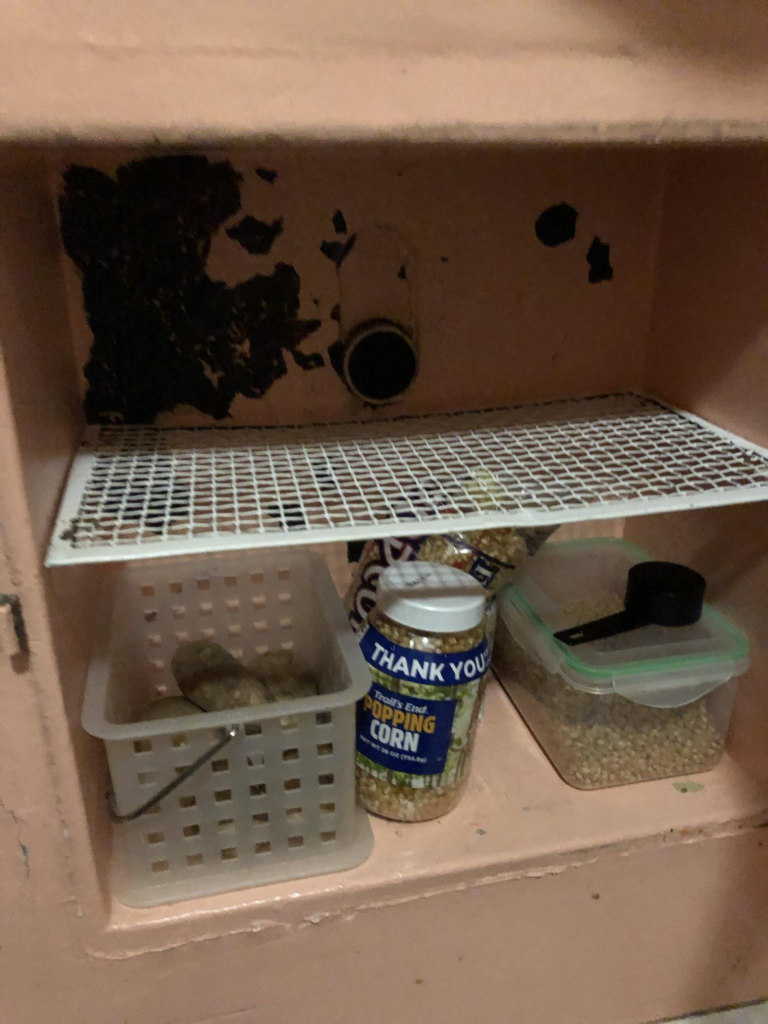
In winter climates especially, this setup was a game changer. Summer? Not so much—unless you lived somewhere consistently cool. But for much of the year, it was a simple, effective food storage solution.
Life Before Everything Needed a Plug
Imagine cooking a full meal in the 1920s. You roast a chicken. There’s no fridge humming in the corner. No freezer drawer. What do you do with the leftovers? You slide them into the cold box.
No remembering to order ice. No puddles leaking onto the floor. No heavy blocks to haul inside. The cold box just quietly worked. It was a low-maintenance, passive refrigerator that only failed if you forgot to latch it properly—and occasionally invited a curious raccoon.
Some apartment buildings even built these into upper floors, complete with exterior vents, so tenants could keep food cool without constant trips for ice. That’s low-tech efficiency at its finest.
Was It Better Than an Icebox?
That depended on who you asked. Iceboxes got the job done, but they came with hassles—deliveries, melting ice, and constant upkeep. Cold boxes, on the other hand, were silent, clean, and energy-free.
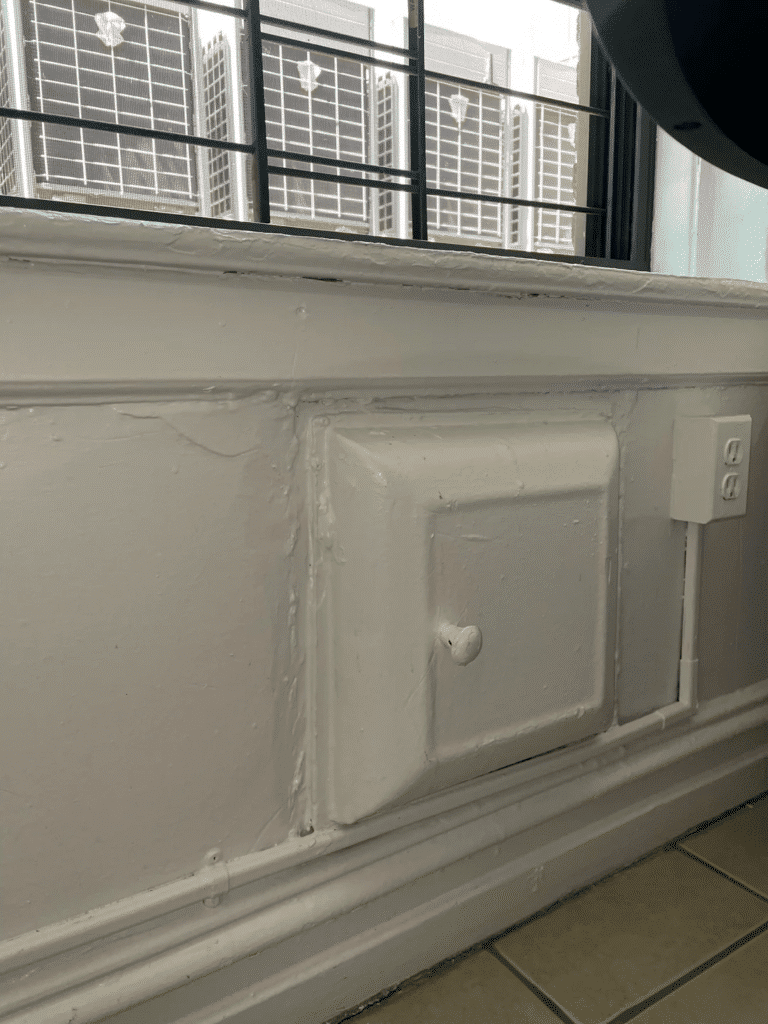
There was no buzzing motor. No flashing lights. No midnight fridge glow blinding you during a snack run. Just cool air flowing through a hidden door in the wall. It didn’t even require extra floor space. It was simply part of the house, doing its job quietly.
Some Are Still Hiding Today
Here’s the truly fascinating part: many of these cold boxes still exist. They’ve been painted over, drywalled shut, or repurposed into odd little cabinets. Some homeowners don’t even realize what they have.
If you live in—or grew up visiting—an older home, it might be worth a closer look at the kitchen walls. That tiny door or awkward cupboard could be a leftover from a time when refrigeration didn’t require electricity.
Some people who rediscover theirs turn them into wine storage, snack hideaways, or simply leave them intact as a conversation starter. “Oh that? That’s our original 1920s fridge. Works great in winter.”
One Last Thought Before You Reheat Dinner
No one’s suggesting we ditch modern refrigerators and start stuffing cheese into wall compartments again. But there’s something genuinely impressive about how people once solved everyday problems without smart appliances, apps, or power cords.
The cold box kitchen was clever, quiet, and efficient. Just a small door, some insulation, and fresh outdoor air. And somehow, it worked.
So the next time your fridge beeps because the door was open half a second too long, remember this: there was a time when a hidden wall compartment and a cold breeze were all families needed—and it worked just fine.