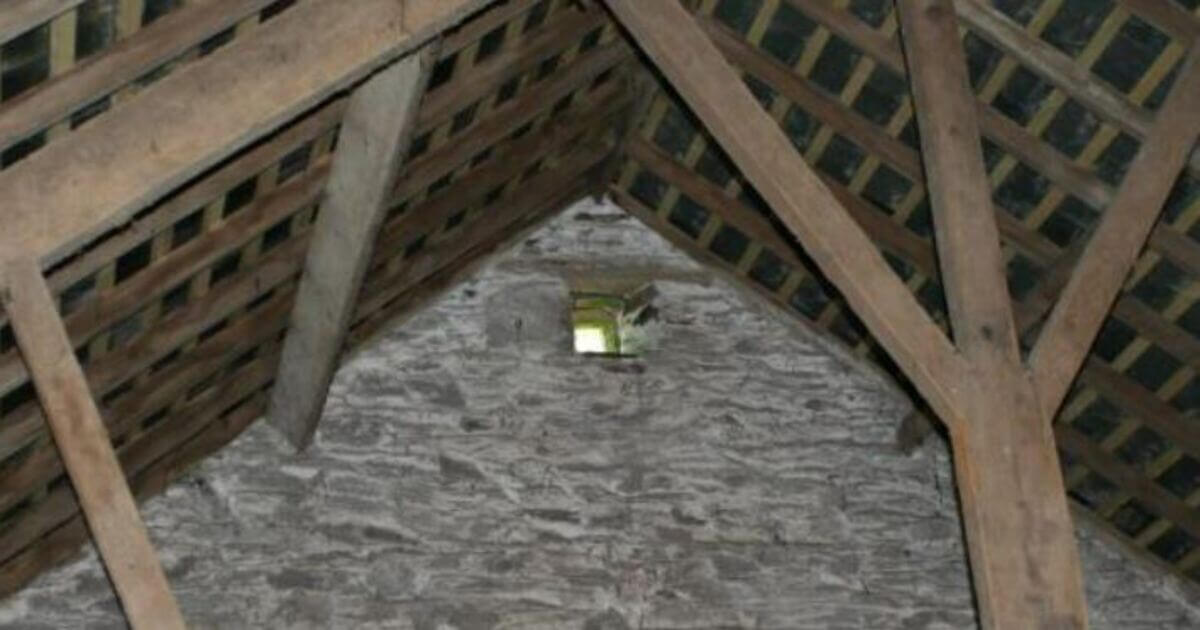
Let me take you back to a time before drones, trendy “organic” labels, and expensive pest control services — when farmers worked with nature instead of fighting against it.
One of the smartest and most fascinating examples? Using barn owl nest boxes in old barns. It’s a simple idea rooted in real-world farm wisdom — and it’s surprisingly effective.
Owls: Nature’s Original Pest Control
If a barn stored grain, it almost always attracted mice — lots of them. Instead of relying on poison or traps, many farmers turned to a natural solution: inviting barn owls to move in.
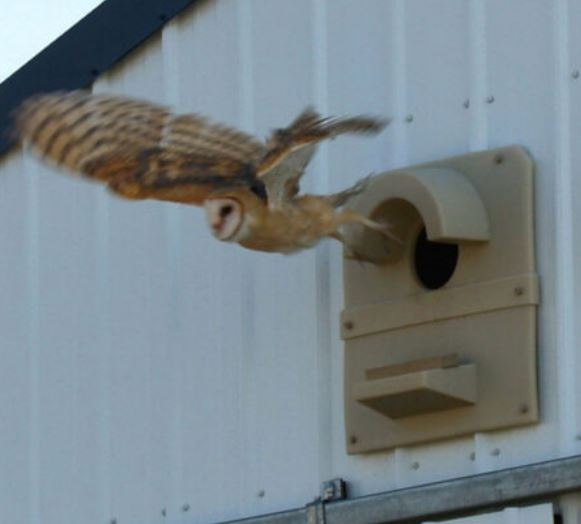
Barn owls are silent, sharp-eyed hunters capable of eating over 1,000 rodents per year. Farmers quickly realized their value and started building nest boxes to encourage owls to stay nearby — turning a wild bird into a powerful, natural pest control system.
Building the Nest Boxes: Simple, Practical, and Effective
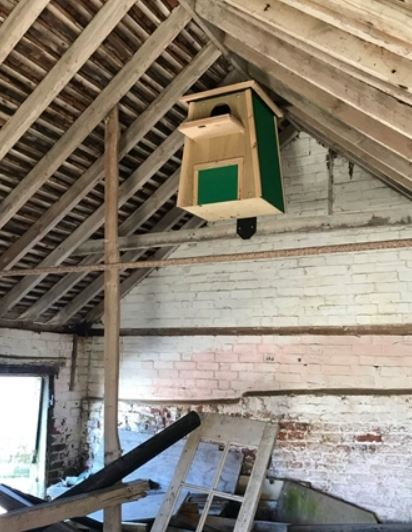
I remember visiting my uncle’s farm and spotting a large wooden box tucked high in the loft — like a birdhouse on steroids. He told me his father had built it from old apple crates. “Those owls earn their keep,” he said proudly.
These boxes weren’t fancy. They were made from whatever materials were available — scrap wood, straw, even burlap. Ventilation, drainage, and insulation were handled in practical ways. Everything served a purpose. No decoration. Just results.
Farmers didn’t need complicated plans. They relied on experience, intuition, and a few basic tools — understanding both the land and the wildlife around them.
Smart Placement: High, Hidden, and Safe
Most nest boxes were installed in lofts or rafters — high, dark, and quiet areas that barn owls naturally prefer. I once climbed up to clean one and startled an owl still nesting — a moment I’ll never forget. It was a memorable lesson in respecting these birds and their space.
The boxes blended in so well they often looked like they’d always been part of the barn. Quiet. Unobtrusive. Perfect.
A Farming Tradition Worth Preserving
This wasn’t just a passing trend. Farmers shared the idea, taught their children, and before long, barn owl boxes became a common sight.
They didn’t call it conservation back then — they simply used what worked. It was practical, sustainable, and deeply rooted in common sense.
Why This Natural Method Is Making a Comeback
Today, this old farming practice is returning as more people look for eco-friendly, low-cost, and effective pest control solutions. Nest boxes are being added back to barns — because the method still works just as well as it did generations ago.
Next time you step into an old wooden barn, take a look upward. You might spot a dusty wooden box tucked into the rafters — and if you’re lucky, hear the eerie nighttime call of a barn owl settling in.
If you have the space, consider installing a nest box yourself. You could gain a feathered ally — and significantly cut down on rodents — all by working with nature instead of against it.

