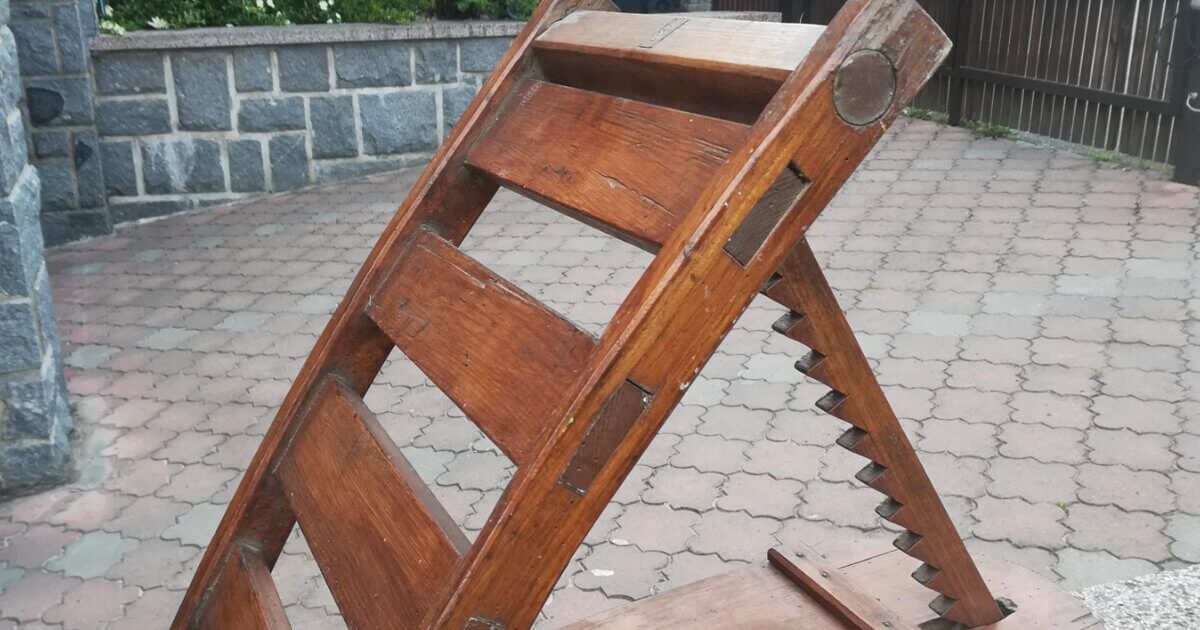
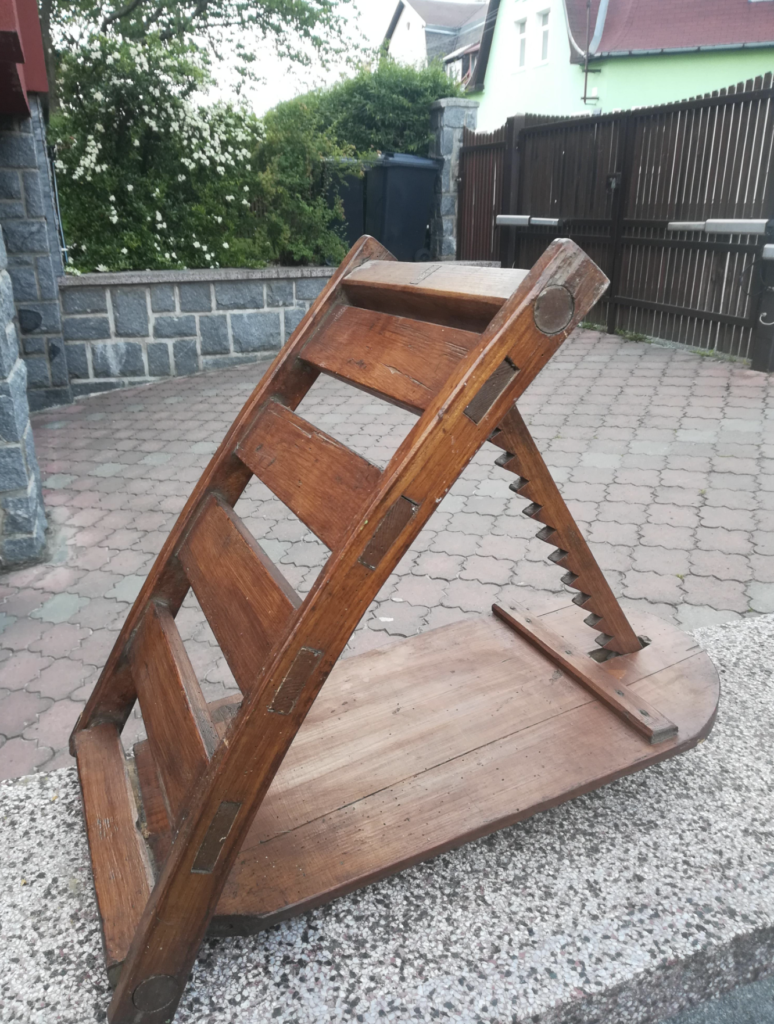
Imagine walking through the basement of an old house and spotting a solid wooden device tucked into a quiet corner. Its polished surfaces and simple mechanical design suggest it was once used regularly, perhaps even daily. At first, it may look mysterious. But objects like this often have a very practical past.
In many cases, this kind of wooden artifact is an old cheese press—a humble but essential tool that played a major role in traditional home food production.
A Tool Built for a Purpose
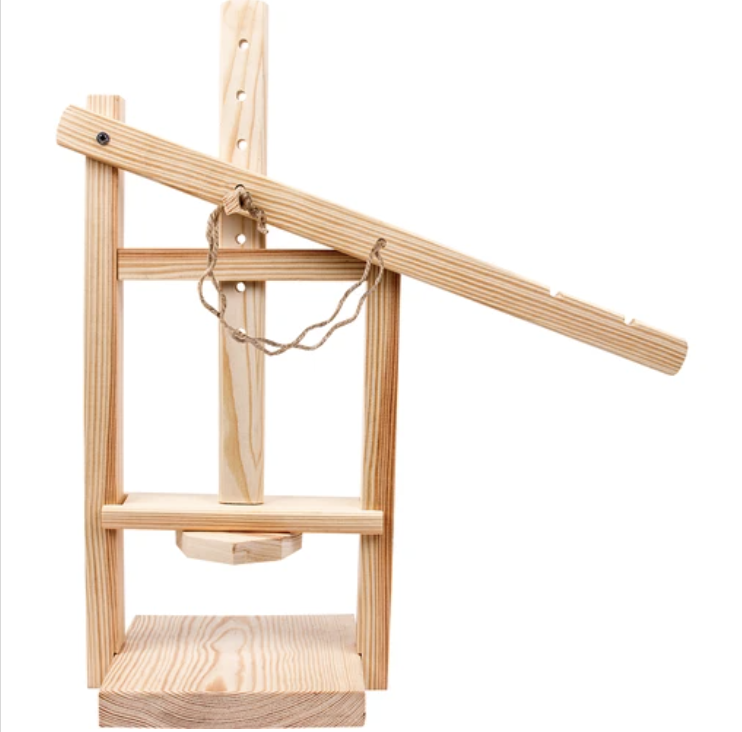
Before modern refrigeration and mass-produced dairy products, many families made their own cheese at home. A cheese press was used to shape and firm freshly formed curds into a compact, stable block.
The process worked by applying steady pressure to the curds. This pressure squeezed out excess whey, allowing the cheese to become denser and develop the texture needed for aging or storage. Depending on the design, presses could be adjusted to create cheeses of different sizes and firmness.
Though simple in appearance, the tool was carefully designed to perform a specific and important job.
Crafting Cheese the Traditional Way
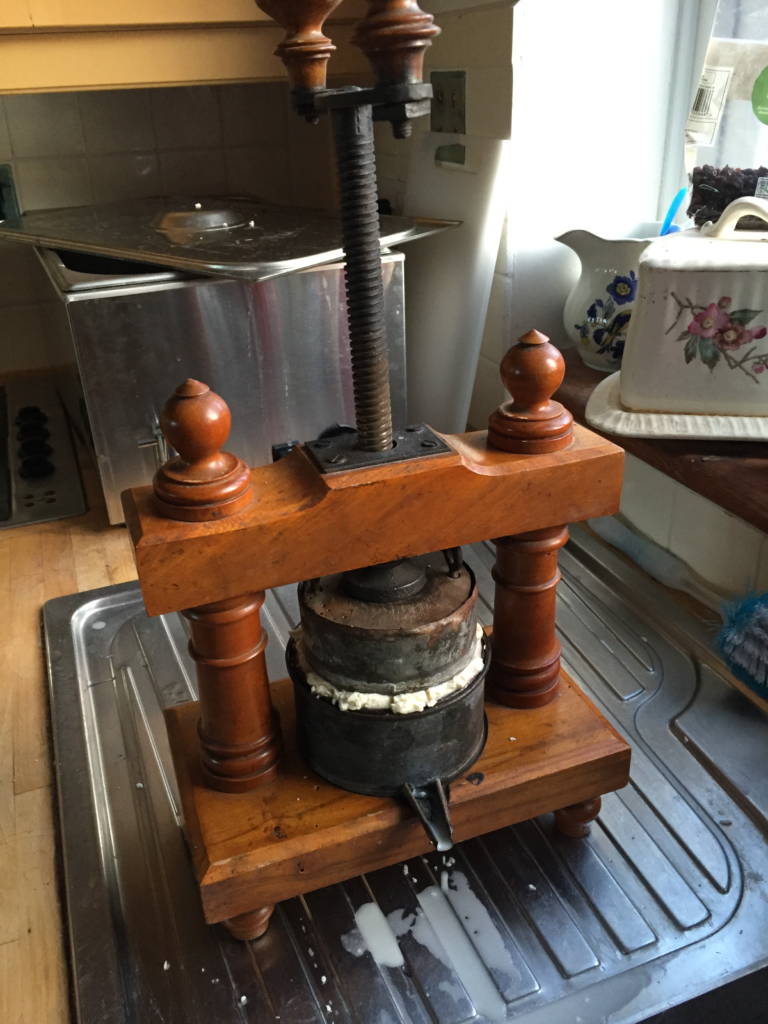
Making cheese was not a quick or casual task. It required patience, knowledge, and physical effort. After curds were formed from milk, they needed to be placed into molds and pressed gradually over several hours.
Weights or mechanical levers were often used to control the pressure. Too little pressure meant the cheese would not hold together properly. Too much pressure could ruin the texture. Achieving the right balance was part of the skill passed down through generations.
These presses became closely tied to family recipes and regional traditions, shaping cheeses that reflected local tastes and techniques.
A Connection to Self-Sufficient Living
Finding an old cheese press today can feel like discovering a piece of a slower, more hands-on way of life. In earlier times, households often depended on their own labor and ingenuity to produce food. Tools like this supported a culture of self-sufficiency, where people were deeply involved in the process of turning raw ingredients into finished meals.
Cheese making, in particular, was both practical and meaningful. It allowed families to preserve milk, create nutritious food, and take pride in something made entirely by hand.
A Quiet Reminder of the Past
Even when no longer in use, a wooden cheese press still carries a strong sense of history. Its worn surfaces and sturdy construction reflect years of work, experimentation, and everyday routine.
Objects like this remind us that cooking and food preparation were once slower, more deliberate activities. They highlight the effort that went into building household independence and culinary tradition.
Today, such artifacts are valued not only as antiques but also as symbols of craftsmanship and resourcefulness. Whether displayed, collected, or even restored for use, they offer a tangible link to the past.
Sometimes, the simplest tools tell the richest stories—and an old wooden cheese press is a perfect example.