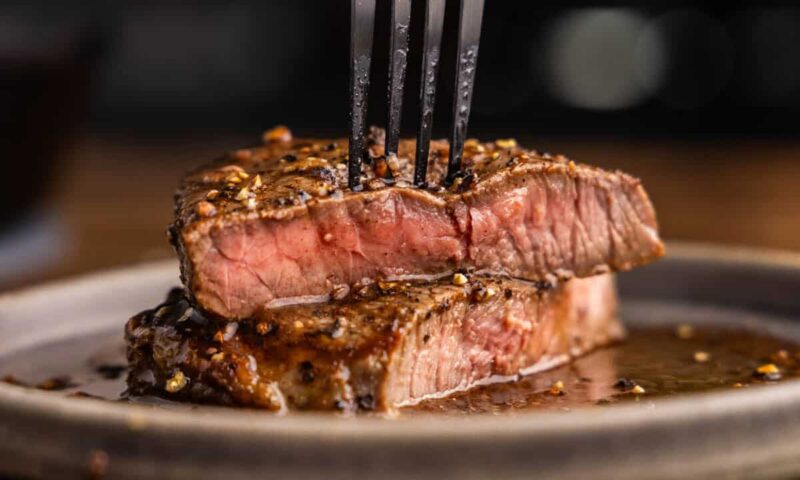
There’s something instantly tempting about a steak cooked just right. That rich aroma, the sizzling sound, and the juicy first bite have made steak a timeless favorite around the world. Its appeal isn’t accidental—it comes from choosing quality meat, using the right cooking methods, and understanding how flavor develops. Whether you’re a professional cook or making dinner at home, learning how steak works can completely transform your meals.In this article, we’ll break down what makes steak so satisfying, from its mouthwatering appearance to the cooking techniques that bring out maximum flavor and tenderness.
Visual Appeal: Why Steak Is So Eye-Catching
Before you ever take a bite, steak wins you over with how it looks. A beautifully cooked steak isn’t just food—it’s an experience.
First Impressions: The Power of a Perfect Sear
That deep brown crust on a steak isn’t just for show. It’s the result of the Maillard reaction, a process that happens when proteins and sugars hit high heat. This reaction creates bold color and layers of savory flavor that make steak taste rich and complex.The contrast between a crisp outer crust and a soft, juicy center instantly signals quality. It’s the kind of visual cue that tells your brain something delicious is coming.
Marbling: The Real Secret Behind Juicy Steak
Those thin white lines of fat running through a steak—known as marbling—are what separate an average cut from a great one. As the steak cooks, that fat melts into the meat, delivering moisture, tenderness, and a buttery taste.Cuts like ribeye and wagyu are famous for heavy marbling, which is why they’re often considered premium options. That glossy, juicy look before the first bite isn’t just appealing—it’s a preview of the flavor waiting inside.
Cooking Techniques That Unlock Steakhouse Flavor
Great steak isn’t about luck. It’s about using proven techniques that enhance taste and texture.
Searing: Where Flavor Begins
Searing is the foundation of a flavorful steak. Exposing the meat to intense heat for a short time seals in juices and creates that crave-worthy crust. This step amplifies the savory, umami taste that steak lovers crave.For best results, use a very hot grill, skillet, or cast-iron pan. Make sure the steak surface is dry, then cook it for about 2–3 minutes per side over high heat to develop that signature golden-brown exterior.
Why Letting Steak Rest Matters
Once the steak comes off the heat, patience pays off. Letting it rest allows the juices to spread evenly throughout the meat instead of spilling out onto the plate when sliced.Most steaks need about 5–10 minutes of resting time, depending on thickness. This simple step dramatically improves juiciness and overall texture.
Cooking Steak to the Perfect Doneness
Getting steak cooked exactly how you like it comes down to temperature control. Using a meat thermometer removes the guesswork and ensures consistent results.Here’s a quick guide to internal temperatures:
Medium-rare: 130–135°F (warm red center)
Medium: 140–145°F (pink center)
Medium-well: 150–155°F (slightly pink center)
Well-done: 160°F and above (no pink)
Pull the steak from heat slightly before it reaches your target temperature, as it will continue cooking while resting.
Final Thoughts: Why Steak Never Loses Its Appeal
Steak remains a favorite for good reason. Its visual appeal, bold flavor, and satisfying texture make it one of the most rewarding dishes to prepare and enjoy. By understanding marbling, mastering the sear, resting properly, and cooking to the right temperature, you can recreate restaurant-quality steak right at home.When done right, steak isn’t just dinner—it’s an experience worth savoring.

