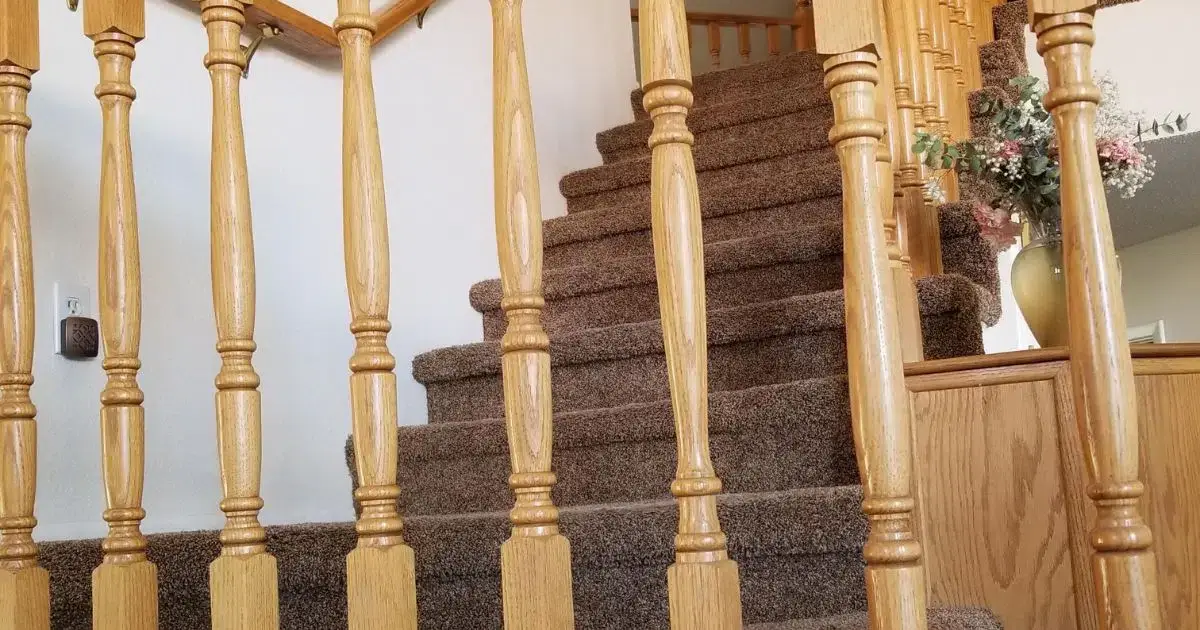
If you have ever walked up or down a staircase in an older home, chances are you did not pay much attention to the individual spindles along the railing. Most of us simply see them as part of the structure — decorative, functional, and easy to overlook.
But in many traditional homes, one baluster may be installed upside down on purpose. And surprisingly, this small detail can carry a deeper meaning rooted in craftsmanship, symbolism, and even superstition.
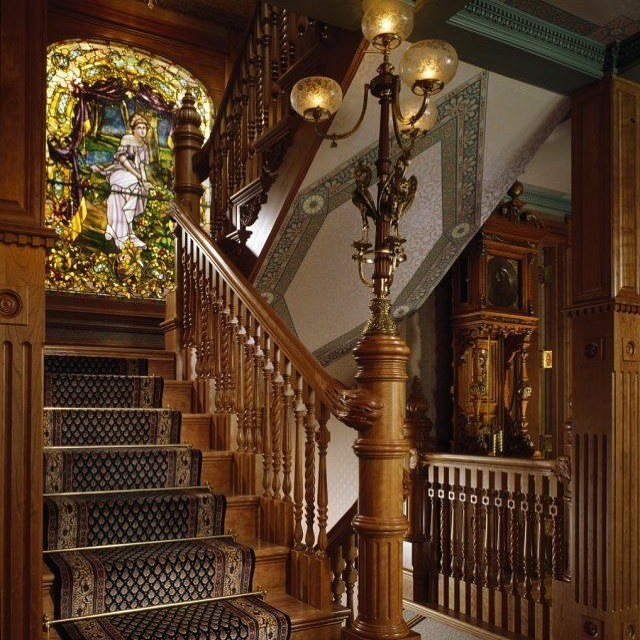
More Than Just a Construction Mistake
At first glance, an upside-down baluster might look like an obvious error. It is easy to assume that a builder simply made a mistake and never corrected it. However, in many cases, this unusual detail was intentional.
For generations, some carpenters and builders followed a tradition of including a deliberate flaw in their work. The idea behind this practice was simple: only the divine is perfect. By leaving one visible imperfection, craftsmen acknowledged human limitations and showed humility in their creations.
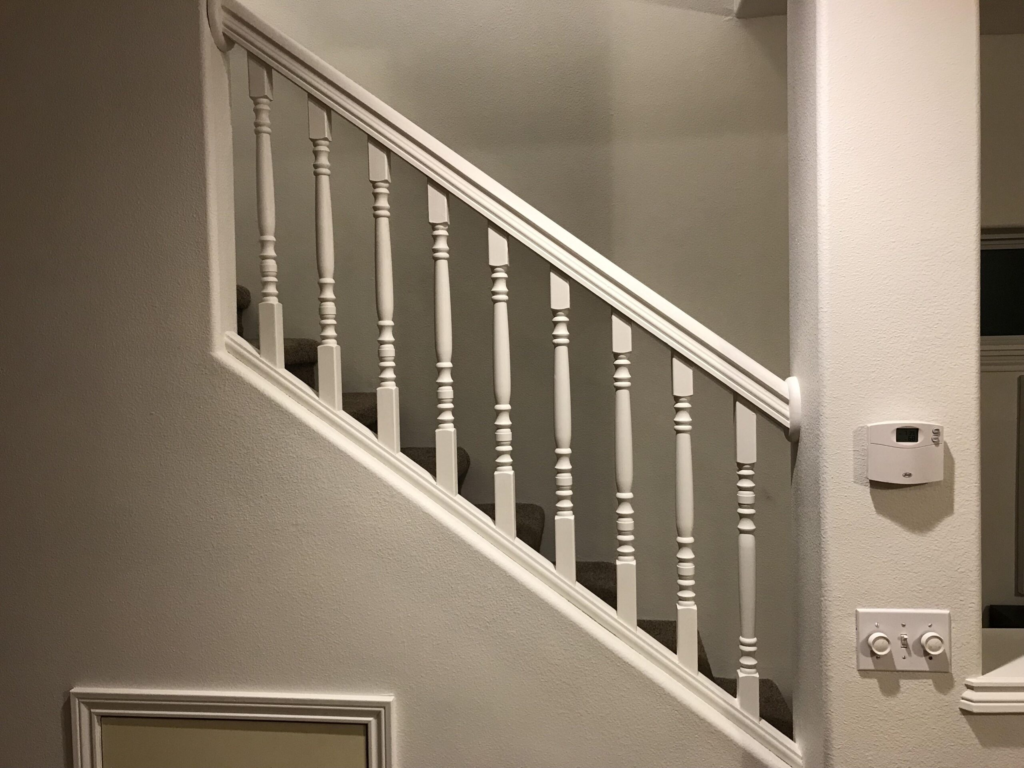
In this way, the reversed baluster became a quiet symbol — a reminder that no handmade structure, no matter how grand, could ever be flawless.
A Touch of Old Superstition
Beyond symbolism, there is also a more mysterious explanation tied to folklore. According to some old beliefs, placing a single baluster upside down could confuse or deter evil spirits. In particular, there was a superstition that this detail might prevent negative forces from traveling up the staircase or interfering with the household.
While these ideas may seem unusual today, they reflect a time when architecture and daily life were often influenced by spiritual beliefs and traditions passed down through generations.
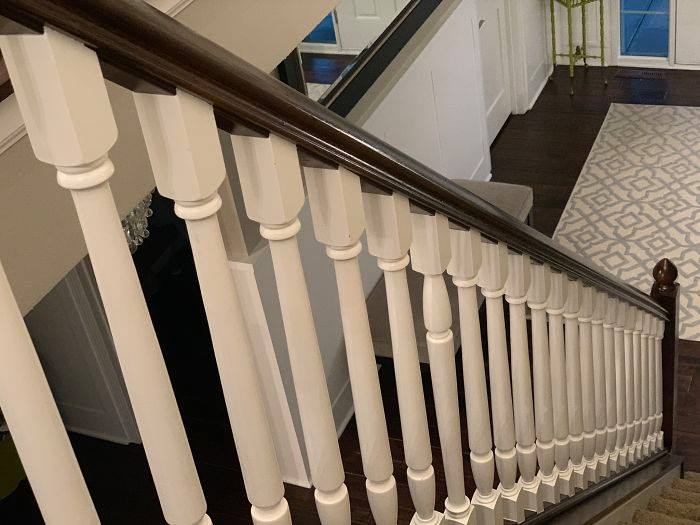
Even if people did not fully understand the origins, the custom sometimes continued simply because it had “always been done that way.”
A Small Detail With Historical Charm
Not every staircase includes this feature, and modern homes rarely follow the tradition. Still, in historic houses and older multi-story homes, spotting an upside-down baluster can feel like discovering a hidden message from the past.
It adds character and invites curiosity about the people who built the home — their values, their craftsmanship, and the beliefs that shaped their work.
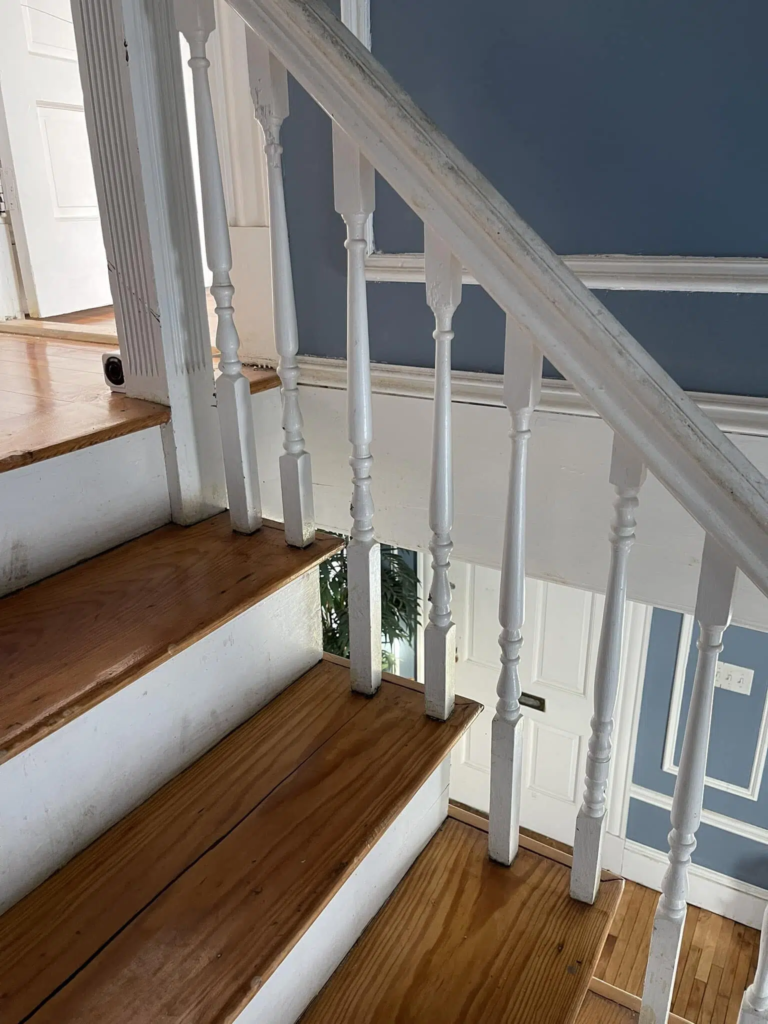
Sometimes the smallest architectural details tell the most interesting stories.
Why These Traditions Still Fascinate Us
Today, homeowners and history lovers alike are often drawn to unique features like this because they offer a glimpse into earlier ways of thinking. They remind us that buildings were not always just about efficiency or appearance. They also carried meaning, intention, and personality.
An upside-down baluster might seem like a minor quirk, but it reflects a blend of humility, superstition, and tradition that once played a real role in construction.
So the next time you find yourself in an older home, take a closer look at the staircase. You might just spot that subtle, symbolic imperfection — and with it, a quiet piece of history hidden in plain sight.