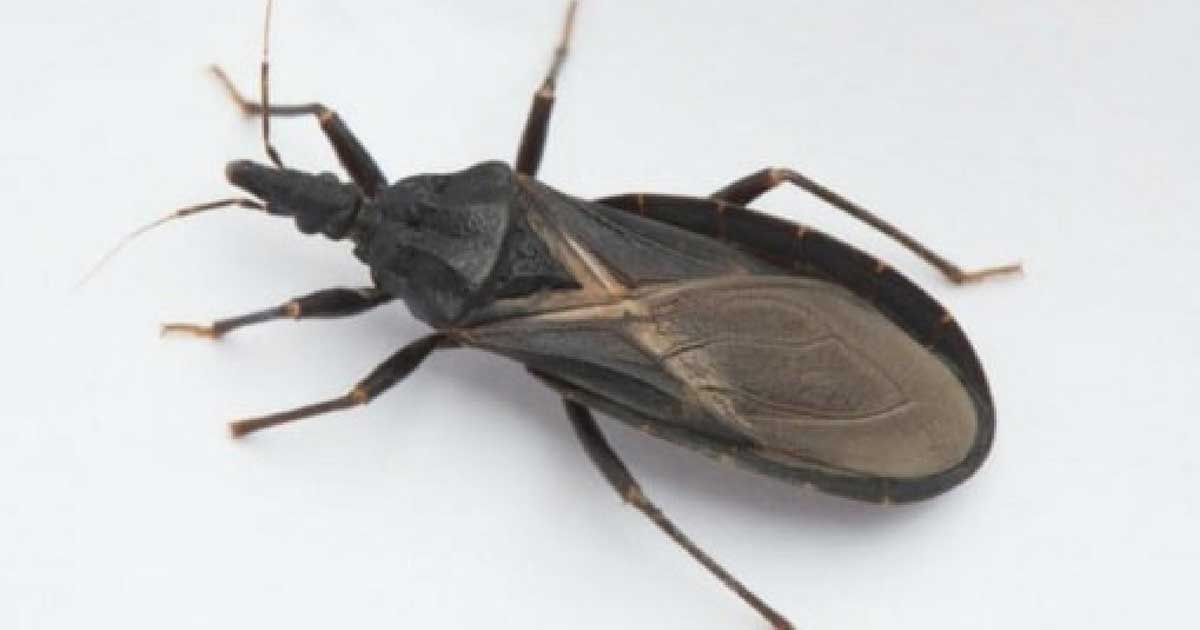
Summer brings plenty of outdoor fun, but it also comes with its share of unwanted pests. Mosquitoes, ticks, and other biting insects are already bad enough, and then there’s the assassin bug. Many people have never heard of it, but it’s an insect worth knowing about because its bite can sometimes lead to serious health concerns.
Learning what assassin bugs are and what to do after a bite can help you protect yourself and your family.
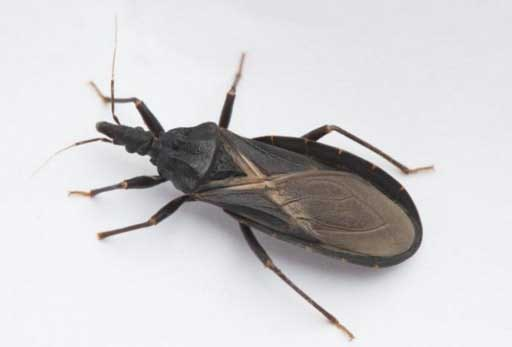
Assassin bugs, sometimes called kissing bugs, feed on the blood of humans and animals. What makes them especially concerning is that after biting, they may leave behind feces near the bite area. If parasites from that waste enter the body, they can sometimes cause Chagas disease.
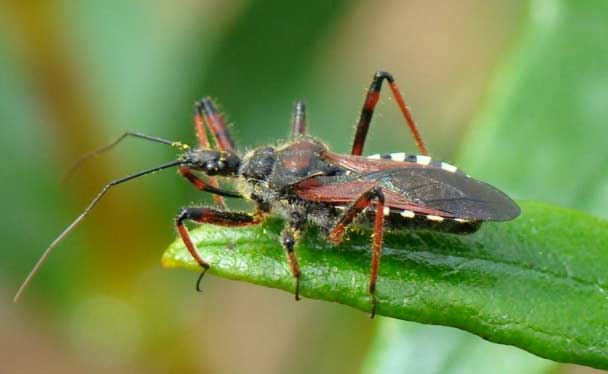
This disease can develop gradually, and symptoms may change over time. In severe cases, it can become life-threatening, which is why it’s important to take any suspected bite seriously.
Assassin bugs are found in much of the United States, although they are more commonly reported in southern areas. They tend to gather around gardens, porches, and piles of debris, and they can sometimes get inside homes as well. Keeping the area around your home clean and free of clutter, especially plant debris, may help make your property less attractive to them.
Some possible symptoms linked to Chagas disease include:
- Headache
- Fever
- Rash
- Unusual fatigue
- Vomiting
However, many people who become infected may not notice symptoms right away, or may not have any obvious symptoms at all. That’s part of what makes it dangerous. Even without early warning signs, the infection can continue developing and may eventually affect the heart.
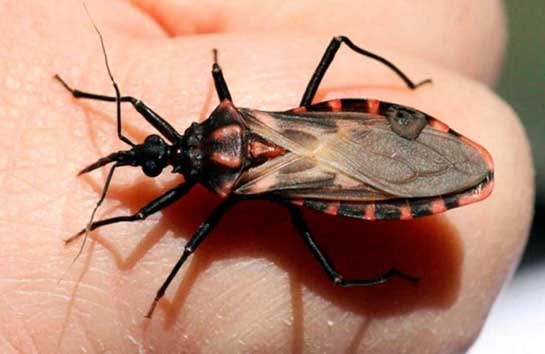
If you think you may have been bitten by an assassin bug, the safest step is to contact a doctor as soon as possible. A medical professional can evaluate the situation and may order blood testing to check for infection. Early detection is important because treatment is much easier when the disease is caught sooner rather than later.
The presence of assassin bugs does not mean you need to avoid going outside. It simply means it’s smart to stay aware of your surroundings and know how to respond if you come into contact with one. With the right information, you can take practical steps to protect yourself, your loved ones, and your pets.