Aluminum foil is one of the most useful items in any kitchen. Beyond wrapping leftovers, it’s used for baking, grilling, roasting, freezing food, and even quick cleanups. It’s simple, affordable, and incredibly versatile.
Yet one question has puzzled home cooks for years: should you cook with the shiny side facing in or out? And could using the wrong side actually ruin your food?
The answer might surprise you.
What Side Should We Use?
The truth is, there is no “right” or “wrong” side of regular aluminum foil when it comes to cooking. Using the shiny side or the dull side will not affect how your food cooks, heats, or bakes. Both sides perform exactly the same, so this is not one of those kitchen mistakes that can mess up your meal.
In other words, feel free to use whichever side happens to be facing out. Your food won’t know the difference.
So if both sides work the same, why does aluminum foil even have a shiny side and a dull side to begin with?
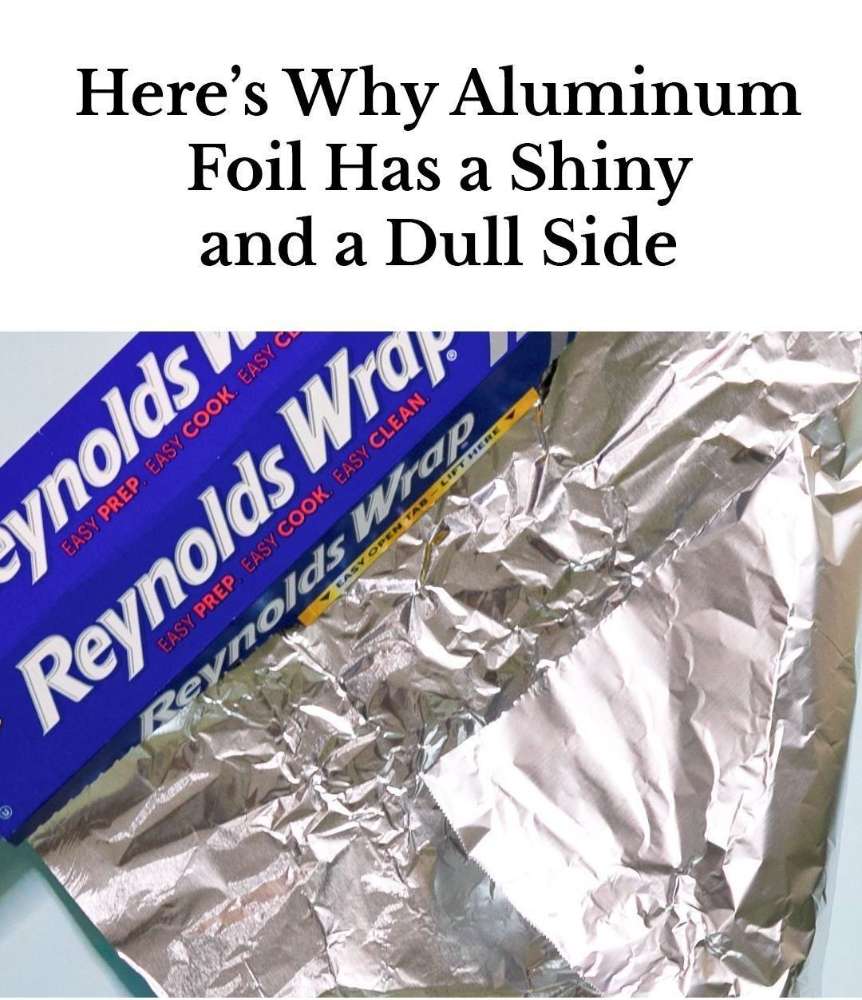
According to Reynolds Kitchen, the difference comes from how aluminum foil is made. During a manufacturing process called milling, sheets of aluminum are stretched and thinned using heat and tension. To prevent tearing, two layers of foil are rolled together at the same time.
The side that touches the other sheet becomes the dull side, while the side exposed to the rollers becomes shiny. Reynolds explains that the performance of the foil does not change based on which side you use.
Are There Any Exceptions?
Yes, there is one important exception to remember. If you’re using non-stick aluminum foil, the sides do matter. The non-stick coating is applied to only one side, which is typically the dull side.
To avoid food sticking, always place your food on the side labeled “non-stick.” Most brands clearly mark this on the package or directly on the foil to make it easy to remember.
Aside from non-stick foil, regular aluminum foil works the same on both sides, so there’s no need to overthink it the next time you’re cooking.