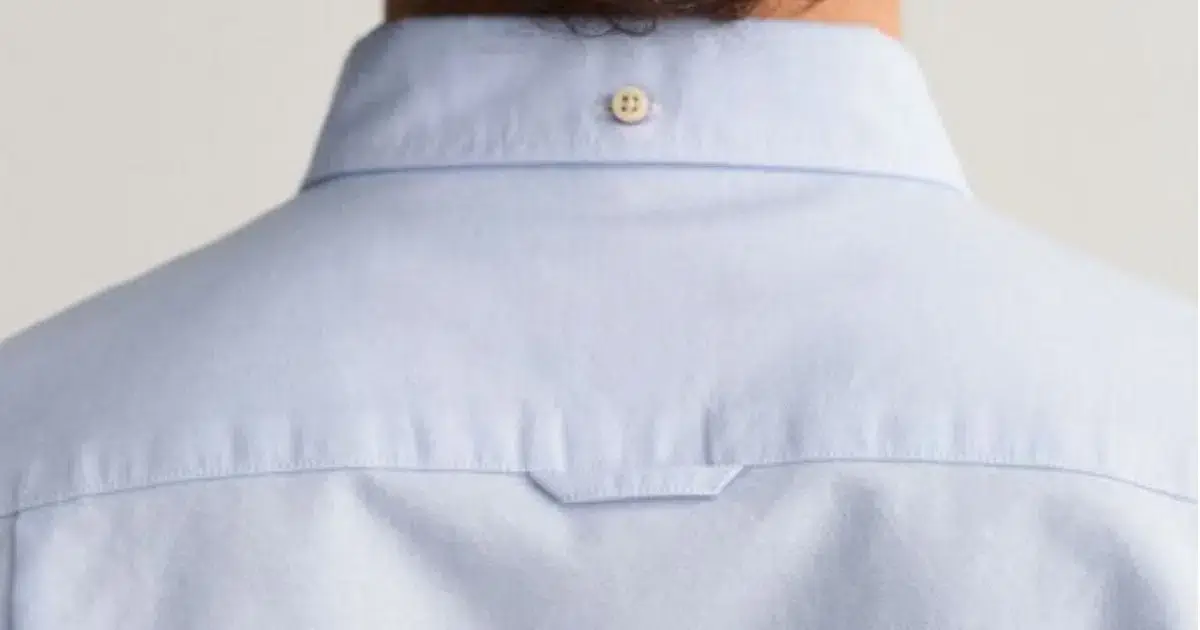
You know that tiny fabric loop on the back of some button-down shirts, right under the collar? It’s so subtle that most people barely notice it — I didn’t for years. I even asked my husband about it once because a few of his shirts had one, and he had absolutely no idea what it was for. Honestly, I assumed it was some random factory leftover or meaningless design detail. Turns out, that tiny loop actually has a surprisingly cool history.
Let’s rewind to the early 1900s, when that little loop wasn’t just decorative — it was genuinely practical. Sailors in the U.S. Navy lived in tight quarters on ships, with limited storage and no closets to speak of. Their uniforms needed to be easy to store, wrinkle-free, and ready to wear at a moment’s notice. That’s where the loop came in.
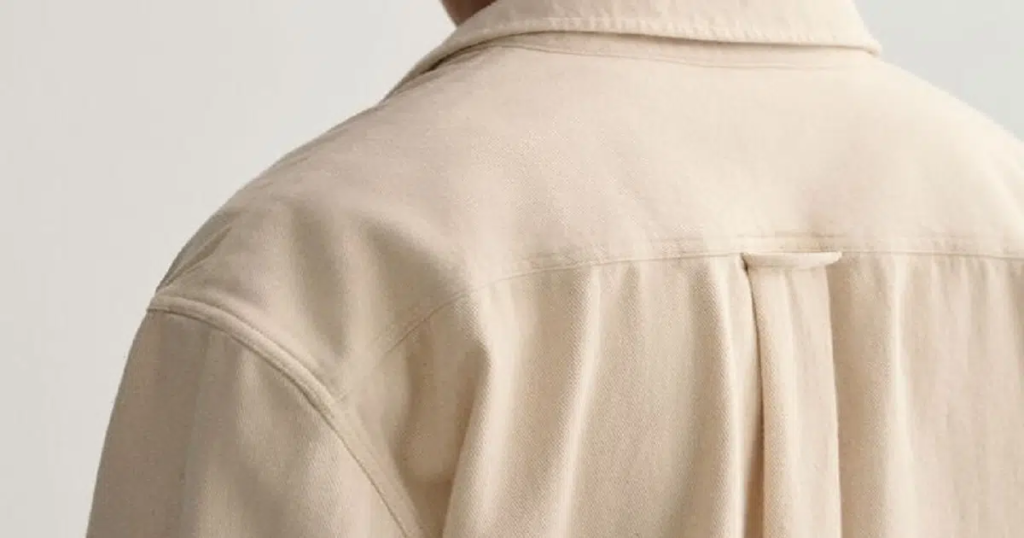
The feature is called a “locker loop” (sometimes referred to as a “backstay loop”). It allowed sailors to hang their shirts on simple hooks instead of hangers or shelves. Just a peg, a hook, and that small loop of fabric. It kept shirts off the floor, organized, and presentable — a huge win when you’re trying not to look rumpled on a moving ship.
I genuinely love how smart this design was. Nothing fancy. No complicated engineering. Just a simple strip of fabric solving a real problem. In cramped, chaotic ship environments, that little loop added convenience and practicality in a big way.
How the Loop Went From Practical to Preppy
Over time, the function evolved into fashion. A few decades later, the loop migrated from Navy uniforms to Ivy League campuses. College students started wearing button-down shirts with loops — not because they needed them for hooks, but because they liked the style.
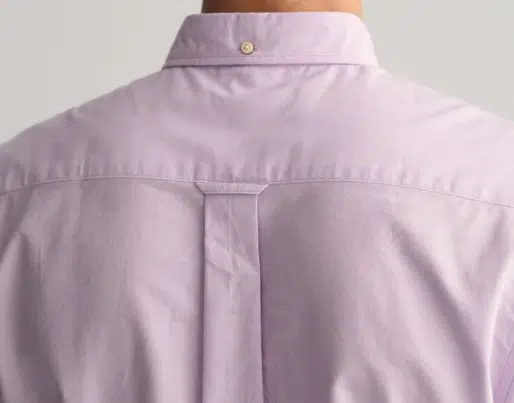
The loop became a subtle nod to classic Americana, maritime tradition, and polished collegiate fashion. It turned into a signature detail on Oxford shirts, paired with khakis, loafers, and that timeless “clean-cut” look. Eventually, designers embraced it as a decorative feature — even when it no longer served a practical purpose. The loop stuck around as a small tribute to tradition.
Why That Loop Still Makes Sense Today
Even now, the loop can still be surprisingly useful. You probably aren’t hanging shirts on locker pegs, but if you travel a lot, that tiny loop can come in handy. You can hang a shirt on a hotel bathroom hook, a door handle, or inside a garment bag to help reduce wrinkles when you don’t have a hanger nearby. It’s one of those features you don’t appreciate until you suddenly need it.
From a style perspective, brands still play with the loop — adding contrast stitching, unique fabrics, or signature colors. For menswear enthusiasts, it can even become a subtle marker of brand identity or personal taste.
A Funny Fashion Rumor From the Past
While researching this, I stumbled across an old rumor — more of an urban legend, really. Supposedly, some guys used to cut the loop off their shirt to signal that they were “taken” and not available to date. No loop meant “in a relationship.” Meanwhile, their girlfriends would wear their college pin. Sweet? Maybe. Slightly dramatic? Also yes. Probably not a modern trend — but definitely an interesting story.
So What Does That Loop Mean Today?
These days, whether your shirt has a loop usually depends on the brand and design choice. Some companies always include it, others never do. But now, if you spot that small tab on the back of a button-down, you’ll know it’s not random. It carries history — from Navy practicality to Ivy League fashion to modern design flair.
So next time you slip on a button-down and feel that little loop brushing the back of your neck, remember: it’s not just fabric. It’s a tiny piece of style history — and maybe even a useful travel hack waiting to be used.

