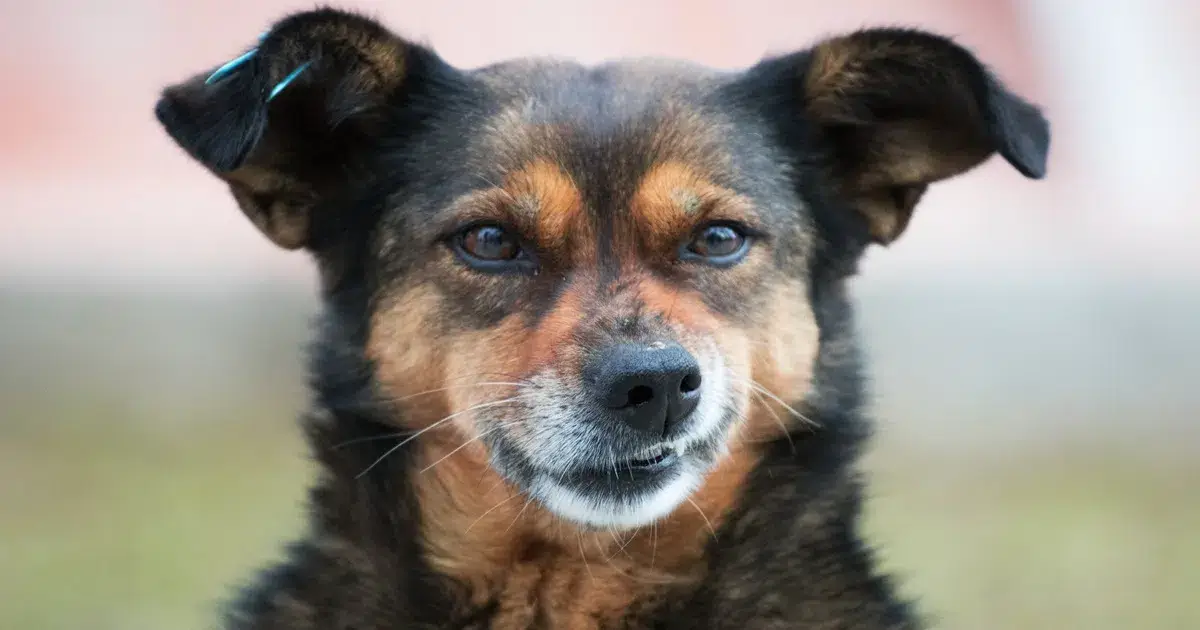
Have you ever been out on a walk with your dog and noticed something… unusual during potty time? If your pup has left behind white poop, you’re probably wondering what on earth is going on. While it can definitely look alarming at first glance, there are often simple and explainable reasons behind it.
Dietary Factors:
One of the most common causes of white-colored dog poop is diet. Some commercial dog foods and treats contain high levels of calcium or bone meal, which can result in pale or chalky-looking stool. If you’ve recently switched dog food brands or added new treats, it’s a good idea to check the ingredient list to see if that could be the reason.
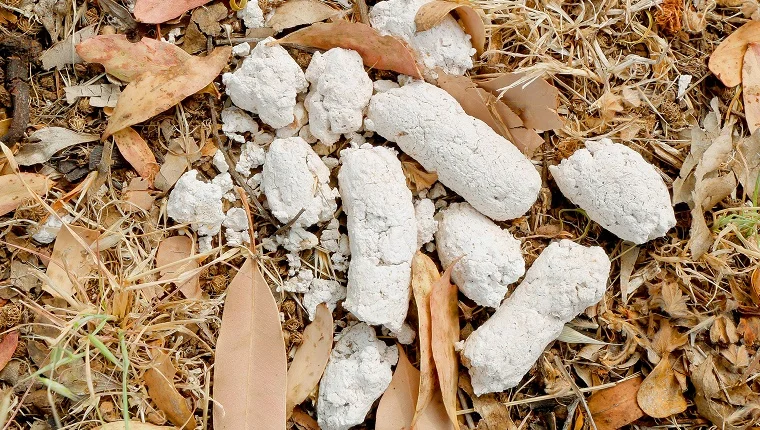
Raw Bones Consumption:
Many dogs love chewing on bones — and while raw bones can be enjoyable and sometimes beneficial, too many can affect stool color. The high calcium content in bones can cause poop to turn white. If your dog is a frequent bone chewer, try limiting bone intake or switching to safer chew alternatives to avoid digestive changes.
Parasites and Infections:
In some situations, white poop may signal an underlying health issue. Parasites or infections affecting organs like the liver or gallbladder can interfere with digestion and alter stool color. If the white poop continues and your dog also seems tired, uninterested in food, or unwell, it’s important to contact your veterinarian as soon as possible.
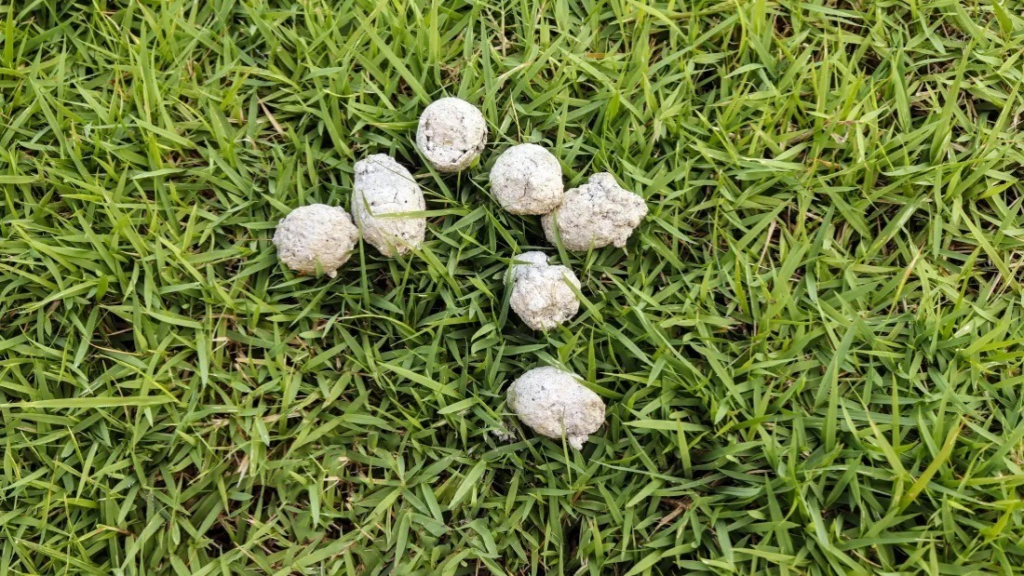
Medication Side Effects:
Certain medications — including antibiotics or antacids — can also lead to changes in stool color. These drugs can impact gut bacteria or how nutrients are absorbed, sometimes resulting in lighter-colored poop. Always let your vet know about any medications your dog is taking, and mention any unusual changes you observe.
Seeing white poop from your dog can be surprising, but it doesn’t always mean something serious. Often, adjusting diet or treats can resolve the issue. Still, if you feel unsure or notice additional symptoms, it’s always best to seek professional veterinary advice. Keeping a close eye on your pup’s health helps ensure they stay happy, comfortable, and full of tail wags.

